Interior Minister Asks Internet Users Not to Be ‘Influenced’ by ‘Hijab, No Hijab’ Campaign
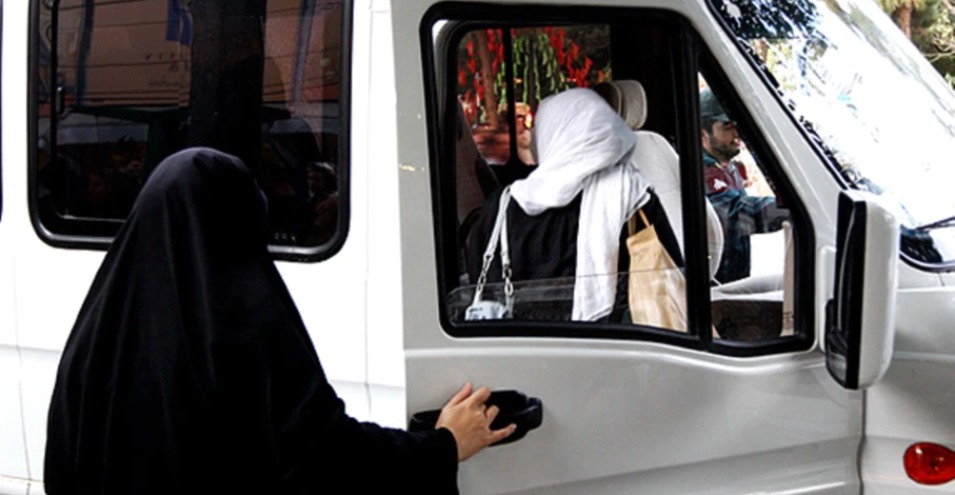
Following widespread support from cyberspace users for the hashtag “Hijab, No Hijab” and the publication of images of women in various Iranian cities expressing their opposition to mandatory hijab, Iran’s Interior Minister asked social media users not to be “influenced” by this campaign.
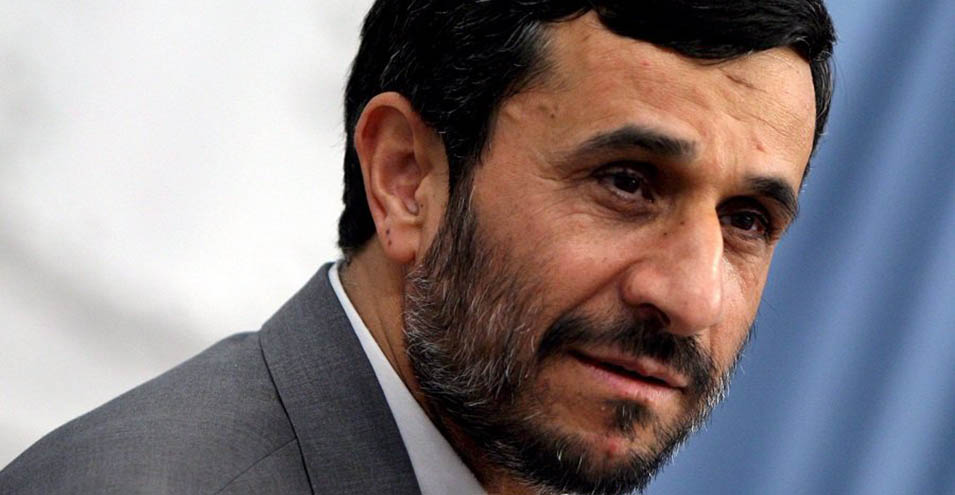
Despite the large number of videos from this campaign posted from inside Iran, Ahmad Vahidi said on Wednesday, July 13, in the margins of a cabinet meeting and in an interview with journalists that these cases “are not related to Iran and are supported from abroad.”
He added: “The fact that some people sitting abroad, who are usually connected to foreign intelligence agencies – and in some cases this has been proven – want to determine the outcome for inside the country, and especially on a matter of this importance, is not acceptable. We ask everyone who deals with cyberspace not to be influenced by these malicious insinuations.”
He provided no evidence or documents regarding his claim that Iranian opponents of mandatory hijab are “connected to foreign intelligence agencies.”
Iran’s Interior Minister also claimed that even those whose hijab he said is not “proper” in Iran believe in the system and due to negligence, do not observe the type of hijab that should be worn.
The Interior Minister also said that in his view “many” cases of improper hijab are resolved with “a compassionate reminder.”
Vahidi made these remarks about “compassionate reminders” while in recent weeks the presence of Guidance Patrol forces in the streets of various cities has intensified, and in some cases videos of violent confrontations with women and girls and their arrests are being published.
One day before this, the Interior Minister had warned in a different tone, referring to the issue of chastity and hijab, that “responsible agencies” have the duty to “confront norm-breakers and will not allow intentional collaboration with the enemy to destroy and pollute the atmosphere.”
The head of the Army’s Ideological and Political Organization on Tuesday compared “hijab” to the “first embankment” in the Islamic Republic and warned that if this embankment is broken, other embankments will also be lost.
Abbas Mohammad Hasani made these remarks simultaneously with the government’s “Chastity and Hijab” day in Iran on Tuesday, July 12. This comes as the hashtag “Hijab, No Hijab” has become widespread on Persian-language social media in recent days.
On the same day, a number of women in Tehran and various Iranian cities shared videos of themselves on social media removing their headscarves. In these videos, they dated the video production as Tuesday, July 12.
The head of the Army’s Ideological and Political Organization said: “We must convince the new generation that hijab is the most important factor in countering the enemy’s soft war.”
Abbas Mohammad Hasani stated: “Therefore, the first embankment of soft war is hijab and chastity, and on every front where the first embankment is lost, subsequent embankments are also lost one after another.”
A senior spokesman for the armed forces also on Tuesday labeled those called “improperly veiled” and especially artists and filmmakers who do not follow the mandatory hijab required by the Islamic Republic as “Satan’s soldiers.”
On July 12, official ceremonies were held in Tehran and some cities on the occasion of the government’s “Chastity and Hijab” day.
This comes as dozens of civil activists yesterday released a statement titled “No Means No, This Time No to Mandatory Hijab” stating that the government of the Islamic Republic’s designation of July 12 as “Hijab and Chastity” day is “an excuse for new targeting and further suppression of people and particularly Iranian women.”
These civil activists, referring to the restrictions that “mandatory hijab law” has created for women’s activities in Iranian society, stated in their statement that “the damage of this imposed law is not limited to the loss of the right to choose clothing. Women, because of imposed clothing such as manteau, chador, headscarf and scarf, are also in a situation of inequality compared to men in employment opportunities.”
The designation of July 12 as “Hijab and Chastity” day was made to commemorate what the Islamic Republic government calls the “uprising” of the people of Mashhad against the ban on hijab in 1935.
Source: Radio Farda