Escalating Tensions Between Tehran and Tel Aviv and Pahlavi Prince’s Response to Iranian Missile Attacks and Israel’s Retaliation
Iran’s missile attack on Israel in response to Israeli strikes against positions linked to Hezbollah in Lebanon has once again increased the risk of war escalation in the Middle East. While Tehran describes these attacks as a response to Israeli actions in Beirut, Israel has also retaliated by attacking military targets inside Iran; an occurrence that has intensified international concerns about the region’s return to a new cycle of direct confrontations.
In the latest round of military tensions between the Islamic Republic of Iran and Israel, Tehran fired several ballistic missiles toward Israel on Sunday evening. Iranian officials announced that this attack was in response to Israeli airstrikes on the southern suburbs of Beirut, which is considered one of the main bases of Lebanese Hezbollah. International media reported that this is the first direct Iranian attack on Israel since the fragile ceasefire between the two sides in April.
The Israeli military announced that this country’s defense systems intercepted the majority of the fired missiles, with some others landing in uninhabited areas. Nevertheless, warning sirens sounded in various parts of northern Israel and the state of alert increased throughout the country.
In response to these attacks, the Israeli military announced on Monday morning the execution of operations against military targets in western and central Iran. Israeli officials described this operation as a direct response to Iran’s missile attacks. International sources say this exchange of fire was one of the most serious direct confrontations between the two countries in recent months.
At the same time, concerns about the escalation of conflict to other parts of the region have also increased. Yemen’s Houthi group, which enjoys support from the Islamic Republic, announced an intensification of their actions against Israeli interests in the Red Sea; an action that could also affect maritime security and global trade.
Following these developments, leaders of Western countries and international bodies have called for restraint from both sides. Despite announcements of readiness by both Tehran and Tel Aviv to halt attacks temporarily, both sides have warned that if the other side continues its actions, new military responses will follow.
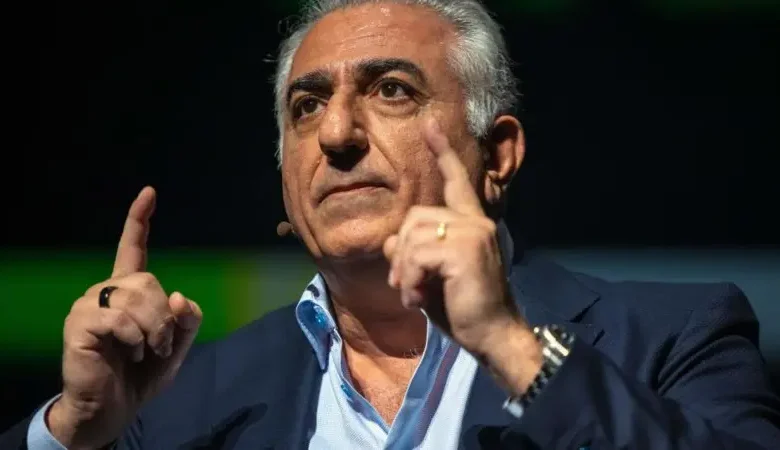
In response to these events, Prince Reza Pahlavi issued a statement published through his official channel, writing:
“The Islamic Republic, in support of the terrorist Hezbollah of Lebanon, has initiated another military conflict to further expose its non-Iranian and anti-Iranian nature. This regime has taken the Iranian nation hostage and views the lives and property of Iranians as tools for exporting terror, war, and instability.
In this conflict as well, as always, the Islamic Republic bears responsibility for any damage to Iran’s infrastructure and the loss of innocent civilian lives on both sides.
The Iranian nation, which has been the first and greatest victim of this regime, well knows that as long as the Islamic Republic remains in power, terror, violence, and instability will cast a shadow over Iran, the region, and the world. Peace, security, and sustainable prosperity are only possible with the end of this regime.
The solution is not negotiation with the Revolutionary Guards and occupying terrorists of Iran; the solution is to stand with the Iranian nation and support its struggle to end the Islamic Republic.”
Analysts believe that this new round of tensions, in addition to its security implications, could also confront diplomatic efforts to reduce the crisis between Iran, Israel, and regional actors with new challenges. As the Middle East continues to face widespread instability, many international observers warn of the risk of this conflict escalating into a comprehensive regional confrontation.