From Protests to Death Sentences; The Bitter Fate of a Migrant and Two Orphaned Brothers
The issuance of death sentences for three young Iranian citizens, including a Malaysian resident and two twin brothers without guardians, has raised fresh concerns about the judicial process in dealing with arrested protesters and defendants in security-related cases in Iran. While human rights organizations speak of lack of transparency, forced confessions, and restrictions on access to lawyers, all three cases have now become symbols of growing concerns about capital punishment and fair trials in the Islamic Republic.
According to information released by human rights sources, “Ali Kamali,” an Iranian citizen with Malaysian residency, has been sentenced to death by Branch 26 of the Tehran Revolutionary Court under Judge Iman Afshari on charges of “moharebeh” (waging war against God). The sentence was issued following a hearing held in Ordibehesht month and is now under review by the Supreme Court in the appeals stage.
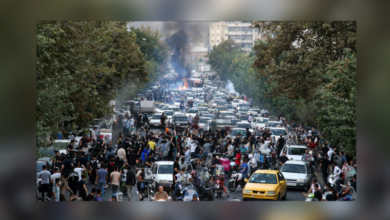
According to informed sources, Kamali was arrested just days after entering Iran during nationwide protests in Dey month of 1404 (December 2025) in Tehran. After the conclusion of interrogations, he was transferred to Tehran’s central prison where he remains detained. To date, no clear details have been released regarding the evidence for the moharebeh charge, the documents presented in court, or the proceedings of the case.
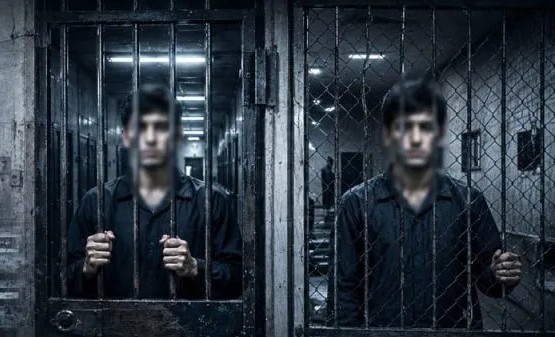
Another case that has drawn the attention of human rights organizations involves “Hassan and Hossein Amiri,” twenty-year-old twin brothers who have been sentenced to death on charges of “collaboration with Israel.” These two young men are currently being held in Qarchak Prison in Karaj and, according to reports, are facing the threat of execution of their sentence.
Based on released information, Hassan Amiri was arrested at a security checkpoint in Esfand month of 1404. It is said that authorities, upon checking his mobile phone, found an image of a bombed location. Human rights sources claim that he was subjected to intense physical and psychological pressure after his arrest to force him to confess against himself and his brother. Subsequently, Hossein Amiri, who was working at an auto repair shop in Karaj, was also arrested, and both brothers were transferred to Qarchak Prison for further interrogation.
What has drawn even more attention to this case is the living conditions of these two brothers. According to reports, Hassan and Hossein lived in children’s detention centers under the care of the Welfare Organization until reaching legal age and lacked family support. Human rights organizations state that the absence of a family or guardian has severely limited the possibility of effectively pursuing their case from outside the prison.
These sentences were issued amid multiple reports of increased judicial proceedings against arrested protesters in recent months. The Hengaw Organization previously announced that at least 30 of those arrested during Dey month protests have been sentenced to death, and some of these sentences have been carried out.
Concerns about the conduct of these cases have not been limited to within Iran. International human rights organizations have repeatedly warned against the use of forced confessions, restrictions on defendants’ access to independent lawyers, and the conduct of expedited trials in security-related cases. In recent months, reports have also emerged regarding the execution of death sentences for some protesters, which have faced widespread criticism from human rights defenders.
While Ali Kamali’s case is under review at the Supreme Court and the final status of the Amiri brothers remains shrouded in uncertainty, human rights activists warn that the continuation of the current process could expose a greater number of arrested individuals in political and security cases to capital punishment.