Revolutionary Guard Threatens to ‘Cemeterize’ Persian Gulf Amid Claims of Progress in U.S. Negotiations
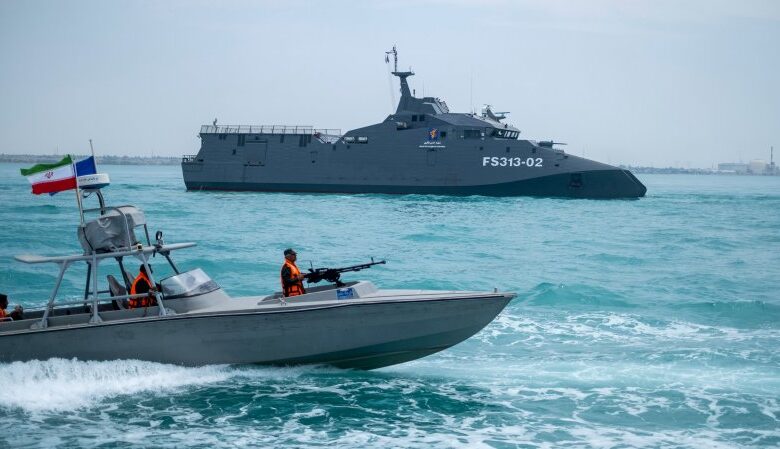
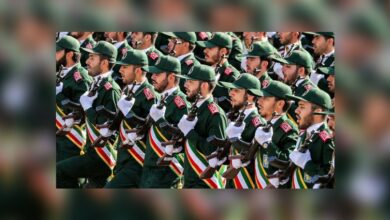
While international reports speak of an unprecedented rapprochement between Tehran and Washington moving toward an initial agreement, a senior Islamic Revolutionary Guard Corps Navy official has warned in sharp tones that should the United States resume attacks, Iran will transform the area from Chabahar to Mahshahr into a “graveyard for invaders”—a threat that once again heightens concerns about the stability of one of the world’s most critical energy corridors and simultaneously raises serious questions about the alignment between Iran’s diplomatic rhetoric and its field conduct.
According to reports published in international media, these statements were made by a senior IRGC Navy official who emphasized that should American military operations continue, “Iran’s entire coastal strip in the Persian Gulf will become a deadly zone for invading forces.” This position is being taken at a time when some negotiators simultaneously have spoken of the closest approximation to an agreement since the April ceasefire—a situation that analysts say demonstrates an apparent gap between Tehran’s diplomatic trajectory and its military messaging.
Analysis of data published in international media in recent months shows that tensions in the Strait of Hormuz and around the Persian Gulf have repeatedly been accompanied by limited naval skirmishes, threats to block shipping routes, and scattered attacks on vessels—events that have directly impacted the global energy market and increased security costs for international commerce.
Under such circumstances, critics of the Islamic Republic’s regional policies contend that the continuation of military threats concurrent with negotiations not only makes confidence-building difficult but also leads to heightened instability in a region upon which the economy and lives of millions of Iranians depend. From these analysts’ perspective, when a government speaks of agreement at the diplomatic level but continues with tension-raising policies in practice, ultimately it is ordinary citizens who bear the greatest cost through sanctions, insecurity, and economic pressures.
In contrast, officials of the Islamic Republic have consistently emphasized that their military measures are “deterrent and defensive” in nature and are taken in response to external threats; however, the continuation of the cycle of threats and military responses has caused the prospect of a lasting agreement to remain fragile, leaving the Persian Gulf in a state of constant readiness.