US ‘Operation Freedom’ Against Tehran’s Threats as World Faces New Maritime Crisis
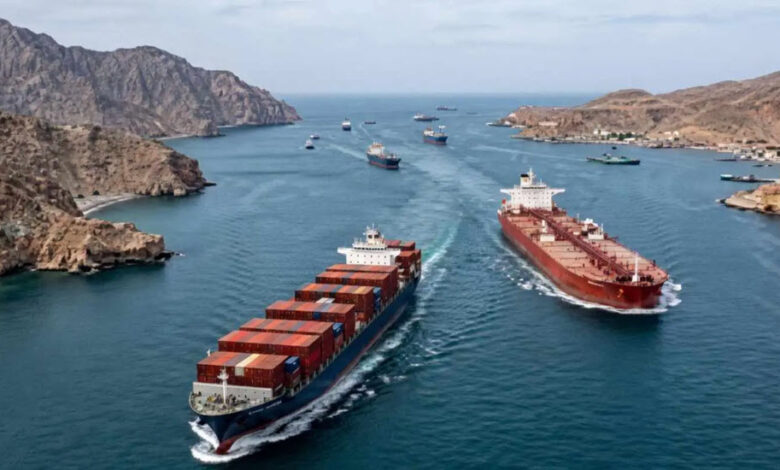
With the initiation of “Operation Freedom” by the United States to ensure safe passage of ships through the Strait of Hormuz, tensions with the Islamic Republic have reached their peak; while Washington characterizes this mission as “defensive,” Iranian military commanders have warned: “Any foreign armed force will be attacked,” a matter that has intensified concerns over disruption to one of the world’s most vital energy routes.
Following escalating military and security tensions in the Persian Gulf, the United States Central Command (CENTCOM) announced on Monday, May 4th, corresponding to 14 Ordibehesht, the launch of a new mission called “Operation Freedom”; an operation aimed at ensuring free passage of commercial vessels through the Strait of Hormuz.
According to an official statement released, this operation was designed at the direction of the US President and focuses on protecting vital global trade routes. The Strait of Hormuz is considered one of the most important energy chokepoints in the world, with a significant portion of oil, gas, and other strategic commodities exports passing through this route.
Brad Cooper, commander of CENTCOM, described this measure as “defensive” and emphasized its importance for economic stability and regional security. He also noted that this mission is being carried out amid ongoing shipping disruptions and restrictions created in the region.
Within the framework of this operation, the United States has deployed an extensive range of its military capabilities; from destroyers equipped with guided missiles to hundreds of aerial and unmanned systems and thousands of military personnel. Simultaneously, a joint initiative between the US State Department and Defense Department is underway aimed at strengthening cooperation with international allies in the field of maritime security and information sharing.
These moves are taking place as the Islamic Republic of Iran has adopted a harsh and warning stance. Ali Abdollahi, commander of the Khatam al-Anbia Central Headquarters, referring to the possible presence of foreign forces in the region, stated: “Any foreign armed force, especially the invading US military, if they intend to approach and enter the Strait of Hormuz, will be attacked.”
He also warned: “We declare to all commercial ships and oil tankers to refrain from any attempt to transit without coordination with the armed forces deployed in the Strait of Hormuz to ensure their safety is not endangered.”
This military official further accused America of “piracy” in international waters and emphasized that Iran’s response to any threat would be “severe and regrettable.” He added: “With all our might, we maintain and powerfully manage the security of the Strait of Hormuz.”
International experts warn that escalation of these tensions could have far-reaching consequences for global energy markets. Any disruption to ship transit through the Strait of Hormuz would rapidly impact oil prices and global supply chains.
In recent months, reports have emerged of increased sporadic clashes, ship seizures, and mutual threats in this waterway. Some analysts believe that “Operation Freedom” could be seen as an attempt to restore the balance of power in the region, but at the same time increases the risk of direct confrontation.
Under such circumstances, the future security of one of the world’s most important maritime passages remains shrouded in uncertainty, with all eyes on upcoming developments in the Persian Gulf.