Mai Sato and Volker Türk Warn Over Executions and Widespread Restrictions
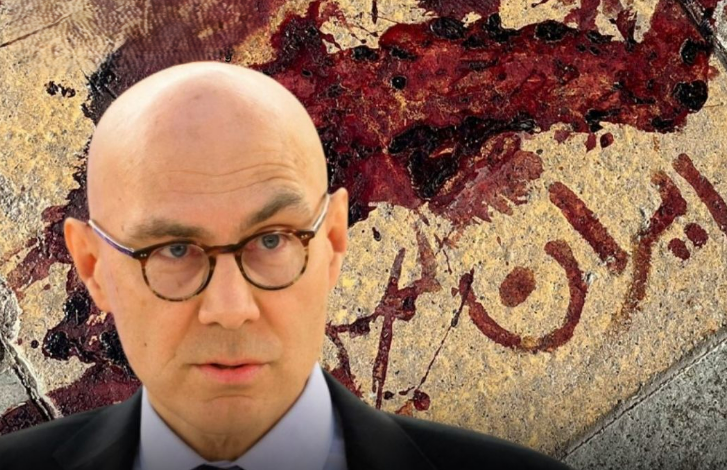
Mai Sato and Volker Türk, criticizing executions, arbitrary detentions, and internet restrictions, called for an immediate change in the Islamic Republic’s approach.
Amid growing international concerns over the human rights situation in Iran, “Mai Sato,” the UN Special Rapporteur on the situation of human rights in Iran, and “Volker Türk,” UN High Commissioner for Human Rights, called on Islamic Republic authorities in separate statements to immediately change their policies toward citizens.
In her remarks, Mai Sato, referring to a series of recent actions, expressed serious concern about the legal and civil status of Iranian citizens. She specifically addressed the issue of widespread asset confiscation and said: “This action has affected hundreds of people, including 400 Iranians living abroad.” According to her, such actions not only violate the principles of property rights but also have far-reaching consequences for public trust and the relationship of Iranians abroad with their homeland.
This UN official also called for immediate attention to the situation of two well-known human rights figures, “Narges Mohammadi” and “Nasrin Sotoudeh.” She emphasized that the situation of these individuals is emblematic of broader pressures on civil activists in Iran.
Sato addressed severe internet restrictions in another section of her statement and strongly criticized the 61-day internet shutdown. She characterized this action as a factor in “depriving Iranians of access to information” and creating an “exclusive government narrative of Iran’s situation,” and called for the immediate restoration of free and full access to the global internet.
Meanwhile, Volker Türk, in a separate statement with a stronger tone, addressed the issue of executions. He stated that he is “horrified” by the increase in executions in Iran coinciding with regional developments, including the onset of joint Israeli and American attacks. This statement reflects the deep concern of international institutions about the use of capital punishment in critical circumstances.
Türk called on Islamic Republic authorities to immediately halt all pre-planned executions and take concrete steps toward a complete suspension of the death penalty. He also emphasized the importance of complying with fair trial standards and called for the immediate release of individuals who have been arbitrarily detained.
These positions are being raised as international human rights institutions, including the United Nations, have repeatedly warned in recent years about the increasing process of civil restrictions, suppression of protests, and the use of severe punishments in Iran. Experts believe that the timing of these statements with the region’s geopolitical developments reflects renewed international attention to Iran’s internal situation.
Overall, the recent statements reflect an increase in diplomatic and human rights pressure on the Islamic Republic; pressure that, focusing on halting executions, ending arbitrary detentions, and ensuring free access to information, calls for fundamental changes in Iran’s domestic policies.