Execution of Teenagers in Iran; ‘Moharebeh’ as a Pretext for Eliminating Protesters
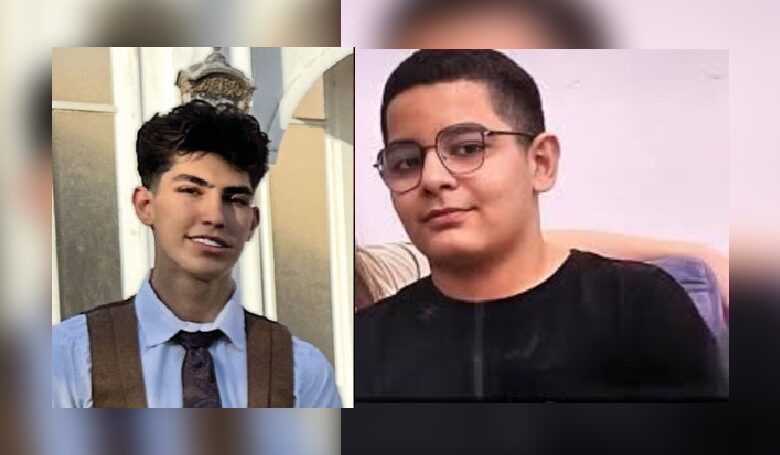
The case of “Shervin Bagherian” exemplifies a concerning pattern of death sentences against young protesters accused of moharebeh (waging war against the state) in Iran. An accusation repeatedly used to eliminate dissenters.
According to multiple human rights reports, the process of issuing and executing death sentences against teenage and young adult protesters in Iran has taken on alarming dimensions; a process that many observers view not as the administration of justice, but as a tool for repression.
In one recent example, 18-year-old Shervin Bagherian from Isfahan faces the death penalty on charges of “moharebeh” and participation in the killing of Basij forces. Reports indicate that following his arrest during protests, he was subjected to severe pressure and under ambiguous circumstances, forced to make confessions whose accuracy is seriously questioned.
According to these reports, this teenager was not only denied access to a lawyer, but even during interrogation had no clear understanding of the “moharebeh” charge; an accusation in Iran’s Islamic Republic judicial system that can result in a death sentence.
Meanwhile, international and human rights organizations have warned about the danger of executing this sentence, stating that forced confessions and the absence of fair trial procedures severely undermine the legitimacy of these cases.
Broader reports also show that this case is not isolated, with dozens of detained protesters, particularly young people, facing the danger of death sentences being issued or carried out; an issue that has heightened concerns about the use of capital punishment as a tool for social control.
Meanwhile, Shervin Bagherian’s physical and psychological condition has been reported as concerning, and his family remains unaware of his detention conditions and health status.
Reports have also emerged about a 16-year-old named “Ahoura Safaei-Rad,” who was arrested during protests and faces moharebeh charges. Reports circulating on social media regarding him indicate a danger of execution for this minor, but as of the time of this report, verified information has not been found in reliable sources, though some unofficial reports on various social media platforms suggest the danger of his execution.
Multiple pieces of evidence and accounts of the Islamic Republic’s treatment of protesters and citizens present a concerning picture of structural indifference to human life; a process in which even the age and vulnerable status of individuals is not a barrier to the harshest punishments.
From the mobilization and recruitment of children and teenagers to inspection points and military centers under the banner of “defending the nation,” to leveling charges such as “moharebeh” against minors and issuing severe sentences including execution, a set of documented patterns has formed that have raised serious concerns about widespread human rights violations.
Within this framework, critics and human rights organizations view this process as a sign of the continuation of policies in which preserving political security and social control take precedence over the right to life and principles of fair trial, ultimately leading to the sacrifice of citizens, including adolescents.