Controversial Plan to Control Strait of Hormuz; New Tensions Over World’s Most Vital Energy Passage
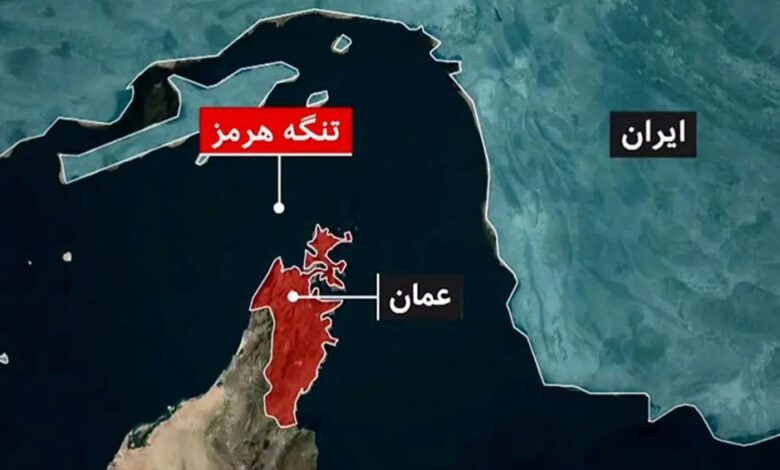
A controversial plan to control the Strait of Hormuz by Iran’s parliament has increased regional tensions and global concerns about energy security and its consequences.
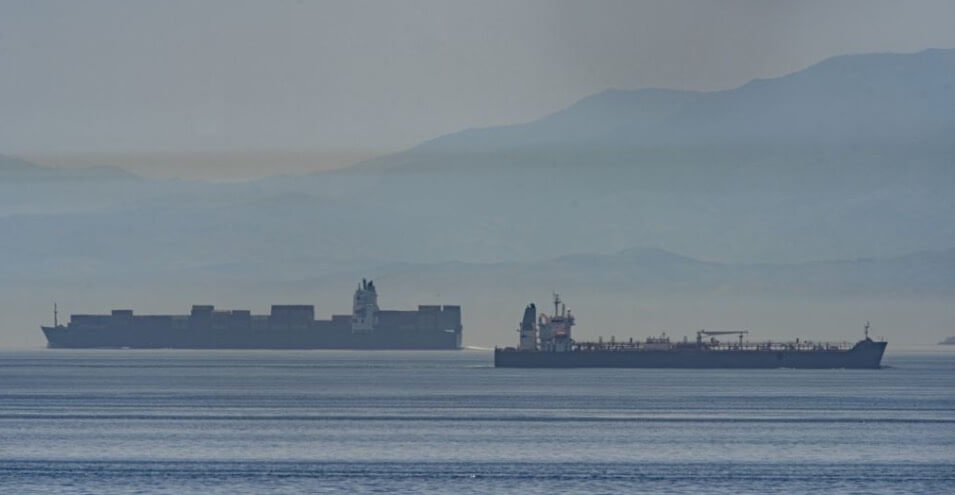
As regional tensions in the Persian Gulf have reached unprecedented levels, the release of details of a plan in Iran’s parliament regarding restricting passage through the Strait of Hormuz has once again drawn global attention to this vital waterway; a route through which a significant portion of the world’s energy passes.
Abbas Godarzi released the full text of a nine-article plan on Thursday, April 2, which is introduced under the title “Law on Strategic Action for Peace and Sustainable Development of the Persian Gulf Region.” According to this plan, the government, in cooperation with military forces, will be obligated to create a mechanism to collect tolls from passing ships; an action that could practically place control of this vital route in the hands of Iran’s government.
In part of this plan, it states that vessels related to hostile countries will not be allowed passage through this waterway; a matter that, according to analysts, could escalate international conflicts. The parliament’s spokesperson also announced that the process of reviewing this plan has begun, although reports indicate that parliamentary activities in recent weeks have been practically halted due to regional military developments.
These developments coincide with increased clashes and joint military operations between the United States and Israel at various points within Iran; circumstances that have heightened concerns about the security of maritime transit.
On the international level, Donald Trump also announced by posting a message: “The Iranian regime has requested a ceasefire; but we will review it after opening Hormuz.” He also called on countries dependent on this energy route to take independent action to open it, writing: “You must learn to fight for yourselves, the United States will no longer be there to help you, just as you were not there for us.”
Meanwhile, international media reports have shed new light on the situation. Bloomberg News Agency, citing informed sources, reported that Iran has in some cases collected tolls of up to two million dollars from commercial ships passing through the Strait of Hormuz. Although this process still lacks a coherent structure, it indicates attempts to exert economic control over this route.
According to other reports, the Islamic Revolutionary Guards Corps has in some cases made obtaining permission from this entity a condition for passage, and reports have even been published about the collection of amounts up to two million dollars in currencies such as Chinese yuan.
In response to these developments, some regional countries are seeking alternative routes for energy exports. The Financial Times has reported that plans are being reviewed to create new pipeline lines, including transferring oil to other ports such as Haifa, to reduce dependence on the Strait of Hormuz.
In this regard, only some countries such as Saudi Arabia and the United Arab Emirates have some alternative infrastructure to bypass this route, while many major economies, particularly in Europe and East Asia, remain dependent on safe passage through this strait.
In the latest developments, Britain has announced that it will host a virtual meeting with representatives of approximately 35 countries to review solutions for reopening this waterway; a meeting that will be held in the absence of the United States and reflects growing concerns of the international community regarding the future of this strategic route.
In sum, what is taking shape is not merely a domestic or regional debate, but rather a global challenge over one of the world’s most important energy arteries. Any change in the situation of the Strait of Hormuz could have far-reaching consequences for the global economy, energy security, and regional political stability.