Expansion of Airstrikes in Iran; Wave of Destruction and Humanitarian Concerns Across the Country
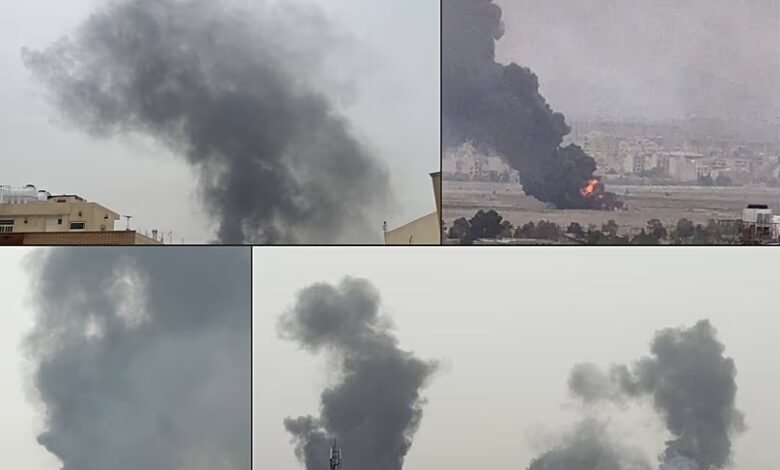
The expansion of airstrikes in Iran continues as reports indicate widespread destruction and mounting humanitarian concerns across various regions of the country.
Amid unprecedented tensions in the region, airstrikes attributed to the United States and Israel have entered their twenty-fourth day, with a fresh round of operations reported from dawn on Monday, the third of Farvardin, corresponding to March 23. According to various sources, these strikes have been pursued with greater intensity, raising growing concerns about the situation of civilians and urban infrastructure.
Based on released information and images received from local sources, multiple areas across different regions of Iran have been targeted during this round of strikes. Among these areas are Tehran, Isfahan, Karaj, Tabriz, Urmia, Shahr-e Rey, Abyek, Kermanshah, Kurdistan, Ilam, Shahriyar, Arak, Kerman, Bandar Abbas, Shiraz, Kish Island, Chabahar, Hamadan, Konarak, Bushehr, Varamin, Kharg, Khomein, Yazd, Andimeshk, Rudehen, Khorramabad, Shahreza, Garmdarre, Shahinshahr, and Najafabad.
Reports indicate that a significant portion of these strikes have affected residential areas and the vicinity of urban centers. Images posted on social media show damaged buildings, destroyed infrastructure, and the concerning conditions of local residents.
It should be noted that reports and videos published over the past month indicate that the Islamic Republic has used schools, hospitals, residential areas, and many public spaces as human shields, and as a result of Israeli and American strikes against these areas, some civilians have also lost their lives.
Humanitarian experts warn that the continuation of such a process could lead to serious crises in relief operations, emergency shelter, and access to basic services; particularly in cities that have previously faced economic hardships and resource shortages.
Some analysts believe that the geographic dispersal of targets demonstrates an effort to exert broad and simultaneous pressure on different points across the country. The targeting of cities in the center, west, south, and even coastal regions reinforces the likelihood that these strikes carry political and deterrent messages in addition to military objectives.
Meanwhile, detailed information about the specific targets of each strike or the extent of damage caused has not yet been released by official sources, and the information environment remains clouded with considerable ambiguity.
The expanding scope of these strikes has prompted cautious reactions at the international level. Some human rights organizations have expressed concern about civilian casualties and potential violations of international law, although independent assessments of the extent of damage have yet to be released.
Under such circumstances, the future of these conflicts still appears uncertain. The continuation of strikes could lead to heightened instability in the region, while many ordinary people face the direct consequences of these tensions more than ever before.
These developments are occurring as Iranian society has faced multiple economic and social pressures in recent years, and now the shadow of insecurity and crisis has added new concerns to the daily lives of people.