New Developments in US-Iran Relations; Trump Speaks of Contact with ‘Real Leader’
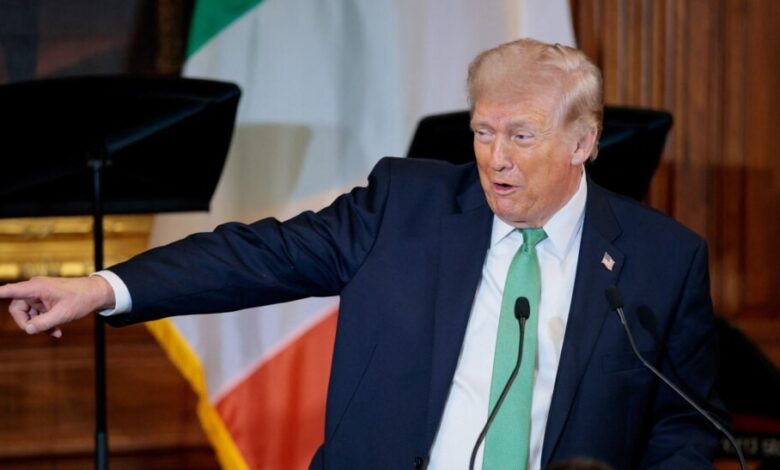
New developments in US-Iran relations are emerging as Trump speaks of contact with the “real leader” and reports the possibility of an imminent agreement.
In recent statements that could signal significant changes in Middle Eastern political equations, US President Donald Trump announced that Washington is in contact with a person in Iran whom he said he “has the utmost respect for and is the real leader.”
These remarks, made to reporters in Palm Beach, Florida, have drawn widespread attention from political analysts, particularly because Trump implicitly revealed the existence of an informal communication channel with Iran’s power structure; a matter that, if true, could transform the course of diplomatic developments.
In response to a question about Mujtaba Khamenei, whom some have proposed as an option for Iran’s future leadership, Trump said: “We haven’t heard from him and don’t know if he’s alive or not.” He also emphasized that he does not recognize him as a leader.
These statements come as speculation about the future of leadership in Iran, particularly in foreign media and political circles, has intensified.
The US President also claimed that talks are underway between representatives of both sides. According to him, “Steve Witkoff,” the US special envoy, met with a senior Iranian official, though he refrained from naming this person. Trump added that this person is “the most respected and principal leader” in Iran’s current structure and emphasized that he is not Mujtaba Khamenei.
He also spoke of an agreement on “major points” and stated that these negotiations began on Sunday and, if progress continues, could reach a conclusion soon. According to Trump, “Jared Kushner” also plays a role in advancing these talks.
In another part of his remarks, Donald Trump revealed that the United States had planned an extensive attack targeting Iran’s vital power infrastructure, but this action was postponed. He said: “They called and want to make a deal.”
This claim comes as official sources in Iran have not yet reacted to these statements. Some media outlets close to Iran’s military institutions have rejected any talks and considered these remarks an attempt to influence global markets, particularly oil and stocks.
Trump again emphasized one of America’s main conditions, saying Iran has accepted not acquiring nuclear weapons. This issue has been one of the main points of tension between the two countries for years.
He also referred to the strategic importance of the Strait of Hormuz and said that if negotiations succeed, this vital passage would soon be reopened and oil prices would experience a significant decline. According to him, control of this region could be exercised jointly.
Finally, Trump, alluding to Iran’s domestic conditions, claimed that following the death of some government leaders, the situation has progressed such that “it appears a change of power has occurred.” He added that he is now negotiating with reasonable people and has raised approximately 15 demands from Iran, the most important of which is not acquiring nuclear weapons.
Analysts believe that these statements, if officially confirmed or denied by Iran, could have far-reaching effects on the future of relations between the two countries, regional stability, and even the state of religious and social freedoms in Iran; a matter that is of particular importance to many observers, including the Christian community.