Death of Iran’s Intelligence Minister in Israeli Strike; Blow to Repression Structure or Beginning of a New Phase?
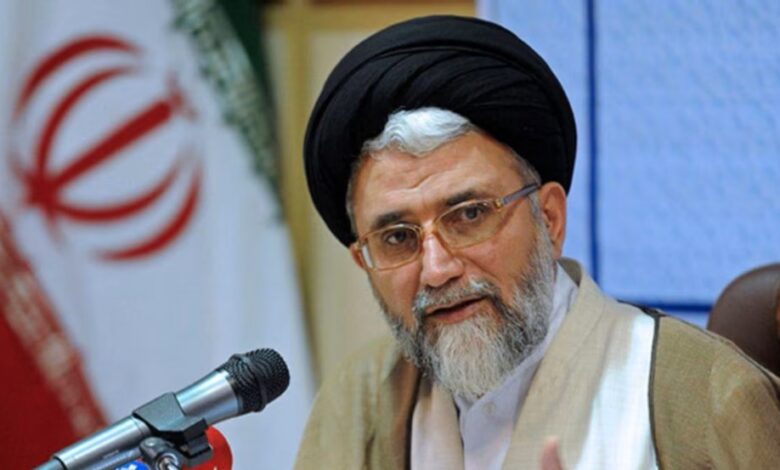
Israel’s Defense Minister announced in a message that Iran’s Intelligence Minister was killed following Israeli strikes on the current day. A man who was the principal agent in the repression and detention of many Christians in Iran.
In an unprecedented development in regional security confrontations, Israel Katz announced that “Ismail Khatib” was killed during air strikes on the morning of Wednesday, March 18, corresponding to the 27th of Esfand, an event that, if finally confirmed, could be considered one of the most significant direct blows to the information structure of the Islamic Republic of Iran in recent years.
This news was simultaneously released by the Israeli Defense Forces and confirmed in a statement on the social network “X”. The Israeli Defense Minister, describing this operation as a successful action, announced: “Significant surprises are on the way today.”
In continuation of this position, Katz told media outlets that there was a change in the level of operational authority and said: “Benjamin Netanyahu, the Prime Minister, and I have authorized the Israeli army to target any senior Iranian government official without needing additional approval from us and eliminate them.”
Ismail Khatib was considered a veteran figure in the intelligence institutions of the Islamic Republic. Before reaching the ministry, he held responsibilities such as managing the General Information Department of Qom, heading the office of the Supreme Leader’s protection, as well as heading the Center for Protection and Information of the Judiciary.
According to Israeli officials, he was “responsible for the regime’s system of internal killing and repression in Iran and the promotion of external threats”; a description that reflects Tel Aviv’s view of the role of the Intelligence Ministry in Iran’s domestic and regional policies.
The Ministry of Intelligence of the Islamic Republic of Iran is considered one of the main security institutions in Iran that, alongside other intelligence agencies, plays a central role in controlling and suppressing religious activities outside the official framework.
In recent years, multiple reports have been released about pressure on Christian citizens, including arrests in private homes and house churches, prolonged interrogations accompanied by psychological pressure, and issuance of severe prison sentences against them.
Human rights activists have repeatedly warned that this institution systematically identifies and deals with Christians; individuals who often face security charges due to religious conversion.
Following the escalation of tensions and military clashes between Iran and Israel, pressure on religious minorities has also increased. In this context, official sources have reported the arrest of dozens of Christian citizens and announced that at least 53 people were arrested in a short time period.
Observers believe that during periods of security crisis, Iranian intelligence agencies typically intensify internal controls; an issue that often leads to increased restrictions on religious groups, including Christians.
The death of Ismail Khatib, the Intelligence Minister, if formally and independently confirmed, could have far-reaching consequences. On the one hand, this event could cause temporary disruption in internal security coordination, and on the other hand, it could also increase the possibility of intensifying security approaches and stricter reactions.
For Iran’s Christian community, this development could have two contradictory consequences: “temporary reduction of pressures due to disruption in the security structure, or conversely, an increase in harsh treatment within the framework of preventive policies.”
The announcement of Ismail Khatib’s death by Israel Katz signals the entry of Iran-Israel tensions into a new and more direct phase. At the same time, this event has once again drawn attention to the role of Iranian security institutions in internal repression, particularly against religious minorities such as Christians.
As the future of this confrontation remains unclear, concerns about the state of human rights and religious freedoms in Iran continue to grow.