“Morgues are packed with bodies”; Reza Pahlavi’s shocking account of repression in Iran
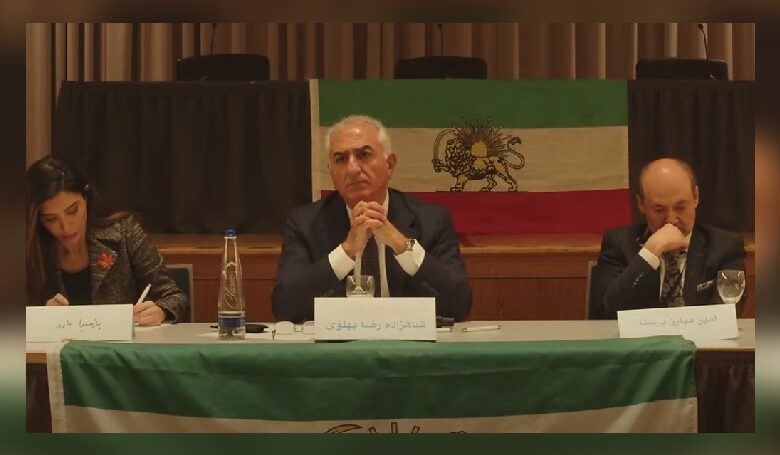
Prince Reza Pahlavi at the Munich Conference, while referring to the continued massacres and the necessity of global solidarity with the Iranian people, warned about morgues packed with bodies.
During press conferences and speeches held on the sidelines of the Munich Security Conference, Reza Pahlavi, son of Iran’s last shah and a prominent opposition figure, spoke in a sharp and candid manner about the current situation in Iran and the suppression of protesters, sending important political and humanitarian messages to the world. Discussions and developments surrounding Iran’s domestic protests and its international position, along with increasing political pressures, have made his statements widely resonant.
In part of his speech, Reza Pahlavi painted a grim picture of the suppression of protests in Iran, saying: “Morgues are packed with bodies and there is no room to close them. The wounded were taken away with saline bags.” This expression, which reflects the severity of violence inflicted on protesters, was repeatedly emphasized throughout his speech.
He quoted Ukrainian President Volodymyr Zelensky, saying: “Zelensky said in Davos that the voice of the Iranian people was silenced in blood and the world did not pay attention to it.” This statement reflects concern about the international community’s indifference to widespread massacres in Iran.
Pahlavi also addressed critics of the Islamic Republic, saying: “This regime targets your citizens the same way it massacres its own citizens. We see that targeted killings are being committed in your soil in Europe, and on the other hand, French teachers and Swedish diplomats are being held hostage in Iran.” These claims, while referring to instances of violence and international tensions, presented a critical view of the Islamic Republic’s conduct.
He continued by emphasizing the necessity of “firm unity” and said: “What we need now is firm unity so that the Iranian people can free themselves.” Therefore, Pahlavi’s main message went beyond protest and was accompanied by an emphasis on creating a united and coordinated political force.
Prince Pahlavi, referring to international pressure on the Islamic Republic, said: “Continue maximum pressure by dismantling the shadow fleet, sanctioning the Islamic Revolutionary Guards Corps, ending internet blackouts, and pursuing crimes against humanity, while calling for the release of political prisoners and paving the way for democratic elections in Iran.” Referring to economic pressure, human rights, and the role of sanctions, he called for more decisive action by governments to change the situation.
Pahlavi emphasized: “All 27 European Union countries have designated the Islamic Revolutionary Guards Corps as terrorist. The United States has decisively moved against the shadow fleet. Nevertheless, we are calling for more diplomatic pressure. This demand stems from the blood of my countrymen.” These statements demonstrate an effort to expand international pressure on the Islamic Republic.
He again, reiterating that “my countrymen want this regime buried,” announced the creation of a united opposition force and added: “My countrymen have asked me to unite the opposition forces.”
In his political vision, Prince Pahlavi spoke of a free and democratic Iran and continued: “The process of creating a new constitution under international supervision that allows the Iranian people to determine their own destiny, a free and democratic Iran that is at peace with its neighbors.” This proposal indicates that his goal extends beyond regime change and emphasizes the restructuring of the political system.
He also, referring to the role of the United States, said: “I say to President Trump that you sent a great fleet and the people heard your voice and believed, so help them. Defending freedom is everyone’s duty.” At the end of his remarks, Pahlavi said with an inclusive statement: “Today the Iranian people are shedding blood and need your solidarity. Long live freedom and long live Iran.”
This speech followed widespread protests that occurred in Iran in response to economic and social crises. Various estimates of the death toll from these protests vary; some independent sources say more than 40,000 people have been killed in the protests, while Iranian officials have announced lower figures; a matter that, along with communication restrictions in the country, makes independent verification difficult.
Meanwhile, reports indicate an increase in the arrest of activists and civil leaders in Iran, an action that reflects intensified internal repression and raises human rights concerns.
This speech, in “Voice of Freedom or Cry of Blood?”, demonstrates a firm stance on Iran’s internal situation, the use of human rights rhetoric to draw global attention, and an attempt to integrate opposition messages with international demands. While domestic protests have faced violence and severe repression, Pahlavi has asked the international community to take action and play a more active role.