Christian Rights Organizations React Strongly to Britain’s Sanctions Against Islamic Revolutionary Guard Corps
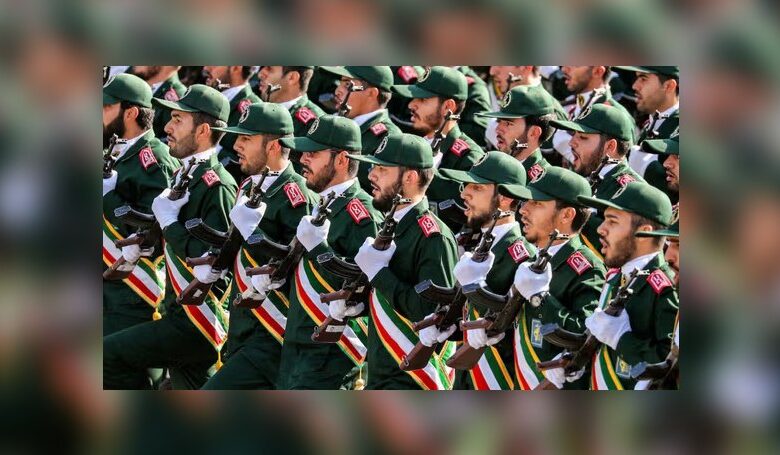
Christian rights organizations have reacted sharply to Britain’s sanctions against 11 individuals and entities of the Islamic Revolutionary Guard Corps, emphasizing the designation of the Guard Corps as a terrorist organization by Britain.
Several Christian rights organizations and religious freedom advocates, in response to a new package of sanctions imposed by the British government against 11 individuals and entities related to Iran’s Islamic Revolutionary Guard Corps due to human rights violations, suppression of protests, and use of violence against citizens, have called for more decisive action from London.
The British government announced on Monday, February 2, 2026, that it has sanctioned ten individuals and one Iranian security entity, with measures including travel bans, asset freezes, and other financial restrictions against those accused of human rights violations. In a statement, the British Foreign Secretary expressed support for the Iranian people for “courage in facing brutality and repression” and emphasized that these measures are part of efforts to hold officials of the Islamic Republic accountable.
Alongside this decision, political and social pressure has increased over the failure to designate the Islamic Revolutionary Guard Corps as a terrorist organization. Previously, political figures in Britain had called for adding this entity to the list of terrorist groups, and the issue has become an important topic in parliamentary debates and public opinion.
International organizations defending religious freedom and Christian rights have welcomed Britain’s sanctions and emphasize that decisive international action against officials and entities involved in human rights violations, suppression of minorities, and escalation of violence is necessary. Some of these groups, in addition to economic sanctions and travel restrictions, have called for the Islamic Revolutionary Guard Corps to be officially placed on the list of terrorist groups; an action that has previously been taken or discussed in some Western countries such as the United States, Canada, and the European Union.
These organizations have also called on the Iranian government to end violence against civilians, cease arbitrary arrests, and respect the fundamental components of civil and political rights, including freedom of expression, freedom of assembly, and ensuring religious freedoms for all minorities.
These latest British sanctions are part of a wave of diplomatic and human rights pressure against the Iranian government. The European Union, United States, Australia, and Canada have in recent years imposed sanctions lists against officials, entities, and even parts of the Islamic Revolutionary Guard Corps or called for increased measures; for example, the European Union has previously placed the Islamic Revolutionary Guard Corps on its list of terrorist groups and taken actions against individuals involved in suppressing protests.
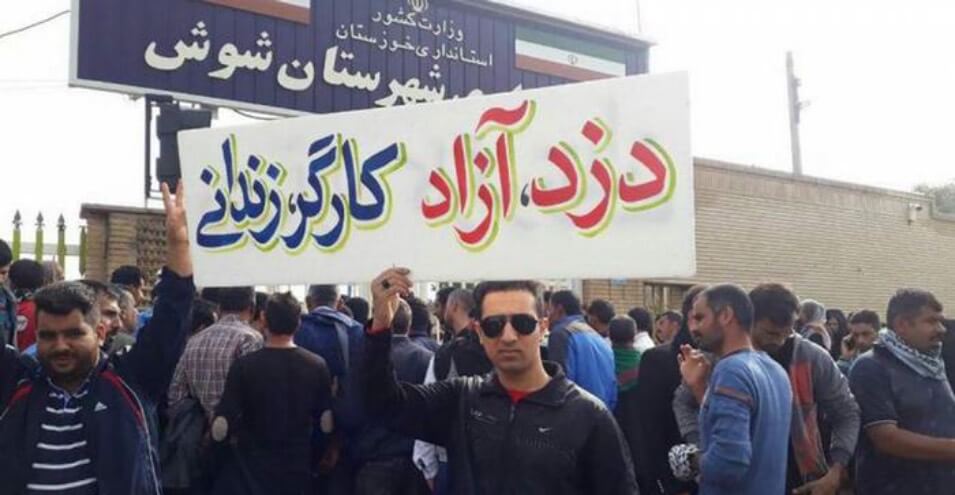
International campaigns also emphasize the need for the Iranian regime to be accountable for its violent response to domestic peaceful protests; reports indicate thousands of deaths and tens of thousands of arrests in nationwide protests in 2025-2026, which has stirred international community response.
Alongside these sanctions and international pressure, the situation of religious minorities, particularly Christians, in Iran continues to be reported as critical. Human rights groups and critics of the Iranian government have repeatedly noted that Christians, especially those converted from Islam to Christianity, face legal restrictions, harassment, arbitrary detention, and suppression, with their religious freedoms regularly violated. Independent reports show that Iran is among the countries with the highest rates of persecution and discrimination against Christians.
These developments indicate that international pressure for the Islamic Republic to be accountable for human rights violations and suppression of minorities is increasing, but at the same time, the situation of religious rights and freedoms within Iran remains one of the most important focal points of criticism by civil society and international bodies.