Rasht, a City Buried Under Suppression, Blood, and Devastation
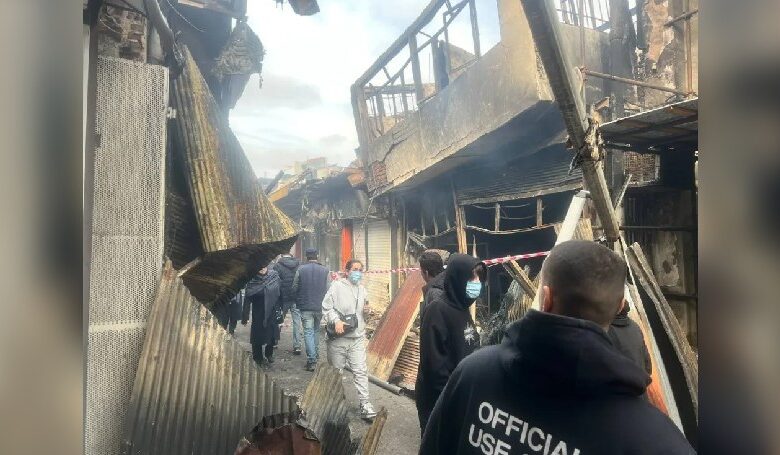
The city of Rasht, in the days of suppression, has transformed into a city shrouded in blood, oppression, and devastation.
Based on reports published by citizens, civil activists, and human rights sources, the city of Rasht has witnessed one of the most severe waves of security crackdowns during recent popular protests. These protests, which began with citizens’ demands for economic and political rights, quickly met with a violent response from security forces; a response that, according to eyewitnesses, has resulted in the deaths of numerous protesters and injuries to many citizens.
Following the temporary and weak activation of the internet in Iran, Rasht residents have shared videos on social media networks that report the widespread presence of security forces and the use of live ammunition on streets. Accounts indicate that many victims were ordinary, unarmed citizens who were targeted during gatherings or even on their daily routes. Nevertheless, no official and transparent statistics have been released by authorities regarding the number of those killed and detained.
Some of those killed in Rasht, whose names were shared hours ago by social media users, include individuals such as: “Samad Ahmadi,” “Mahdi Mohammadi,” “Mahdi Hasani,” “Mohammad Alizadeh,” “Mohammad Jahandideh-Pashaki,” “Nahayat Rahimidashti,” “Maziar Samimi,” “Erfan Qalipour,” “Suna Yekta,” “Yahya Kiadeliri,” “Poya Kheirkhah,” “Reza Samipour,” “Meysam Alidoost,” “Kiavash Mirghasemelmi,” “Nima Mehravar,” “Parvane Khojandi,” “Abbas Arzou,” “Abbas Keshavarzi,” and “Behrang Nowruzi,” who became targets of bullets fired by security forces. Many other individuals have also lost their lives in these protests, whose names are not included in this report.
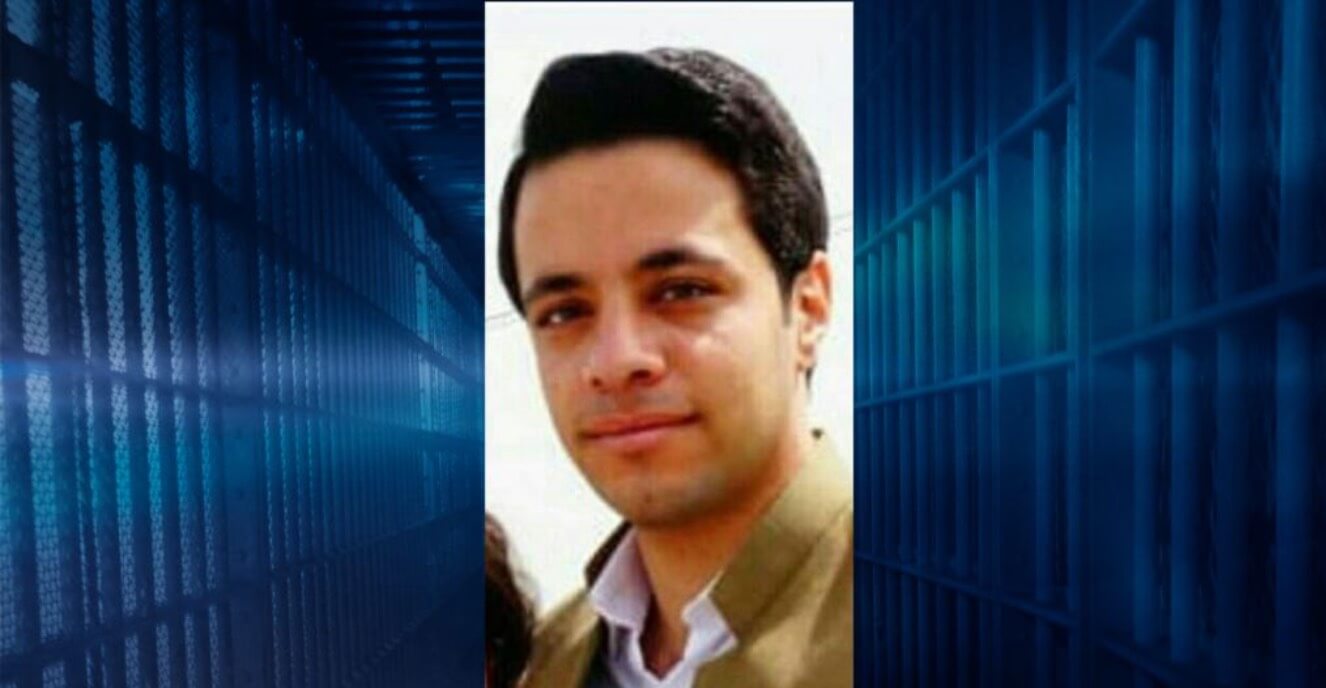
It is worth noting that among those detained in this city, a death sentence has been issued for “Amirhassan Ghadarzadeh,” a Gilaki citizen. He was arrested on Thursday, December 25, at his residence after plainclothes officers noticed traces of buckshot wounds on his body. Many individuals have been detained in this city and held in unknown locations, with no information available about the charges against them or the sentences issued, or even their names have not been published on social networks and they remain in news silence.
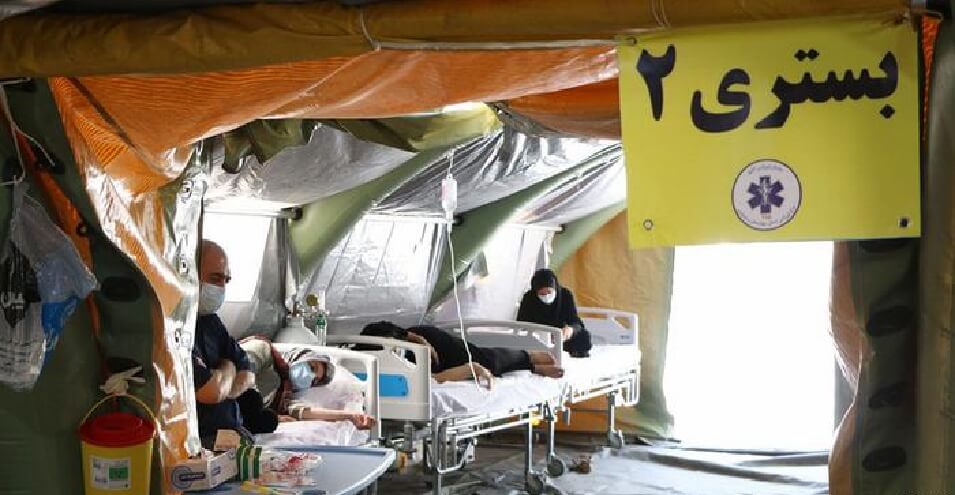
Additionally, a doctor at “Porsina” Hospital in Rasht, whose identity is protected, spoke about the transfer of protesters to the hospital: “After the injured from the protests were transferred to Porsina Hospital, security forces entered the hospital and took the wounded with them. Furthermore, the officers evacuated all of this hospital’s blood bank reserves and transferred them to the Army’s “Walieasr” Hospital.”
Other reports have also been published from cities around Rasht, including Loshan, Rudbar, Manjil, Rostamabad, and Bandar Anzali, indicating direct shots fired with military weapons at protesters, and messages from observers report the deaths of a high number of citizens, including children.
Along with human casualties, widespread destruction has been reported in parts of the city; from damage to public property and shops to the destruction of urban infrastructure. Residents of central and peripheral neighborhoods of Rasht say: “The city’s atmosphere has become highly securitized and fear and anxiety have cast a shadow over people’s daily lives.”
Human rights activists emphasize that the severe suppression of peaceful protests and the cutting off or disruption of internet access is a clear attempt to silence the voices of protesters and conceal the true dimensions of events. In their view, what happened in Rasht is a stark example of forceful dealing with civil demands and widespread violation of citizens’ rights.
Today’s Rasht is a wounded city; a city whose streets have witnessed screams, blood, and suppression, and whose people still await accountability, truth, and justice.