Khamenei Came to the Field with Threats and Bullets, But Iran’s National Uprising Has Entered a Decisive Phase
With Khamenei’s direct threats and intensified repression, Iran’s national uprising has moved beyond the protest phase and entered into a fateful confrontation with a weakened regime.
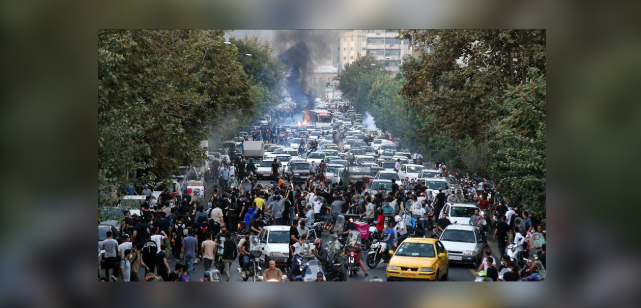
On the evening of last Friday, January 2, corresponding to the 12th of Dey month and on the sixth day of Iranians’ national protests, the number of citizens participating in this street uprising increased dramatically; a protest that this time entered a new phase with Tehran’s participation. Reports and videos published on social media show that slogans, more than in previous days, explicitly focused on supporting Prince Reza Pahlavi and against the entirety of the Islamic Republic, and the atmosphere of protests has taken on a markedly more political and regime-change character.
In this nationwide uprising, crowds of protesters appeared in multiple points in Tehran including Narmak, Tehranpars, Satarkhan, Aryashahr, and Naziabad, chanting slogans centered on fundamental change of the system and support for popular leadership. Reports indicate that protesters in Qom, Isfahan, Gohardasht Karaj, Zarinshahr Isfahan, and other cities also took to the streets with critical slogans and support for nationwide protests.
Field investigations show that protests have spread to more than 70 Iranian cities, a fact that invalidates the government’s official narrative about protests being “limited.” Social, economic, and political pressures have shifted the composition of slogans from livelihood demands to systemic calls for regime change.
In such a protest environment, messages from Reza Pahlavi have been repeatedly posted on the social media platform “X,” in which he has clearly sent messages to the Iranian people and social forces. In his messages, he has asked the people to remain united and focused on the goal, which is victory. He has also emphasized that protesters are making history.
In the current tense atmosphere, U.S. President Donald Trump, by issuing warning messages against the repression of protesters, declared that if repression continues, the U.S. government will stand alongside the Iranian people. Trump’s message quickly provoked reactions from Islamic Republic officials, who in response issued harsh threats and warnings against the United States and the presence of American military personnel in the region.
Reza Pahlavi, in reaction to these positions, thanked Trump for his support in his messages and wrote: “Mr. President Trump, I thank you for your decisive leadership and support for my countrymen. The warning you gave to the Islamic Republic regime about continuing to suppress the Iranian people has given my nation greater strength and hope; hope that finally the U.S. President stands firm and openly with the Iranian people.
The Iranian nation has been fighting for years to end decades of repression, corruption, and injustice. Your message has not only encouraged the Iranian people, but clearly shown that the free world hears their voice and will not remain silent in the face of the oppression and violence of the ruling regime.”
In response to the nationwide uprising, Ali Khamenei stated in official positions that he distinguishes legitimate protesters from “rioters” and has mobilized repressive forces to continue confronting protesters. He has criticized the protests and attributed them to “enemies’ mercenaries” and emphasized that rioters must be put in their place.
Field reports also indicate the continuation of direct fire by security forces against protesters in cities such as Qom, Isfahan, and other areas, with reports of citizens being killed and wounded, although official figures have not yet been confirmed.
Iran’s national protests, which entered their second week in recent days, are now accompanied by broader presence in the capital and major cities, with political and inclusive slogans. Reza Pahlavi’s messages have played a significant role in this process in focusing demands for fundamental system change and have been accompanied by international support. In contrast, Khamenei’s positions and official repression show that the government is attempting to stop the protests through coercive means.
In such a scene of developments, the continued presence of people in the streets, the reaction of security forces, and domestic and international political developments will play a decisive role in the future of this national uprising.