Syria on First Anniversary of Assad’s Fall: Fragile Hope Between Old Wounds and Specter of Revenge
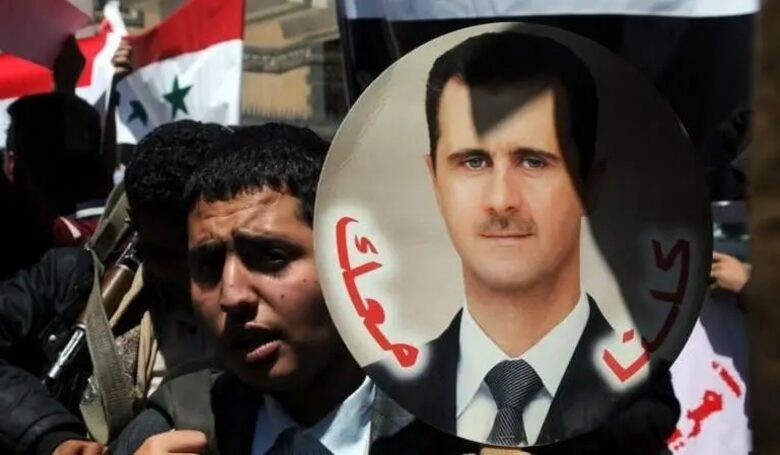
On the first anniversary of Assad’s fall, Syria’s political transition process remains fragile, as the country struggles between hopes for change and fears of retribution.
A year after the collapse of Bashar Assad’s regime, Syria is navigating a critical period marked by political reconstruction, security threats, and sectarian concerns—days in which hope for liberation from a bloody era mingles with fear of renewed violence erupting.
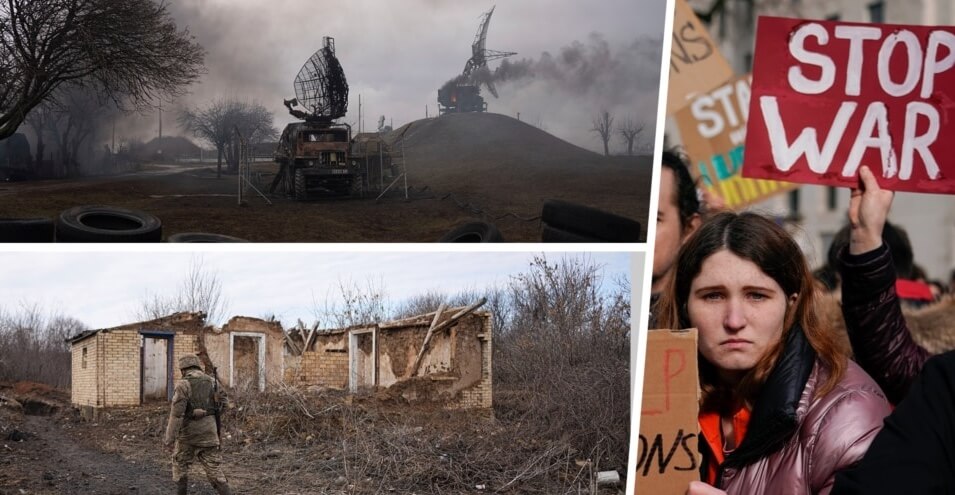
December 8, 2024, marked the end of a regime that, after fourteen years of civil war, had plunged the country into an unprecedented crisis. A swift opposition offensive shattered Damascus’s defensive lines and forced Assad to flee and seek refuge in Russia. According to international organizations’ estimates, this war left hundreds of thousands dead and millions displaced—wounds still felt throughout Syria.
The UN Independent International Commission of Inquiry on Syria, in its latest assessment of the country’s situation, has presented a multilayered picture: “Although the political transition process has begun, from this commission’s perspective it remains fragile, and Syrian society needs support and long-term patience to break the cycle of revenge and retaliation.”
The commission’s report states: “While many across Syria will celebrate this anniversary, others are concerned about their current security, and many will sleep in tents again this winter. The unknown fate of thousands who forcibly disappeared remains an open and painful wound.”
The commission, which has been documenting human rights violations in Syria since 2011, while welcoming the new government’s measures to address past crimes, warned that post-regime violence has again led to forced displacement of people and increased ethnic and sectarian tensions.
While some areas of Syria hold celebrations marking the anniversary of the previous regime’s fall, the Alawite community from which Assad emerged has a different message. Ghazel Ghazel, head of the Islamic Council of Alawites in Syria and abroad, called on followers not to participate in these commemorations in a video message. He stated that since Assad’s fall, part of the Alawite community has been targeted in attacks. He also said: “Forced celebration is a form of imposition by a new and oppressive power.” He also called for a general strike from December 8 to 12.
According to human rights observers’ reports, since Assad’s overthrow, hundreds of people have been killed in sectarian attacks, particularly in coastal regions, with the death toll from this violence exceeding 1,700 people.
In the north and northeast, the Kurdish autonomous administration announced that due to increased activity by “terrorist cells,” any public gatherings are banned for the next two days. The administration, which established a self-governance structure in these areas since 2012, is now negotiating the gradual integration of its structures into the central government—negotiations that, according to Kurdish officials, are proceeding “slowly and with difficulty.”
Meanwhile, Reuters news agency has published an exclusive report unveiling actions that, according to the outlet, are aimed at destabilizing Syria’s newly formed government. The report states that key figures from circles close to Assad (including the former intelligence chief and one of his wealthy relatives) are transferring millions of dollars from their exile in Russia to equip tens of thousands of potential fighters within Syria to pave the way for new uprisings.
These findings, based on interviews with 48 people and review of financial documents, show that Assad loyalists are attempting to regain their lost influence—an issue considered a “major challenge” for the new government.
Following Assad’s overthrow, leadership of the country fell to Ahmad al-Shara, leader of the Hayat Tahrir al-Sham group. He was later introduced as president of the transitional period and now heads the transitional government, which is tasked with guiding the country from war and collapse toward a stable, legal political structure.