Uncertain Fate of ‘Dunya Hosseini’, A Dissident Voice That Won’t Be Silenced Under Heavy Sentences
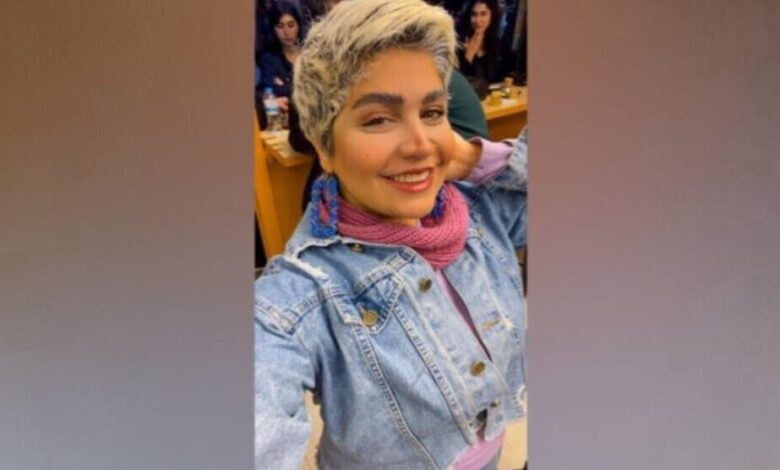
Judicial pressures on ‘Dunya Hosseini’ and the escalating pattern of security-related sentences in Iran reflect the suppression of critics and opponents by the Islamic Republic government.
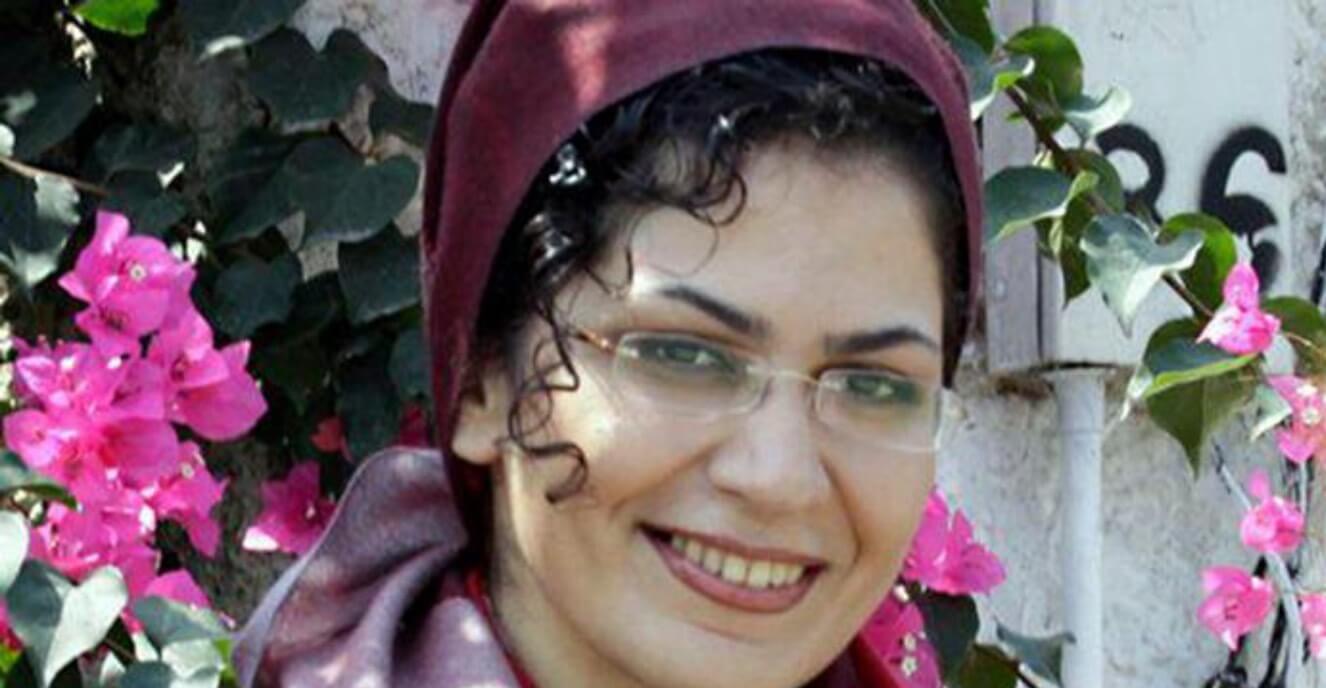
Dunya Hosseini, a Tehran resident and civil activist also known by the pseudonym ‘Dunya Azad’, has once again been subjected to execution of heavy security sentences. On December 30, she received a summons to the enforcement branch of Tehran’s General and Revolutionary Prosecutor’s Office, and on December 31, she was issued a travel ban via text message—a move indicating the judicial system intends to launch a new phase of prosecution against her.
Hosseini had previously been sentenced by Branch 26 of Tehran’s Revolutionary Court, headed by Judge ‘Iman Afshari’, to eight years and six months imprisonment and a monetary fine in two separate cases. Although five years of this sentence was suspended, the punitive portion remains in effect.
In November of the current year (2025), Branch 36 of Tehran’s Court of Appeals, headed by ‘Judge Khajasteh’, upheld her previous sentence and issued a new ruling sentencing Dunya Hosseini to three years and six months of punitive imprisonment on charges of ‘propaganda against the system aimed at strengthening the Israeli regime’—a charge that has been among the most common security-related labels applied against civil activists, journalists, and dissenting citizens for years.
Dunya Hosseini was arrested by security forces on June 16 and transferred to Qarchak Prison in Varamin; a prison that has been repeatedly criticized by human rights organizations due to poor conditions, particularly for female political prisoners.
She was ultimately released on a temporary basis on August 3 upon payment of an extremely hefty bail of three billion tomans. This amount, like many similar cases, serves more as a tool for compounded pressure on her family and relatives than as a legal instrument.
Hosseini’s legal case is not limited to this year. She was also sentenced in 2023 to five years suspended imprisonment and a monetary fine in a separate case. The sum of these sentences demonstrates that she is among those citizens caught in a cycle of security persecution, effectively facing new cases almost every year.
Dunya Hosseini, using the pseudonym ‘Dunya Azad’, was born on February 18, 1989, daughter of Gholamhossein, and resides in Tehran. Her media activities, social engagement, and presence on social networks have made her, in recent years, one of those figures whose statements and writings are monitored with special sensitivity by security agencies.
Without reliance on any external sources and considering the trend of recent years, it can be said that the increase in security-related sentences, the expansion of charges such as ‘propaganda against the system’, ‘disturbing public opinion’, and pressure on civil activists constitute part of Iran’s judicial policy in dealing with social protests and the media landscape.
In many of these cases, charges are highly general and subject to interpretation. Courts are held behind closed doors, sentences are issued by judges known to be active in political cases, and astronomical bail amounts are used as tools for controlling and restricting citizens.
Dunya Hosseini’s case follows the same pattern—a pattern that human rights organizations consider a clear violation of the right to freedom of expression and peaceful opposition. From the perspective of many Christian observers and civil liberties advocates, the pressure on individuals like Dunya Hosseini is part of a broader crisis facing Iranian society: ‘the suppression of dissent, the silencing of independent voices, and security-based treatment of any form of criticism.’
These reports hold particular significance for audiences of Christian media outlets, as the messages of popes, bishops, and church leaders regarding human dignity, freedom of conscience, and justice stand in direct contradiction to such cases.
With Hosseini’s recent summons, the likelihood of executing the punitive portion of her sentence has increased more than ever before. It remains unclear whether the court intends to activate all convictions or only some of them; but what is clear is that Dunya Hosseini has entered another difficult path, a path that many Iranian civil activists have walked before her.