The Danish Model, A Fresh Blow to Refugees in Britain
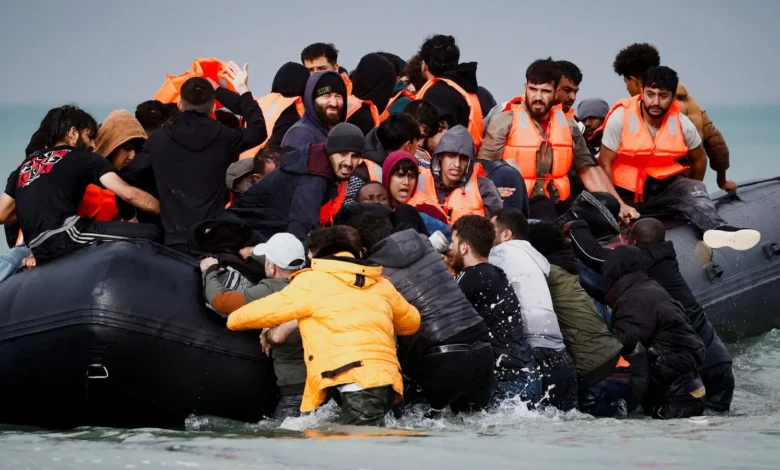
With the implementation of the “Danish Model,” refugees in Britain, particularly Iranian Christians, have faced a fresh blow, putting them increasingly at risk of being forced to return to Iran.
The British government is undergoing a deep and rigorous review of its immigration system that could play a highly decisive role in the fate of thousands of refugees. According to international reports, Shabana Mahmood, Britain’s Home Secretary, is set to introduce reforms, many of which are designed based on Denmark’s strict model for asylum.
According to the new plan, the criteria for obtaining “permanent residence” will be severely restricted. Refugees will no longer automatically receive permanent residence after a certain period, but will have to meet much stricter conditions.
One of the proposals is to extend the period required for regular (temporary) residence, and lengthen the timeline for “citizenship” applications. Clauses for “social participation” will be added as a condition for residence. Applicants must demonstrate employment history, non-receipt of state benefits, volunteer work, and proficiency in English.
The government also intends to pursue certain changes to human rights laws to increase the possibility of faster deportation of refugees. In the new Home Office guidelines, individuals who have experienced “dangerous travel” (such as illegal entry by small boat) may be stripped of the right to British citizenship; it is estimated that up to 71,000 people could be affected by these changes.
The British government has directly borrowed part of its reform model from Denmark’s approach; Denmark is well-known for its strict policies on asylum. In Denmark, many asylum seekers are only granted temporary residence, and the process of obtaining permanent residence and citizenship is much more difficult.
This policy, which includes restricting family reunification and reconsidering the role of human rights, has led to a dramatic decrease in asylum applications.
The Home Office announced that these reforms would be “the biggest review to tackle illegal migration in contemporary times.” Government officials say that the increase in illegal migrants has been the result of “excessive generosity” and “ease of access to permanent residence.”
According to the Home Office report, individuals who use illegal entry or have entered via dangerous routes should not have full citizenship rights.
These new policies could have a profound impact on the lives of refugees: those who do not receive permanent residence will have more uncertain lives in Britain. Financial, linguistic, and volunteer commitments could be a heavy burden for many newly arrived individuals or those who are already vulnerable.
Severe restrictions on citizenship rights could lead to the creation of “second-class citizens”; those who have residence but are deprived of full citizenship rights. Human rights concerns are also raised, particularly regarding the return of refugees to countries where they may face danger.
The most critical aspect of these changes for Christian refugee communities (particularly Iranian Christians) is highly sensitive. Many Iranian refugees, including Christians, have sought asylum in Britain due to fear of religious persecution. If the possibility of permanent residence or citizenship is restricted for this group, returning to Iran could put them at serious risk, as they may face threatening religious, political, or human rights consequences upon return.
From a human rights perspective, these reforms could be a step toward limiting genuine support for refugees. Although the British government cites “controlling illegal migration” as its reason, excessive strictness in the asylum system could mean a dramatic reduction in opportunities for individuals who genuinely need protection.
For the international community and refugee rights advocacy organizations, this decision is a test: does Britain want to continue asylum as humanitarian protection, or view it as merely a security policy?