Chinese Students Forced to Declare Atheism, New Threat to Religious Freedom in China
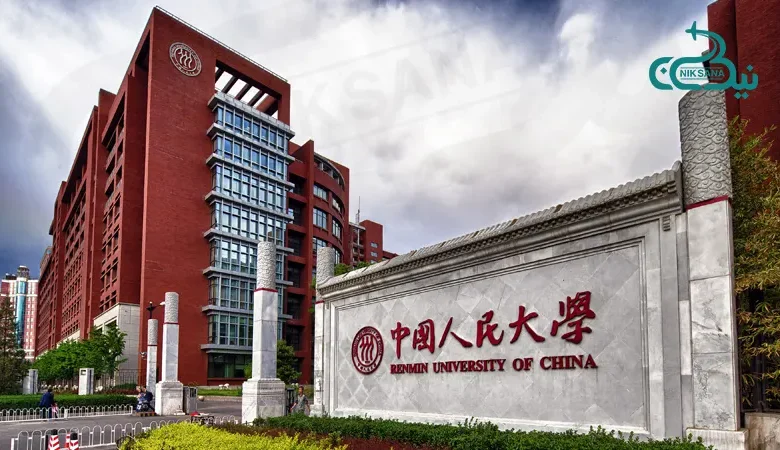
An action by a technical college in China forcing students to declare atheism has once again raised concerns about the future of religious freedom in the country.
A recent action by a technical college in China has sparked a wave of reactions and concerns about expanding restrictions on religious freedom in the country. According to China Aid, an internet-based human rights organization, the Tianjin Mechanical and Electrical Technical College’s online system forced students to select the option “no religious belief” in their personal information forms.
The human rights organization reported that students are forced to declare themselves as “atheists” or “non-believers.” This action, which effectively constitutes forced denial of religious beliefs, has faced strong criticism from religious freedom advocates and Christian organizations.
The Evangelical Alliance stated in response that it had indicated in 2022 that President Xi Jinping harbors an aversion to Christianity and fears attempts by external forces to overthrow the government through religion, particularly Christianity.
Multiple reports from China show that the government has pursued a coherent policy in recent years to restrict the presence and activities of Christianity. According to documents released by the United States Commission on International Religious Freedom (USCIRF), Chinese authorities, under orders from the central government, have removed crosses from buildings and churches and replaced images of Jesus Christ with photographs of Xi Jinping.
Meanwhile, the Chinese government has imposed severe restrictions on religious activities involving children. Individuals under 18 years of age are prohibited from participating in collective worship, and the country’s education system has been tasked with promoting atheism and ideological loyalty to the Communist Party of China.
The New York Times also revealed in a 2016 report that Beijing authorities fear the “infiltration of religions,” particularly Christianity, and pursue a policy called “sinicization of religions,” aimed at aligning religious beliefs with the teachings of the Communist Party.
This recent action at Tianjin College represents another sign of the government’s increasing control over the faith and conscience of Chinese citizens, a process that many view as an organized effort to eliminate Christianity from the public sphere of China.
According to observers, such pressures not only violate universal principles of human rights but also reflect the Chinese government’s growing fear of the spread of Christian faith among young people and elites in the country.