Confirmation of Death Sentence for ‘Peyman Farahavur’ Buries the Voice of Justice Under the Ground
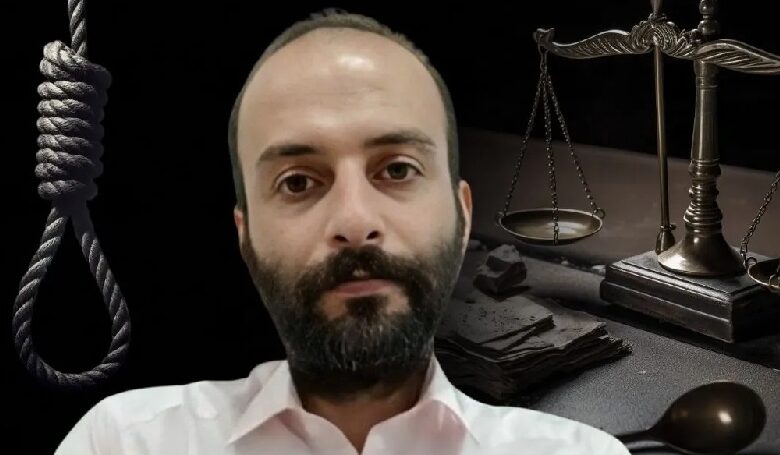
The confirmation of the death sentence for ‘Peyman Farahavur’ is a sign of continued repression that buries the voice of justice of the protesters under the ground.
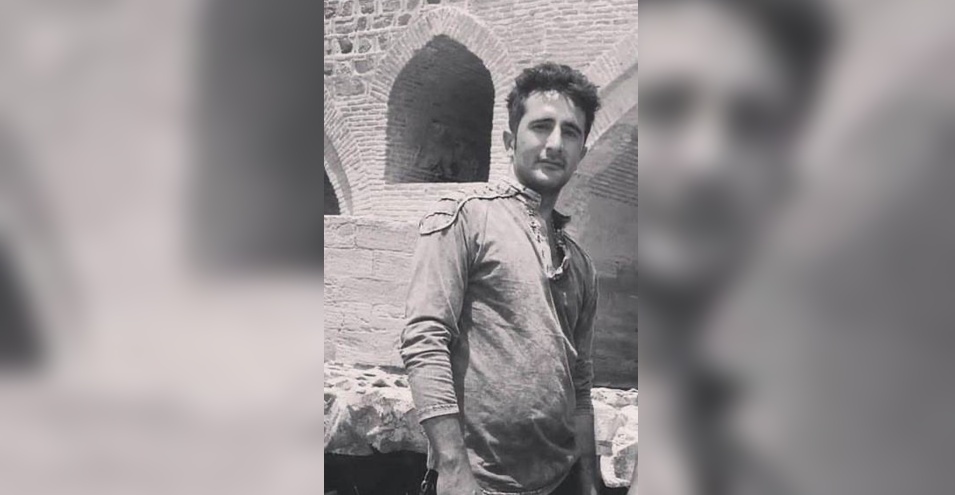
In a final decision made at Branch 39 of Iran’s Supreme Court, the death sentence for Peyman (Amin) Farahavur, a poet, civil activist and environmental advocate from Gilan, was formally confirmed. The sentence was upheld after examination and review of the case at the Supreme Court and was issued in closed session, without ensuring proper and open examination of the defendant’s legal defense rights.
Peyman Farahavur, who was arrested in September 2024, was tried after approximately eight months at the first branch of the Revolutionary Court in Rasht under the presidency of ‘Ahmad Darvaish-Goftar’. Peyman was convicted of charges of ‘moharebeh’ (armed rebellion) and ‘baghi’ (rebellion); charges that are commonly used in Islamic Republic judicial proceedings to suppress protesters and critics. During the trial process, Farahavur was deprived of the right to have a chosen lawyer and was not afforded adequate opportunity for a full defense.
Peyman Farahavur is the father of a ten-year-old boy, and his family now faces a human and moral tragedy; a child who should be looking forward to his father’s return, not living in fear of his loss.
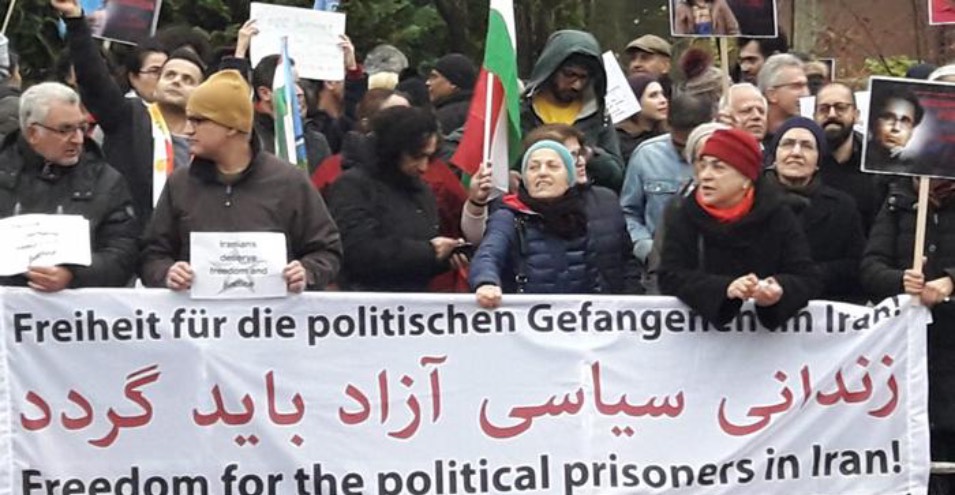
According to findings by the Iran Human Rights Campaign, the process of suppression in Gilan Province, particularly against poets, writers, civil and environmental activists, has continued in a systematic and intensified manner following the emergence of the ‘Woman, Life, Freedom’ movement.
In this province, multiple death sentences have been issued against political prisoners, and civil activists have faced heavy prison sentences or execution. This situation demonstrates that suppression is at a planned level and has been transformed through judicial mechanisms into a weapon against protest.
Political prisoners in Lakan Prison in Rasht are also held in deplorable conditions. One of the glaring deficiencies in the state of this prison is the failure to observe the principle of separation of crimes; meaning that individuals charged with political and common crimes are usually held in a shared section, which threatens their security and rights.
Over the past four decades, the Islamic Republic has repeatedly shown that it cannot tolerate opponents in any way—whether in politics, religion, or civil and cultural activities. What stands out regarding Peyman Farahavur’s case is not an independent and just judgment, but a repetition of the same suppressive pattern that has been applied against political prisoners in numerous cases.
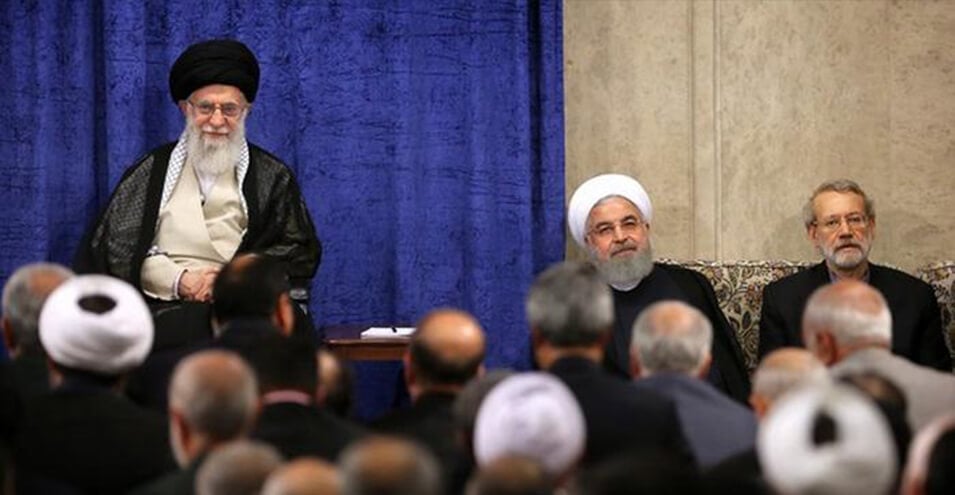
It does not matter whether a person is at the top of power or at the bottom; even if clerics stand against oppression and raise their voices, their resistance in this system is sometimes punished. The Islamic Republic prefers to silence the voice of opposition through judicial and security power, not through discussion and debate, but through execution, imprisonment, and threats.
In this context, the confirmation of the death sentence for Peyman Farahavur, who merely sang songs of protest, carries this bitter message: anyone in Iran who takes a step against the official current has lost the rhyme, even if their pen is their only means of protest.