Death of ‘Samiyeh Rashidi’ Another Testimony to the Brutality of the Islamic Republic’s Prison System
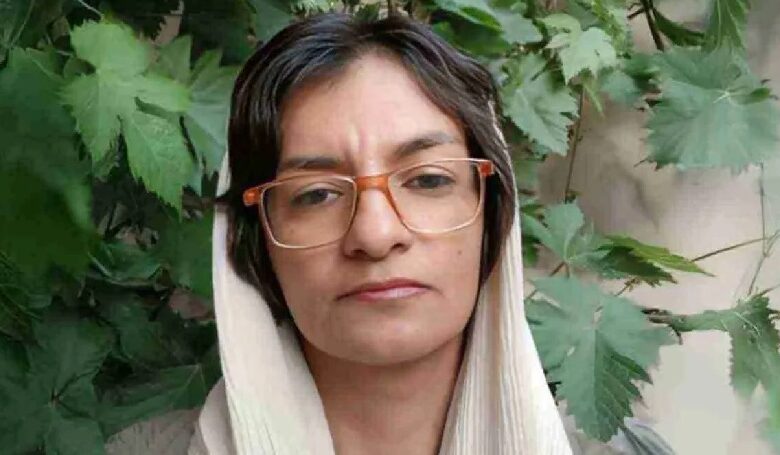
The death of ‘Samiyeh Rashidi’ following deprivation of treatment once again demonstrates the inhumane treatment of political prisoners by the government.
Samiyeh Rashidi, a 42-year-old political prisoner, died today Thursday, September 3, 1404 (September 25, 2025), after several days in a coma at ‘Moftah Hospital’ in Varamin. The news of her death was confirmed by Mizan News Agency, affiliated with the Judiciary.
According to sources close to Samiyeh, she was a seamstress who was arrested in Ordibehesht of the current year on charges of ‘propaganda against the system’ and allegations related to slogan-writing. After some time in detention at Evin Prison, she was transferred to Qarchak Prison. Cellmates and family members have reported that she suffered from repeated seizures and severe headaches over months and repeatedly needed serious medical attention.
According to reports from her cellmates, whenever Rashidi’s condition worsened, prison health officials called her symptoms ‘malingering’ and refused to send her to a hospital or provide necessary care, until finally she fell into a coma. According to relatives, she was only transferred to the hospital as an emergency after a severe seizure and collapse. This pattern of procrastination and neglect of the medical condition of political prisoners had previously been repeatedly reported by human rights organizations and media outlets.
The Judiciary and Mizan News Agency, in an effort to justify the incident, while confirming her death, mentioned Rashidi’s security and administrative record and claimed that she was also arrested in 1401 and 1402 on charges of ‘connection with a dissident group’ (referring to the People’s Mujahedin Organization) and after her release was again accused of connection with that movement.
They also claimed that the family ‘refused’ to provide bail. This type of official narrative has always been used as a way to cover up failures in providing medical care to prisoners. A government that sacrifices the lives of protesters and prisoners in its power games.
The death of Samiyeh Rashidi is not an isolated incident, but part of a recurring pattern. The suppression and medical deprivation of political prisoners that is often met with official narrative-making. When responsible authorities call a prisoner’s medical warnings ‘malingering’ and when the time to transfer to a hospital is delayed, the result is nothing but the loss of a human life and the humiliation of their family. The Iranian government, through such actions, demonstrates that it views the lives and dignity of political prisoners and religious minorities as tools of pressure and punishment, not as a human and legal responsibility.
Depriving political and ideological prisoners of access to proper treatment is a clear violation of human rights and requires immediate follow-up by independent human rights organizations and the international community.
Official narratives about Rashidi’s security record and the family’s alleged refusal of bail are often presented to diminish government responsibility; however, her family and cellmates are eyewitnesses, and their statements should not be easily disregarded.