Iranian Government Begins Arresting Citizens on Espionage Charges

The arrest of dozens of people in various Iranian cities marks the beginning of an intense wave of arrests of citizens on espionage charges.
Following the collapse of the ceasefire, the spokesman of the judiciary announced in a statement that the law has been eased to intensify dealing with citizens accused of espionage.
“Ali Asghar Jahangiyer,” the spokesman of the judiciary, on June 24 (June 3 in the Persian calendar) in a press conference in Tehran, while referring to the arrest of dozens of people in various Iranian cities on espionage charges, said: “If we wanted to prosecute many of the individuals we arrested during the war with Israel under the current espionage law, we would face limitations and constraints; however, the parliament has given us free hands to punish infiltrators and spies in an exemplary manner.”
On Monday, the general principles of a bill in the Islamic Consultative Assembly titled “Bill to Intensify Punishment for Espionage and Cooperation with the Zionist Regime and Hostile States” were passed. According to the bill presented, “any intelligence activity and espionage is considered corruption on earth (Fasad-fil-Arz), and its punishment is execution.”
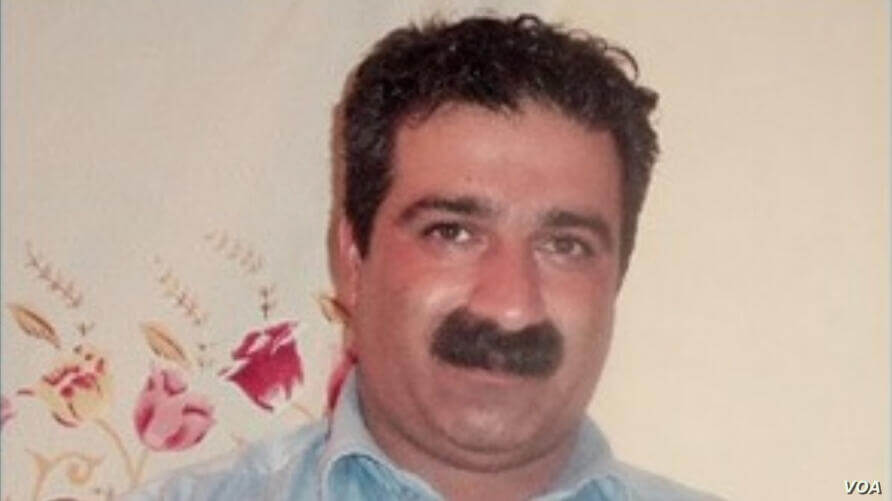
The passage of this bill coincided with the announcement of the execution of “Mohammad Amin Mahdivar Shayesteh” on charges of cooperation with Israel. In addition to Mohammad Amin’s execution, the judicial system has executed three other Iranian citizens on espionage charges in less than ten days.
An examination of reports regarding the charges against the three individuals who have been executed since the beginning of the Iran-Israel conflict shows that all three were sentenced to death on similar charges and general grounds, and their court proceedings were held behind closed doors. Precise and clear information about the course of their trial is not available. The only information released is information disclosed by the Iranian judicial system, in which it is emphasized that the complete legal proceedings process regarding the defendants was observed.
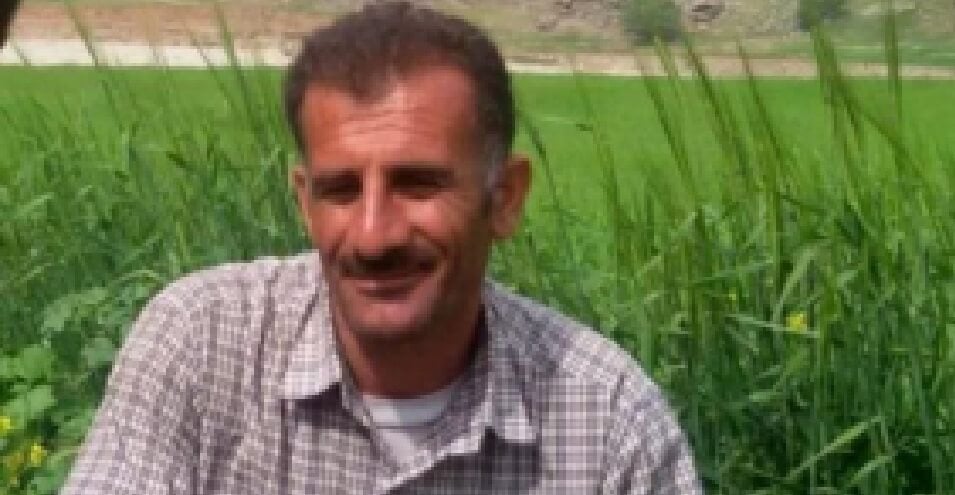
“Majid Mosibi” is one of those executed who was executed behind closed doors on Sunday, June 1 in the Persian calendar, and no details of his charges are available. The judicial system announced regarding his execution: “Majid Mosibi was arrested and tried on charges of providing intelligence cooperation and espionage in favor of Israel in the capacity of waging war and corruption on earth, and after completing the full criminal legal proceedings and confirmation of the verdict by the Supreme Court, he was executed.”
The Islamic Republic regime had repeatedly arrested critics and opponents on espionage charges even before this bill was passed, and had even sentenced them to execution through heavy trials and forced confessions, sending them to the gallows. The case of “Maziar Ebrahimi” was one of those controversial cases in which he was forced to make false confessions against himself in the “assassination of nuclear scientists” case. He later revealed that he was subsequently paid compensation to withdraw his complaint.
Although the general principles of the espionage bill have been passed in parliament and the details of this bill have not yet been placed on the agenda, security and military institutions have arrested citizens on espionage charges. On Tuesday, June 3 in the Persian calendar, the Revolutionary Guards in Hamadan announced the arrest of six people on charges of publishing materials about Israeli attacks on cyberspace.
The prosecutor of Kermanshah also announced today the arrest of 115 citizens in the province on charges of “propaganda against the system and security.” He also claimed that a European spy was arrested, but provided no information about his identity.
The head of the Information Police of Qom province also claimed that 22 Israeli spies were arrested in Qom. Simultaneously, the deputy prosecutor general and revolutionary prosecutor of Yazd announced that a non-native spy linked to Mossad was arrested in the province.
Following the beginning of the Israel-Iran conflict, a wave of arrests, executions, nationwide internet shutdowns, restrictions on information dissemination, arrests of critics, opponents of the system, and media and civil activists have made the political atmosphere more closed, and pressure on civil activists, people, and even artists has intensified.
Media activists and social media users expressed their concerns about the current situation, and their main discussion revolves around the fact that if the Islamic Republic regime does not fall and the government remains in place, the likelihood of arrests, suppression, serial executions, and mass detention will be far greater than before, and the Iranian people will endure much greater pressures, even beyond the arrests and suppression of nationwide protests in 2022.