Israel Seeking Opportunity to Assassinate Khamenei and Strike Iran’s Nuclear Program
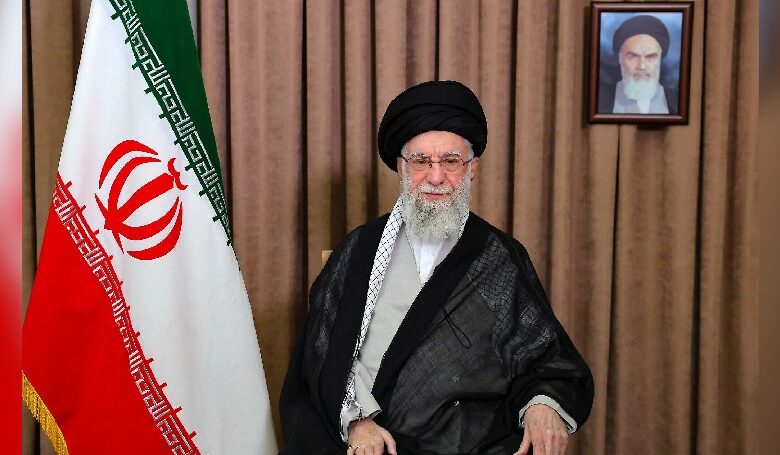
Israel discussed in secret meetings “killing Khamenei” and destroying nuclear facilities.
Israeli Channel 13 released on Monday, September 15 (September 24 in the Iranian calendar) portions of confidential negotiations among senior security and military officials of the country. According to the report, in a meeting held on the evening of June 13 at one of the shelters around Jerusalem, various options for striking Iran’s nuclear and political structures were examined, ranging from attempts to assassinate Ali Khamenei, the leader of the Islamic Republic, to weakening sovereignty and forcing Tehran residents to evacuate the capital.
Benjamin Netanyahu, at the beginning of the meeting, said while emphasizing the gravity of the situation: “We are at a historic moment. If we do not take action, Iran will obtain tens of thousands of kilograms of nuclear explosive material. If we do not take action, we will not exist.”
He also stated that the target of the attacks was “nuclear scientists and Iran’s government command centers.” Based on released documents, military commanders planned to target Natanz facilities, reduce enrichment capacity, and cause damage to uranium conversion sites. One commander stated in the meeting: “Fordou site will only be destroyed if America attacks, because only Washington has the necessary bunker-busting bombs.”
Some documents show that efforts to gain Washington’s cooperation and pressure the American government to participate in the attacks intensified in subsequent meetings. According to Channel 13, Israel’s Minister of Strategic Affairs reported that Netanyahu, in a phone call with Donald Trump, pressured for sending refueling aircraft and targeting Fordou.
The channel also writes that Israeli officials were seeking an opportunity to assassinate Khamenei. In one of the meetings, Bezalel Smotrich said the leader should be found. Defense Minister Yisrael Katz also confirmed that such a target was on the agenda but a suitable opportunity did not materialize. Netanyahu, on June 26, said about the possibility of targeting Iran’s leader: “I won’t go into details so everything remains open.”
Donald Trump also announced on June 27 in a post that he is aware of where Khamenei is hiding but currently does not intend to kill him, writing: “We are fully aware of where the so-called ‘Supreme Leader’ is hiding; he is an easy target, but is safe in his current location. At least for now, we do not intend to remove him.”
Israeli media reports indicate that in the mentioned meetings, discussions about targeting Iran’s civilian infrastructure, including refineries, were also raised. Yisrael Katz said in one of the meetings: “If Iran strikes our power plants, we will not hesitate and will strike their civilian infrastructure as well.”
Channel 13 listed the reported damages from the short conflict as follows: “Israel says it destroyed more than 120 Iranian missile launch platforms and targeted command centers; in response, Iran reacted with over 500 ballistic missiles and approximately 1,100 drones, resulting in 31 deaths and over 3,000 wounded in Israel, and at least 13,000 people forced to leave their homes.”
Eyal Zamir, Chief of Staff of the Israeli Army, reported in one of the meetings that the initial attacks achieved extraordinary results and Iran launched fewer missiles than expected.
Some security officials proposed ending the war, but Netanyahu countered this proposal, emphasizing: “Ending the war is not on the agenda. We will continue until we achieve our goals. We are on the verge of victory and our people are strong.”