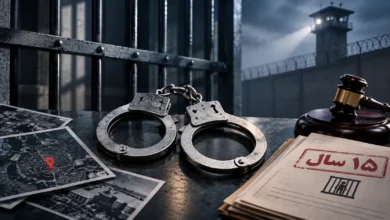
Arrest and Torture of ‘Mohsen Alizadeh’ as an Example of Suppression of Protesters in Iran
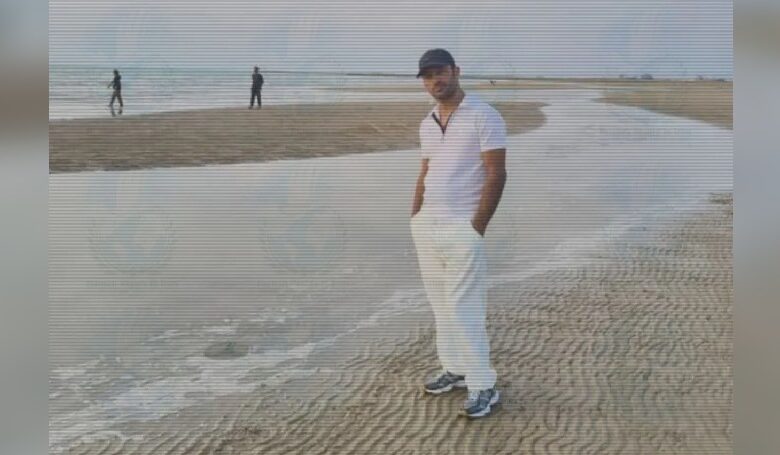
The arrest and torture of “Mohsen Alizadeh Banari”, a fresh example of the suppression the government has launched against its opponents.
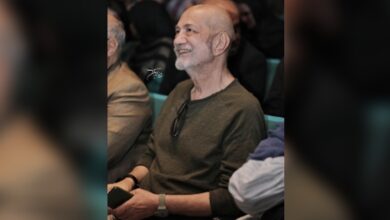
According to informed sources, “Mohsen Alizadeh Banari”, a citizen from Gachsaran, was arrested on Saturday, September 8, 1404 by Sepah intelligence forces for participating in a protest gathering against repeated power outages in front of the city’s governorate office. After several days in detention and enduring severe torture that resulted in a dislocated shoulder, he was finally released on bail on Thursday, September 13.
These sources say that Alizadeh had previously been arrested on August 21 and transferred to an undisclosed location. During that raid, officials searched his home and confiscated items such as his laptop and mobile phone. He also has a history of detention during the nationwide protests of November 2019; protests that were accompanied by bloody and widespread suppression and led thousands to prison and dozens of innocent citizens to death and bloodshed.
Mohsen Alizadeh’s case is just one example of the Islamic Republic’s systematic suppression. Over the past four decades, the government has shown that no segment or group is safe from it; from journalists and civil rights activists to workers, students, protesting women, and especially religious minorities. Bahai’s, Gonabadi Dervishes, Christians, Sunnis, and even Shiites who have been critical of the current situation have constantly faced unlawful arrests, social deprivation, and lengthy prison sentences. Baseless accusations, forced confessions, and torture have become standard practices of security apparatus.
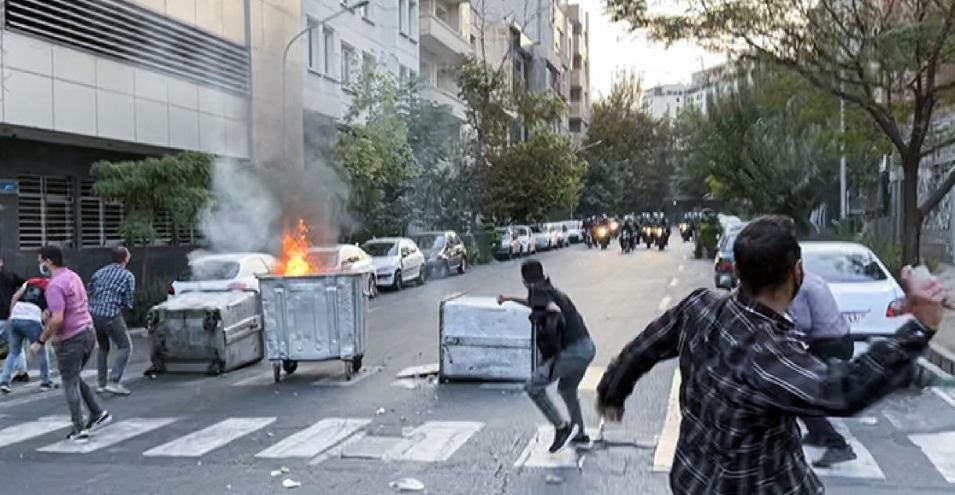
On the other hand, the critical economic conditions in Iran, widespread unemployment, rampant inflation, and the collapse of the national currency’s value, make people’s lives harder every day. Continuous power outages, rising prices, and widespread poverty are the main grounds for street protests. But instead of being accountable, the authorities know no way but suppression. Just as the protests of December 2017, November 2019, the uprising of 2022, and even smaller professional and local gatherings, all faced bullets, arrests, and imprisonment.
The Islamic Republic government, instead of listening to the voice of the people, pursues a permanent policy of intimidation and terror. Mohsen Alizadeh Banari’s arrest showed that even protests against power cuts, a simple livelihood issue, are met with torture and imprisonment. This approach shows that the rulers feel threatened by the smallest social discontent and create imaginary enemies out of minorities and protesters so that by suppressing them, they can cover up their legitimacy crisis.
The reality is that the Islamic Republic has been imprisoning its critics and opponents for years regardless of ethnicity, religion, or social class, and destroys their lives with security labels. From Gachsaran to Tehran, from Kurdistan to Sistan and Baluchestan, and from protesting women to religious minorities, all face the true face of a government that resorts to torture and suppression to maintain power and does not recognize even the most basic human rights of its people.