Children: Gifts from God or Commodities for Smuggling and Trading
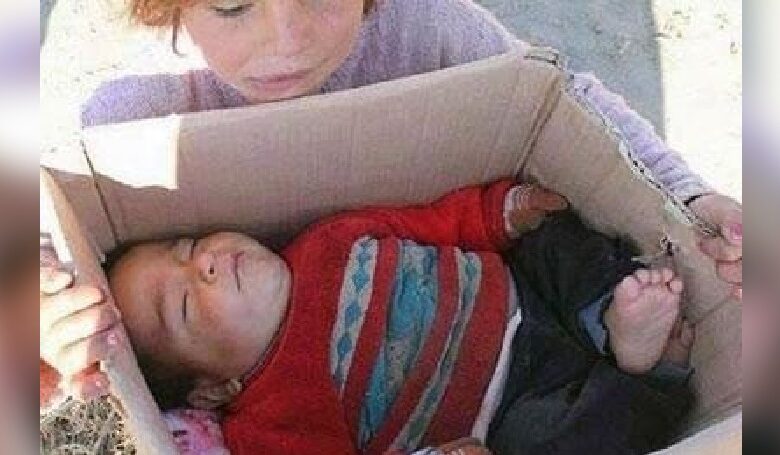
A shocking report reveals the increasing bitter phenomenon of infant sales and trafficking from the streets of Mashhad to virtual spaces.
“Let the children come to me, and do not hinder them; for the kingdom of God belongs to such as these.”
Luke 18:16
In today’s Iran, children who should be symbols of hope and the future have become smuggled commodities in the black market. A market that has expanded from the streets of Mashhad to Instagram pages.
A shocking report about a case in Mashhad was published on social networks that breaks the heart of any human being. Cases that may never be revealed and addressed, remaining hidden for years. In Esfand 1403 (February 2025), Mashhad police identified an infant trafficking ring. This trafficking network consisted of two sisters and several accomplices who, by exploiting the poverty and addiction of mothers, purchased their infants and sold them to infertile couples.
One such tragic case involved a 23-year-old mother who, due to severe poverty, sold her one-year-old daughter for 60 million tomans, but later regretted the sale and requested her child back. The buyer who purchased the child demanded a sum exceeding 60 million tomans to return the child, which increased the psychological and financial pressures on the mother.
Another case recently revealed indicates the discovery of a professional infant trafficking ring. Police in the outskirts of Tehran in the final months of 2024 discovered a professional infant sales ring. This group, in cooperation with some doctors and intermediaries, purchased infants from vulnerable mothers and sold them to domestic and foreign buyers. In one of these reports recently exposed, a male infant was traded for 1 billion and 800 million tomans, with the buyers residing outside the country. This case demonstrates that infant sales and trading have extended beyond Iran’s borders.
In the latest report concerning the past few weeks but recently published on social networks, it shows that the Cyber Police in Tehran arrested a ring active on Instagram that sold infants aged 20 days to two months for 40 to 50 million tomans. Promising fake identity cards was one of this ring’s tricks, but police stated that no identity cards were ever issued. In this case, two living infants were discovered at the time of arrest and handed over to welfare authorities, but a third infant remains missing.
These infant and child trafficking rings are only examples of numerous networks that have become active in virtual spaces in recent years. From winter 1399 to today, the Cyber Police has repeatedly identified and filtered various websites and Instagram pages that openly or secretly engaged in advertising and selling infants and children.
In Bahman 1400, a group was arrested in Tehran for selling a 15-day-old infant for 120 million tomans. In Ordibehesht 1401, a group in Mazandaran was arrested for selling infants for a total of 2 billion and 100 million tomans.
These networks, beyond selling infants, trap vulnerable families with false promises of obtaining identity cards and legal documents. The deeper roots of these crises are destitute mothers and addicted women who cannot care for their own children.
Moreover, weak laws and oversight, legal gaps, and incomplete implementation of anti-human trafficking regulations have helped these rings expand to the point where abuse of social networks and various websites has increased this phenomenon. Society’s and various institutions’ negligence regarding this crisis and the voiceless cry of children has deepened these crises. However, children are God’s pure treasures, not worthless commodities to be traded in markets or trafficked to the ends of the earth. This bitter reality is a call to the conscience of churches and international organizations not to remain indifferent to this injustice.
When children are sold or trafficked, all humanity loses. It is time to act instead of remaining silent and to hear the voices of the voiceless.