12 Baha’i Citizens Summoned to Court and 3 Baha’i Citizens Sentenced to Pay Fines
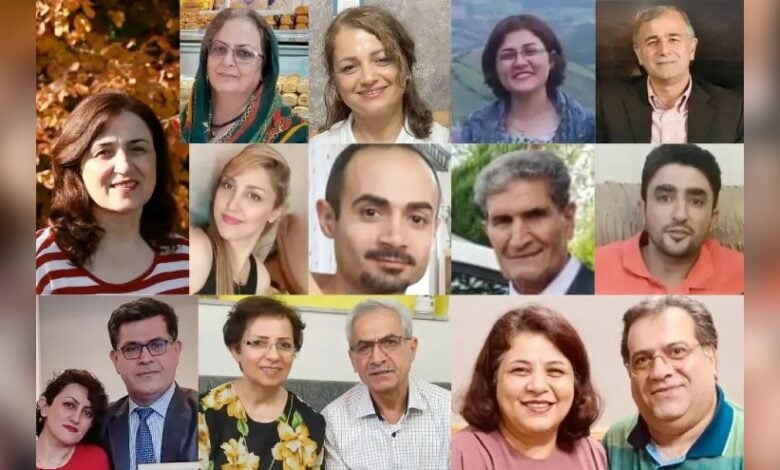
The Sari Revolutionary Court summoned 12 Baha’i citizens to court and sentenced three citizens to pay monetary fines.
The Sari Revolutionary Court will hold hearings from April 18 to May 8 to review charges against 12 Baha’i citizens residing in Qamshahr. Additionally, three other cases that had been under review since last month have been sentenced to pay monetary fines ranging from 30 to 40 million tomans.
The 12 citizens named Sohrab Loghaei, Zahra Golabyan, Fouad Loghaei, Emilia Fanaian, Hossein Fanaian, Nasim Samimi, Soheil Haghdoost, Raquel Attaian, Banafsheh Asadyan, Kiumarth Akbari, Anahita Koushkbaghi, and Melody Samimi were summoned to the first branch of the Sari Revolutionary Court upon receiving separate subpoenas for trial. The charges against these individuals are “deviant educational and propagandistic activities contrary to or undermining Islamic law,” to be tried by Judge Zoghi.
Three other Baha’i citizens named Fares Fanaian, Homan Taef, and Shirin Kathiri, who were tried in December 2023 by Judge Mirgholi Nasab in the second branch of the Sari Revolutionary Court, were sentenced respectively: Fares Fanaian to pay 30 million tomans, Homan Taef to pay 40 million tomans, and Shirin Kathiri to pay 30 million tomans in monetary fines.
The hearing of final defenses by these 15 Baha’i citizens was held separately from February 6 to 18 of last year in the sixth investigative branch of the Qamshahr Prosecutor’s Office, after which their cases were referred to the Sari Revolutionary Court. The judge cited their participation in evening gatherings marking the birth of “Seyyed Ali Mohammad Bab” and “Mirza Hossein Ali Nouri,” known as “Baha’u’llah,” the founders of the Baha’i faith, as evidence of the charges against them.
According to informed sources, during raids by Intelligence Ministry agents on these citizens’ homes, a total of 37 mobile phones, three tablets, two laptops, numerous property documents, land documents, personal vehicle documents, and various valuable items were seized. The Islamic Republic not only confiscated the property of Baha’is but has also previously seized and confiscated much property of Christians, and in many cases has auctioned their real estate.
According to a report by the “Human Rights Watch” organization on April 3 titled “Boot on my Neck: Iran’s Crimes Against Baha’is,” the Islamic Republic’s actions against Baha’is, as the largest unrecognized religious minority in Iran, constitute a crime against humanity.
The Islamic Republic not only persecutes unrecognized religious minorities but also oppresses and deprives recognized minorities, particularly citizens who have converted to Christianity.
The U.S. Commission on International Religious Freedom requested last year in its annual report to the U.S. government to refer the issue of suppression of religious minorities in Iran to the International Criminal Court and to seek legal prosecution of Islamic Republic officials for human rights violations and crimes against humanity.