Human Rights Lawyers and Judicial Advocates Warn Judiciary of Widespread Legal Violations in Protesters’ Cases
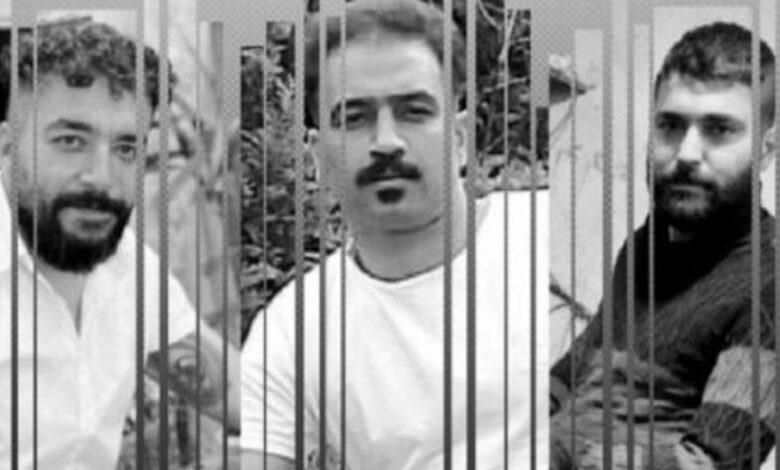
A number of human rights lawyers and judicial advocates have issued a serious warning to the judiciary through a letter regarding widespread violations of laws in the handling of protesters’ cases.
Following reports on the execution of death sentences against defendants in the case known as “Isfahan House,” in addition to the reactions of the Iranian people and solidarity with their families, a number of human rights lawyers and judicial advocates have also reacted to this widespread injustice and issued a statement regarding the death sentences attributed to the defendants.
This statement, addressed to the head of Iran’s judiciary and judges of the Supreme Court, while issuing a serious warning about widespread violations of existing laws in the process of handling protesters’ cases, called for the immediate cessation of execution of death sentences against all defendants, particularly those in the case known as “Isfahan House.”
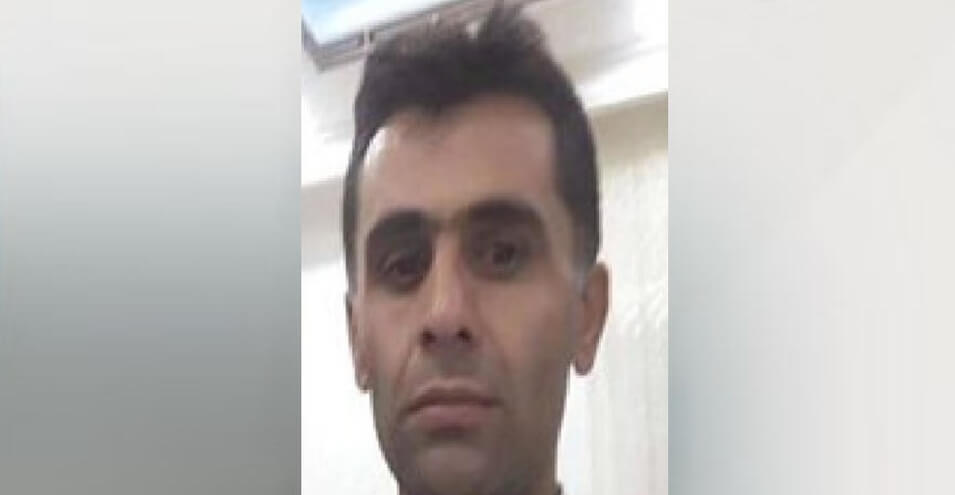
In part of this statement, it was noted that the judicial prosecution, investigation and conviction process of Said Yaqubi, Saleh Mirhashemi and Majid Kazemi (defendants in the Isfahan House case), as well as other convicts, has been conducted illegally and the principles of fair trial have not been observed in any of the cases.
Human rights lawyers, while stating that the confessions of the defendants in the said case were obtained under severe torture, declared: “These three prisoners did not have the right to access an independent chosen lawyer in the initial stages of trial, and reports have been published of them being tortured and held for prolonged periods in solitary confinement.”
Human rights lawyers and judicial advocates also challenged the sentences issued by the judiciary regarding the investigation of the Isfahan House case and wrote: “The basis of the verdict confirmed by Branch 9 of the Supreme Court is founded on the confessions and testimonies of the defendants against each other, all of which have been reported under the most severe torture and have changed in various stages of the trial. Consequently, in accordance with Articles 182 to 185 of the Islamic Penal Code, these reasons lack legal and judicial value. Furthermore, the testimony of defendants in one case against each other has no legal validity and lacks evidentiary value.”
Other human rights lawyers and advocates including Marzieh Mohbatee, Hossein Raeessi, Saeed Dehghan, Mohammad Amin Rad, Mohammad Oliaei Fard, Mohammad Moghimi, Mehrangiz Kar, Shirin Molki, Nirah Ansari, Moein Khazaeli, Sara Mohammadi Bayati, Ghassem Badie Banab, Hossein (Sina) Yousefi and Amir Mahdipur are among the signatories of this statement.
The above signatories also wrote to Mohseni Ejei regarding the fabrication of some documents: “The main basis of the verdict relies on the use of firearms to intimidate people, assault on the physical integrity of individuals and disruption of public order. However, regarding the weapons that formed the basis for issuing sentences for armed rebellion, sedition and corruption on earth, no specialized expertise has been conducted, and there is doubt about the relationship between the bullets and cartridges at the crime scene with the discovered weapons, the deaths of the victims and their attribution to the defendants. Similarly, some of the main documents for issuing the verdict, including images of one of the convicts with forged and fabricated weapons.”
Lawyers who joined the defendants and their families in seeking justice, while pointing to legal violations and document fabrication by judges and system officials, are attempting to save the defendants from execution of their death sentences.
But will the issuance of this statement and revelation of the truth lead to the cancellation of the execution of the defendants in this case?