The Unity of Iranian Nations
The story of Iranian unity in the face of foreign invasion goes back thousands of years, even centuries back. When Iran became Iran.
The Persian Empire was founded by Cyrus the Great in 550 BC. The only government that was formed based on respect for all nations, tolerance of different beliefs, various traditions, and other matters. Cyrus is the father of Iran. It was only because of his achievements that a country called Iran exists today.
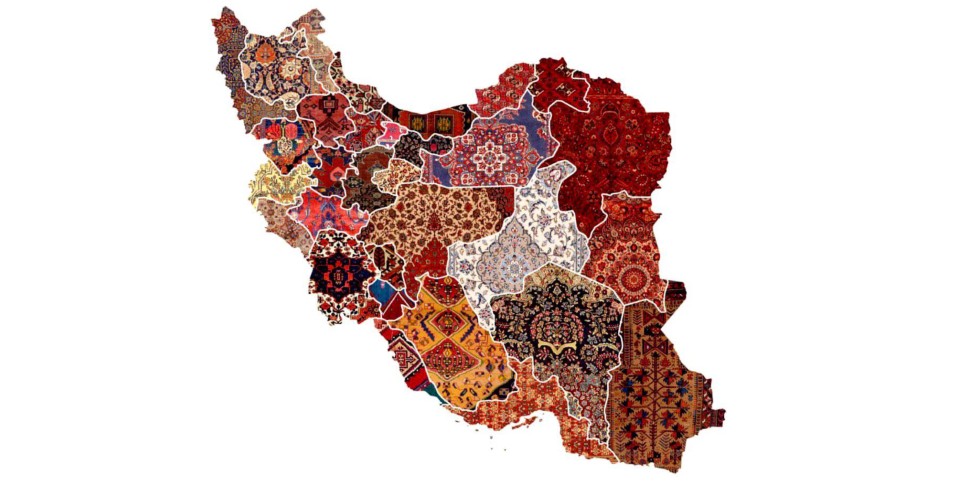
Persian culture has always been the dominant culture over all other cultures. Iran is also known as a multinational country. The Lur, Armenian, Azerbaijani, Kurdish, Arab nationalities and others each have their own unique customs and histories that are very ancient. The Bakhtiari tribe also belongs to the Lur community of Iran and was among the first nations to join Cyrus.
Iran is a country that has profoundly influenced the cultures and peoples of the world, including: Italy, Greece, Russia, Eastern Europe, Central Asia, the Arabian Peninsula, Southeast Asia, the Indian subcontinent, and East Asia.
The nations living in Iran also have counterparts outside Iran’s borders. These nations, despite cultural and ethnic diversity, all support Iranian identity. Throughout history, they have maintained friendly relations and unity among themselves and consider themselves to have Iranian identity.
Persian speakers are the largest ethnic group within Iran and are known as the dominant nation.
Native Azerbaijanis are Iran’s second ethnic group after Persian speakers and the largest ethnic group with Iranian culture.
The honorable Baluch nation is one of the Iranian nations living in southeastern Iran that has Aryan roots.
The Kurds, after Persian speakers and Azerbaijanis, are considered the third ethnic group in Iran.
Iran’s Arabs are also another Iranian nation that resides in the south and southwest of the country.
Throughout history, there have been many countries where between their rise and fall, there was only a span of centuries or even just a few years. Countries that, because of domination or ethnic nationalism and other powers, became the source of their disintegration and fragmentation.
There have also been many foreigners who, in their writings and decrees, have acknowledged this special characteristic of Iran. Augustus—the powerful emperor of Rome—instructed his successors never to attempt to conquer Iran and not to seek to cross the Euphrates, which was the border of Iran at that time; because crossing the border and threatening Iran is impossible. Even when conflicts in this country reach their peak, all Iranian nations are quickly guided toward unity. That is when no power can withstand this foundational flood.
That a land endures for thousands of years and its flag remains flying, and no invader can erase its name from history, demonstrates the special cultural characteristics and the unity and cohesion of its nations. Nations that want to shine in history and become eternal under one name and identity—that of being Iranian.
Our country Iran is one of the oldest countries in the world that, despite many ups and downs and bitter days it has endured, has remained steadfast and will continue to remain so with the unity and cohesion of its people.
The secret of this permanence lies in the unity that all nations have gathered to protect and preserve under the flag of Iran. A unity that, under the name of Iran, brings solidarity and joint effort for the survival of an ancient land.
Iran will never be torn apart and fragmented. Even with the departure of the clergy, it will not be torn apart. They are not part of the Iranian nation that would fragment our country by leaving. The land of Iran has nations that, with every culture and faith, defend their land at the cost of their lives. The nations of Iran are the children of Cyrus and do not allow Iran to fall into the hands of enemies.