Interior Minister Defends ‘Concerning’ Plan for Civil Society Organizations
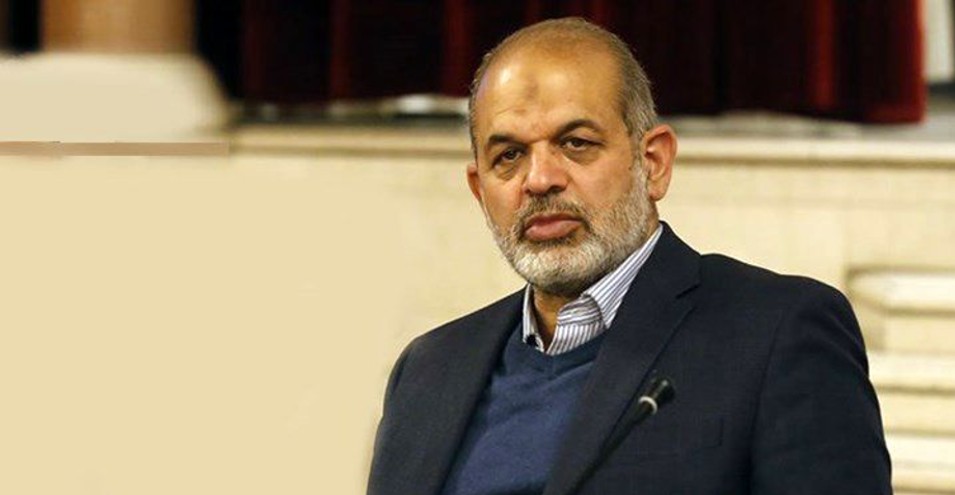
Iran’s Interior Minister defended a plan called “Protection of Associations” in an interview with ILNA news agency, a proposal that has sparked concerns among non-governmental organizations in Iran due to the involvement of the Revolutionary Guards’ intelligence organization in vetting individuals seeking to work with civil society groups.
Ahmad Vahidi said on Monday, September 5, in response to a question about the parliament’s new plan regarding civil society organizations that “raised concerns for these organizations,” that “there are no concerns in this regard.”
The Interior Minister claimed the plan is intended to allow civil society organizations to “quickly obtain the necessary permits and prevent the fragmentation we currently face,” and that there are no concerns about it.
However, civil society activists in a consultation session held in recent weeks told the newspaper “Etemaad” that one of the main objections of activists in this field is the involvement of military institutions in the process of vetting activists in this sector.
In this meeting attended by 10 analysts and experts in this field, it was emphasized that this approach “contradicts the spirit of civil and party activities and removes civil society organizations from their popular character, transforming them into tools in the hands of established governments.”
According to these experts, “there are several articles and clauses that create numerous problems in the path of civil society organizations’ activities. Generally speaking, the fact that vetting of applicants has been entrusted to the Revolutionary Guards’ intelligence organization is one of the main problems.”
According to the “Etemaad” report, “operating in the dark, attempts to restrict, involvement of state institutions in the matter, and… are part of the similarities this plan has with the cyberspace protection plan.”
Recent Iranian governments have consistently moved to increasingly restrict non-governmental organizations, and on Tuesday, Mahdi Amiri Pour, Deputy of Social Participation at the Organization of Social Affairs, said about the status of civil society organizations that “I can confidently say that out of 8,000 organizations registered with the Interior Ministry, between 15 and 20 percent are active.”
In one of the recent notable developments regarding non-governmental organizations in Iran, the charitable foundation “Imam Ali Society” announced on June 23 of this year that it had received approval for its dissolution order and described the issuance of its dissolution decree as part of the “weakening of civil institutions.”
Imam Ali Society is a civil charitable foundation that in recent years has been accused by some media outlets close to the Revolutionary Guards of operating against the system under the guise of helping the needy, accusations that the organization and a considerable number of civil activists reject.
United Nations human rights experts expressed serious concerns on Wednesday, June 15, about the “violent suppression” of civil society in Iran, including members of labor and teacher unions who were arrested for protesting low wages and poor working conditions.
Source: Rayo Fareda