Kurdish Political and Civil Activists Call for Release of Nowruz Ceremony Detainees
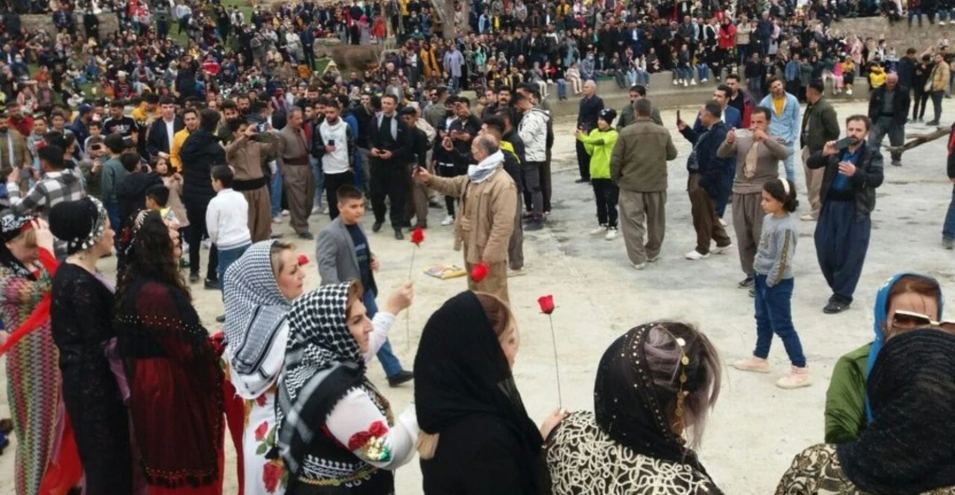
A number of political, civil and cultural activists from Kurdistan have issued a statement calling for the release of those detained during Nowruz ceremonies in Sanandaj.
In this statement released on Thursday, the 4th of Farvardin, these activists described the detentions of Nowruz ceremony participants as “improper conduct and violations of law, principles and fundamental human rights,” which “transformed the joy of the detainees’ families into sorrow, grief and anxiety during the first days of the new year and created a wave of concern in Sanandaj and other cities.”
Further in the statement, while emphasizing the necessity of “changing the approach toward cultural human rights and removing formal and informal restrictions,” the activists have called on officials to release the detained individuals.
Since the beginning of the year 1401, a number of citizens from Kurdish regions of Iran have been detained for participating in Nowruz ceremonies. No precise statistics on these detentions have been released so far, but according to reports, children and elderly individuals were among those detained, and the detentions continue.
According to reports, ceremonies in some Kurdish areas, including Ashkavah in West Azerbaijan, turned violent with the presence of special forces units, which used tear gas and rubber bullets to disperse crowds.
Human rights news sites also reported in the days before the new year that dozens of citizens from these areas were summoned and forced to sign written commitments preventing them from participating in Nowruz ceremonies by the information offices of various Kurdish cities.
According to these reports, district and county offices sent circulars to executive officials of Kurdish cities in the weeks before the new year, prohibiting the holding of Nowruz ceremonies in Kurdistan, the use of Kurdish flags, traditional costumes, red flowers, and mixed dancing and footstamping of women and men, while emphasizing the use of Iranian government symbols in new year-related ceremonies.
Source: Radio Farda