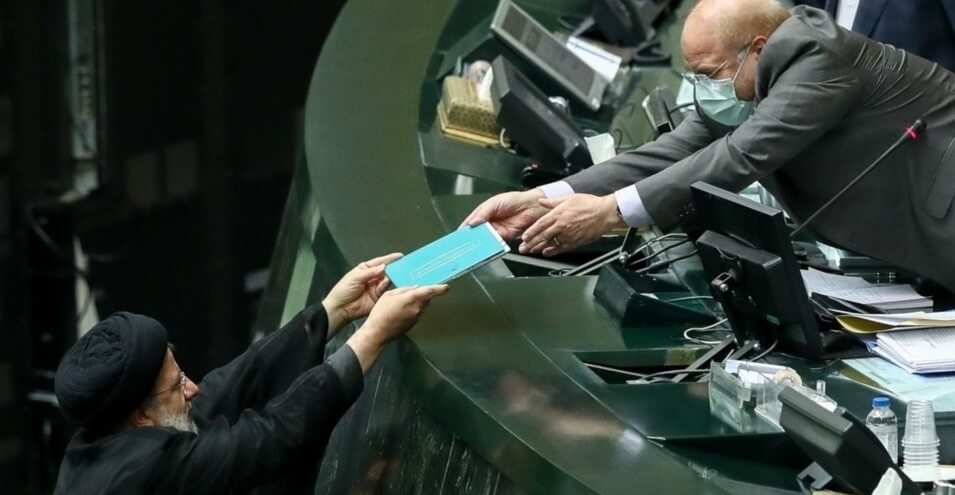
The 2023 Budget Document: A Symbol of Institutionalized Economic Instability
Iran’s economy in recent years, coinciding with the decline of coronavirus-related activities and conditions resulting from international sanctions, faces prolonged recession in productive sectors and high inflation in service and commodity areas.
The agenda of eliminating preferential foreign exchange rates is being seriously pursued by the thirteenth government despite repeated expert warnings about its impact on exacerbating prices and inflation, and so far contradictory decisions have been made regarding it.
Economist Farshad Momeni says: “This year’s budget document is a symbol of institutionalizing economic instability.” Stating that even basic rational axioms were not considered in drafting the 2023 budget document, he added: “This level of attention to manipulating key prices, particularly exchange rates, has been unprecedented in all governments since the revolution.”
This Iranian university professor stressed: “As long as the government’s financial behavior does not become honest, scientific, and evidence-based, there is no possibility of saving Iran.”
In this context, Steve Hanke, professor of economics at Johns Hopkins University, also told Voice of America: “Iran’s economic structure is severely ill.”
Expressing surprise at the large gap between the official and free-market exchange rates in Iran in recent years, he added: “Iran’s gross domestic product is like it was 15 years ago, which means chronic economic illness.”
While economic experts had warned for a long time about the inflationary nature of the 2023 budget, observations from the market indicate the government officials’ disregard for expert warnings and consequently the staggering growth of all prices in Iran.
These experts consider the elimination of preferential foreign exchange rates and the increase in consumption taxes as major inflationary factors in this year’s budget, saying: after the elimination of the 4,200 toman exchange rate, the government will compensate for its budget deficit by increasing taxes on consumers.
This is while Ebrahim Raisi, head of the thirteenth government, has said: managing the market is not a daily concern, but a concern of every moment, and every night when he goes home, until part of the night his phones are in contact regarding the issue of prices and market management with the goal of supporting people’s livelihoods and lives.
Source: Voice of America