Wave of Protests in Various Cities; Raisi: Control Prices
As concerns grow over the consequences of eliminating the preferential exchange rate, the head of Iran’s thirteenth government has asked members of the Market Regulation Headquarters to “control” prices, and a state bank has announced the issuance of “livestock cards” with credit provision from Iran’s Central Bank.
With the expanding impact of the Ibrahim Raisi government’s new economic decision, officials from various sectors are attempting to characterize the “inflationary effects” of liberalizing prices of essential goods as “minor and limited.”
- Concerns Over Price Liberalization
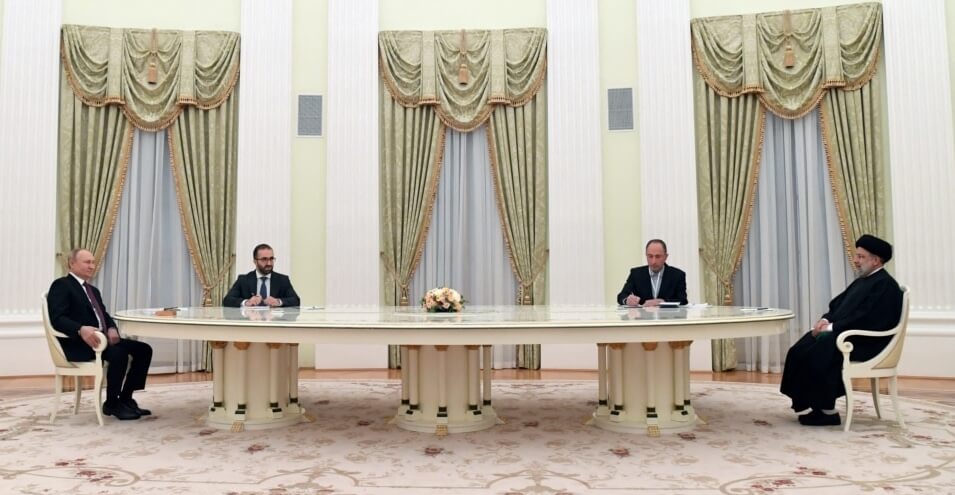
On Saturday afternoon, the fourteenth of Ordibehesht, Ibrahim Raisi held a meeting of the Market Regulation Headquarters. Referring to his presence at Tehran’s Bahman Square the previous day and a visit to a chain store, he spoke of concerns he witnessed among people there regarding price liberalization.
The head of Iran’s thirteenth government, stating that there have been “mismanagements” in the course of eliminating the preferential exchange rate, told the officials of “responsible agencies”: control prices so that “people are not harmed” and prevent any price increases above the “approved price.”
The official and multifold increase in flour prices and related products last week prompted Iran’s Agriculture Minister to appear before television cameras and say “we raised flour prices because of wheat smuggling,” but simultaneously some members of the Islamic Consultative Assembly announced summoning this minister and called the government’s recent decision to choose this “currency provision” method a “grave mistake.”
- Impact of Price Increases on Housing
The head of the Real Estate Consultants Union told the ISNA news agency that if price changes in items such as oil, dairy products and pasta “significantly affect the inflation index,” it may have “limited” impact on the housing market but will not cause “heavy price growth.”
Mostafa Gholi Khosravi, noting that the housing market is affected by parameters such as general inflation, parallel markets, housing production levels, construction costs, inflation of building materials and wage rates, added: “Recent changes in essential and food commodity prices have no significant impact on this market.”
Senior officials of the Islamic Republic government, including Ahmad Vahidi, Minister of Interior, have emphasized in recent days that eliminating the 4,200-toman exchange rate for flour and raising prices of some essential goods “chicken, eggs, dairy products and oil” should not affect the market, and no other commodity “has the right or permission to become expensive.”
- Creating “Discount Shopping” Locations
Meanwhile, the Acting Deputy Minister of Industry, Mining and Trade in commercial affairs has promised that once the system related to “electronic commodity codes” is completed and announced, people wishing to receive “cheap goods” can refer to specified locations.
Mohammad Sadegh Mofateh, regarding the spread of concerns about shortages of some items across the country, stated that since last week a task force has been formed in this ministry and “all production phases including supply and transportation of raw materials to factories and factory readiness for 24-hour production” have been “fully” planned in it.
Despite nearly eight months passing since the thirteenth government of the Islamic Republic came to power and the announcement of “immediate” solutions to the country’s economic problems by Ibrahim Raisi and government officials, the market situation and general livelihood reflect accelerating price increases and further decline in people’s purchasing power, to the point that even some supporters of this government who are followers of Ayatollah Ali Khamenei, the leader of the Islamic Republic, and who called it “revolutionary” have joined the ranks of its critics.
- Issuance of “Livestock Cards”
On the other hand, the CEO of the state “Agriculture” Bank, in conversation with Iran’s official IRNA news agency, announced the issuance of “livestock cards” with a credit ceiling of “200 million tomans” in line with government programs in what is called the “people’s privatization and equitable subsidy distribution plan.”
Mahdi Rezaei, announcing that the issuance of these cards “based on the order of the Minister of Agricultural Jihad” of the Ibrahim Raisi government began on Thursday, the twenty-second of Ordibehesht, added: “The credit provided by the Central Bank in this plan amounts to 263 thousand billion rials.”
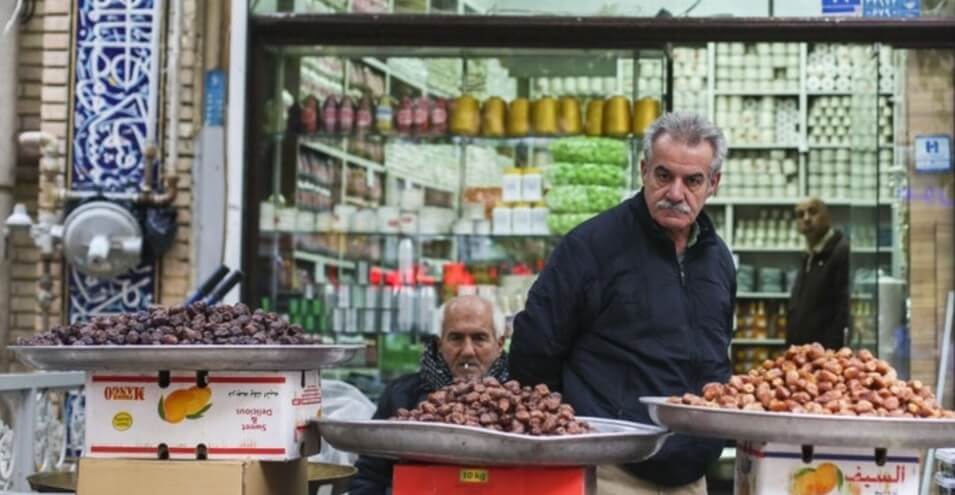
The official announcement of liberalizing the price of “consumed flour for trades and industries” alongside the elimination of the “4,200-toman preferential exchange rate” for some heavily consumed goods in Iranian households’ consumption basket has caused widespread protests against the Islamic Republic’s economic policies and citizens’ concerns about possible sharp increases in prices of other goods and services following the recent decisions of the Ibrahim Raisi government.
Source: Voice of America