Shortage of Health Facilities; A Report on the Problems of Tehran’s Grand Prison
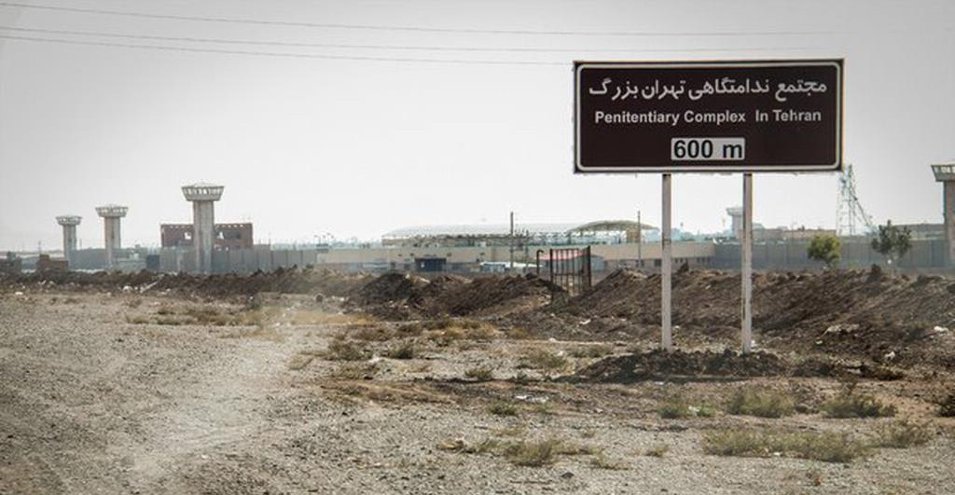
Hrana News Agency – Inmates confined in Ward 4 of Tehran’s Grand Prison face numerous problems in various areas. The following report addresses aspects of these problems, including health conditions, food and water, overcrowding of inmates, and lack of medical care.
According to Hrana News Agency, the news organization of the Iranian Human Rights Activists Network, inmates confined in Ward 4 of Tehran’s Grand Prison face numerous problems in various areas.
The negligence of authorities toward prisoner conditions and violations of inmate rights have made the conditions of imprisonment more difficult, especially during the coronavirus crisis. The following report addresses aspects of these problems, including health conditions, food and water, overcrowding of inmates, and lack of medical care.
Due to high population density, at least 8 to 10 inmates sleep on the floor in each cell. According to an informed source, for 290 inmates confined in Annex 1 of Ward 4, only 8 toilets and 8 bathrooms have been allocated, with two toilets being out of service due to malfunction. Additionally, inmates only have access to hot water showers in the mornings between 5:00 and 5:30 AM, and are deprived of hot water access during the rest of the day and night.
According to this source, monthly hygiene rations and items such as laundry detergent, shampoo, or razors are not allocated proportionally to the population. He told Hrana in this regard: “For a cell with 24 inmates, they give 4 packages of laundry detergent and for 6 people one small bottle of shampoo. Even due to these limitations, 2 inmates are forced to share one razor. This matter itself violates health standards and can lead to the spread of skin and infectious diseases.”
On the other hand, the prison’s medical facilities are also lacking necessary resources and are limited to prescribing painkillers only. The condition of many ill inmates worsens day by day due to lack of proper medical care and the negligence of prison authorities. Among them is Majid Kashvari, an inmate accused of public crimes who was transferred to Ward 4 of Tehran’s Grand Prison about 4 months ago to serve 2 years of punitive imprisonment due to the Qarchak Prison riot in Karaj in 2010. He suffers from a hair cyst in his abdominal area. According to an inmate who was recently granted leave, Mr. Kashvari constantly bleeds from this area and requires surgery, but since 4 months ago, despite repeated requests for hospital referral, he has been met with a lack of medical care. This is while he suffers from nerve and psychological problems and has previously attempted suicide several times.
Additionally, inmate food rations are inadequate and the quality of food in this prison is poor. Furthermore, prison store items are sold at double their original prices. This has made it impossible for many inmates without financial means to purchase food, hygiene items, and even drinking water.
Source: Hrana