Home Search and Seizure of Property from Narges Mohammadi by Security Forces
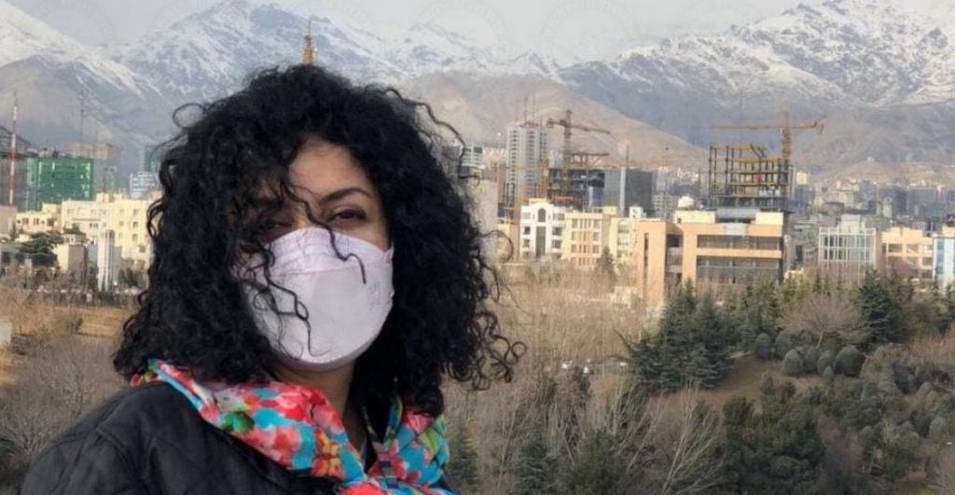
Hrana News Agency – The home of Narges Mohammadi, spokesperson of the Center for Human Rights Defenders, was searched by security forces on Wednesday, December 29. During this search, security personnel seized some of her personal belongings, including her books. Ms. Mohammadi was arrested by security forces in Karaj on November 16 and has since been held in solitary confinement in cell 209 of Evin Prison’s Ministry of Intelligence detention ward.
According to Hrana News Agency, the news organ of Iranian human rights activists, on Wednesday, December 29, 1400, the home of Narges Mohammadi, spokesperson of the Center for Human Rights Defenders, was searched by security forces.
Taghi Rahmani, Ms. Mohammadi’s husband, wrote in a note on his personal page, while announcing the news and the seizure of books such as “White Torture” during the search: “Narges remains in solitary confinement and without a lawyer. White torture continues.”
Previously, Mr. Rahmani had reported the continuation of Narges Mohammadi’s detention and unclear status despite more than a month having passed since her arrest in solitary confinement in cell 209 of Evin Prison, and informed of new charges being brought against her.
Ms. Mohammadi was arrested by security forces in Karaj on November 16 during a commemoration ceremony for the second anniversary of the death of Ibrahim Ketabdar, one of the casualties of the November 2019 protests. She was referred to Evin Prosecutor’s Office for charge notification on December 21 and was returned to solitary confinement. Taghi Rahmani, Ms. Mohammadi’s husband, had previously stated in a note that “the prosecutor of branch two of Evin Prosecutor’s Office says that Narges does not have the right to choose a lawyer. According to him, for the cases filed against her, she is being held in solitary confinement.”
Hrana had reported in a March 2021 report about the summons of this human rights activist to Evin Prosecutor’s Office. Ms. Mohammadi, by publishing an open letter in this regard, stated that “I have not participated in any stage of this proceeding in any way and have not complied with the verdict issued by the judiciary in this case and will certainly continue to defy it.” Narges Mohammadi was sentenced in June of this year by branch 1177 of the Criminal Court Two of the Qods Judicial Complex in Tehran to charges of “propaganda activity against the Islamic Republic of Iran system through publication of statements (anti-execution statement), sit-in at the prison office, disobedience to the prison warden and officials (to end the protest sit-in), breaking glass, defamation and assault” to 30 months imprisonment, 80 lashes and payment of two monetary penalties. She was summoned in August of this year through a notice to execute the sentence to the enforcement unit of Evin Prosecutor’s Office.
Ms. Mohammadi, who had been in prison since April 5, 2015, had been sentenced to 16 years in prison for three charges. According to Article 134 of the Islamic Penal Code and considering the “most severe punishment,” Narges Mohammadi should have served 10 years in prison. On December 20, 2019, along with seven other political prisoners in the women’s ward of Evin Prison, she announced in a letter her multi-day sit-in in prison on the occasion of the fortieth day and in solidarity with bereaved families of the nationwide November 2019 protests. Following this sit-in, Evin Prison officials threatened Ms. Mohammadi and other protesting prisoners with exile to another prison, which ultimately led to her transfer from Evin Prison to Zanjan Prison on Tuesday, December 24, 2019. She also submitted a letter in December of the previous year describing the events and the conduct of the Evin Prison warden and security forces during her transfer.
Narges Mohammadi was ultimately released from Zanjan Prison on October 8, 2020, using the law to reduce imprisonment sentences. More than a year after her release, she was deprived of the right to have a passport and leave the country. Ms. Mohammadi’s ban from leaving the country to visit her husband and children was despite the fact that in her previous conviction, additional punishment of travel ban had not been mentioned.
Source: Hrana