60% Increase in Medical Tariffs; Parliamentarian: Don’t Take ‘Revenge’ on People
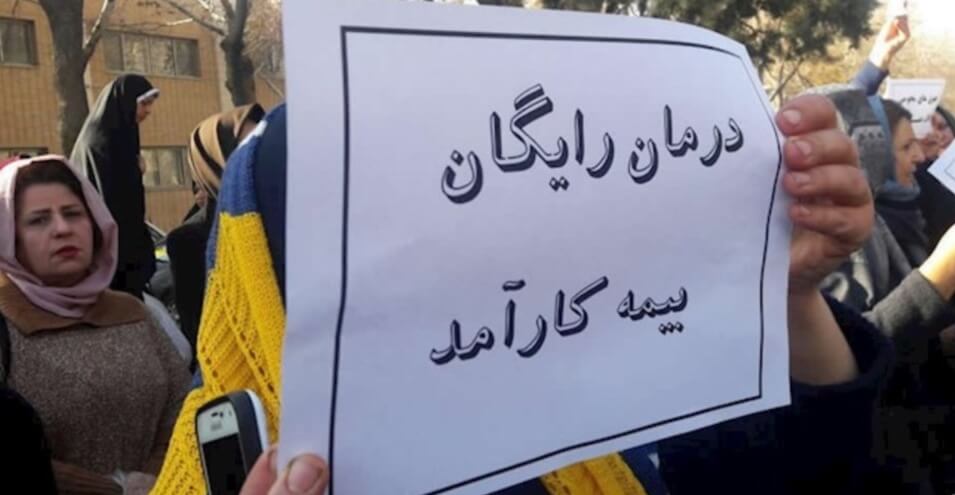
While “free treatment” is one of the demands of protesters in professional rallies, including retirees and pensioners, the possibility of a 60% increase in diagnostic and therapeutic service tariffs, or medical tariffs, has raised concerns among social media users.
Mehr News Agency expressed concerns on December 28 about the “bare-headed” state of people regarding medical tariffs. ILNA also reported the possibility of a 70% increase in people’s share of payments and warned about neglecting “community resilience” and creating “public dissatisfaction.”
Ali Salarian, Deputy Director of Technical Affairs and Supervision at Iran’s Medical System Organization, referring to 45% inflation, said that the organization’s economic and health experts have estimated at least a 60% increase for 1401.
According to Mehr News Agency, in 1401, a visit to general practitioners will cost around 85,000 tomans, specialists around 120,000 tomans, and super-specialists around 160,000 tomans, representing an increase of more than 100%.
Although Mahdi Yousefi, Director General of Tariffs, Standards, and Insurance at the Ministry of Health, did not consider these tariff increases as responsive to healthcare system components, stating: “We do not believe the healthcare system should be run based on out-of-pocket payment from patients.”
MohammadHossein Nejati, a journalist, tweeted that tariff-setting in Iran advances faster than inflation each year, calling physicians an “autonomous class,” and wrote: “This group does not pay taxes and easily escape from medical errors through mock courts managed by their own professional associations.”
According to Iran Labor News Agency, ILNA quoted Ali Babaei Karnami, a member of the Labor Faction in the Islamic Consultative Assembly, saying: “Friends, do not take revenge on people for increasing medical capacity.” He stated: “A 60% increase in medical service tariffs is neither proportionate to insurance companies’ capacity nor to society’s economic capacity; this means depriving the low-income class from medical services.”
ILNA, citing a report from the Islamic Consultative Assembly Research Center, wrote that only with the implementation of the health transformation plan from the early 1990s, physicians’ income increased “by more than 300%” and they can be counted among “astronomical income earners.”
AliReza Haidari, a labor activist, believes that pricing policies, in addition to the government’s monetary and currency policies, have caused an increase in inflation rates for goods and services in the healthcare sector, such that “the back of the Social Security Organization bent under the burden of heavy costs,” and a 60% increase in medical tariffs will worsen the situation considerably.
A user named Mostafa Zali also tweeted: “They want in a country where their costs and their customers’ income are in rials, to receive salaries in dollars and of course claim double from society.”
Economic protests in Iran have intensified over recent months. Previously, some media outlets expressed concern about rising inflation and price increases resulting from officials’ policymaking and warned of widespread protests.
Source: Voice of America