Hamid Noori: Ask Iran’s Government Why Prisoners Were Executed
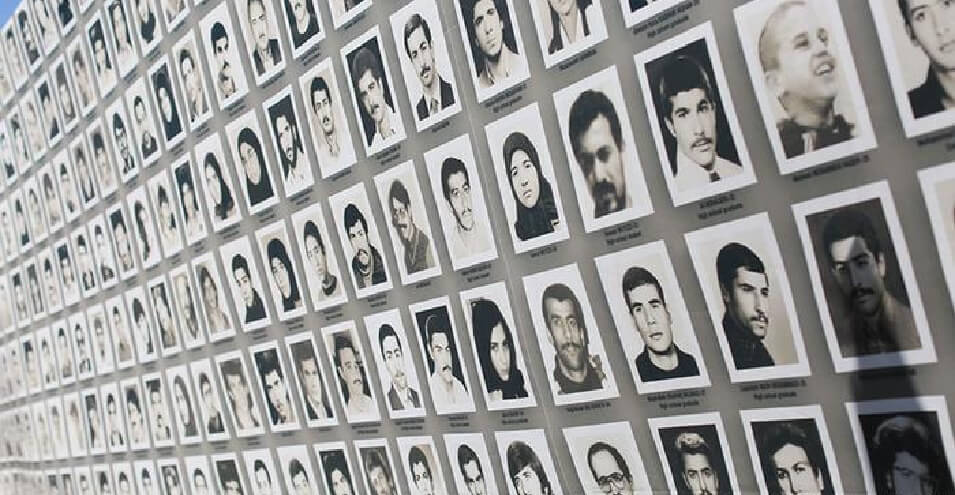
Hamid Noori, accused of involvement in the summer 1967 massacre, claimed in his fourth defense hearing that political prisoners were executed due to “armed operations.” In contradictory remarks, he called the killing of leftist prisoners at Gohardasht Prison “fabricated.”
Hamid Noori’s fourth defense hearing at Stockholm Court took place on Monday as he acknowledged the execution of Mujahideen and leftist prisoners in 1967 while presenting new claims about the reasons for the orders. He said the Mujahideen were “massacred” in military clashes with Islamic Republic forces and leftist prisoners were executed due to “crimes against the Iranian people.”
In justifying the killings, Noori raised the prisoners’ intention to “riot,” saying he had communicated what he had heard about this to his superiors: “Some had planned a riot in prison and wanted to kill the Revolutionary Guards if the Mujahideen organization’s attack succeeded.”
Similar claims have been made in recent years by some Islamic Republic security and intelligence officials to justify the summer 1967 executions.
When asked by the prosecutor about his view on the execution of leftist groups at Gohardasht Prison in Karaj, Noori claimed the “entire story was fabricated” and said: “There was no first wave and no second wave…”
According to available evidence and eyewitness testimony, the first wave of summer 1967 executions began on the eighth of Mordad with the hanging of Mujahideen prisoners. In the second wave, starting from the fifth of Shahrivar, leftist prisoners were taken to death courts and executed.
Noori asked the court to inquire of the Iranian government about the reasons and dates of executions and the number of those killed.
Ladan Bazargan, sister of Bijan Bazargan who was among the execution victims, wrote in a tweet: “The Islamic regime of Iran and Hamid Noori are nervous because although they neither gave us families written documents about the arrest and execution of our loved ones, nor graves and wills, and even wrote ‘natural death’ on their death certificates, now we have been able to prove that the 1967 massacre happened. Now Noori keeps complaining, asking Iran to inquire.”
When asked what happened to communist prisoners, Noori said: “Some communist individuals were executed in prisons, some people who had been released from prisons and had died for any reason or had disappeared, or were killed in clashes while leaving Iran, and some of these people have no foreign existence. The death of these people should be inquired into from Iran to determine whether these people died or not, whether they had parents or not, and if they were executed, why they were executed.”
While acknowledging the execution of leftists, Noori cited “infiltration in the military” and “coup intention” as reasons for the hanging of Tudeh Party members and said: “Groups like the Organization of Fadaian Minority, the Communist Alliance and the Tudeh Party had military activities or armed operations… In short, members and individuals of communist groups were also executed, not because of political thoughts or groupism, but because of armed operations.”
In his defense hearings, Noori, in response to questions from the prosecutor and the court judge, sometimes deflects and sometimes gives sarcastic answers. In his fourth defense hearing, he again repeated that he was not present at the execution site due to the birth of his daughter, and when the prosecutor asked if he remembered when he returned to Evin, he said: “Not exactly, but I think it was autumn. I remember because of the rain. Evin Prison is a very beautiful place, full of trees, and the leaves of the trees were scattered on the ground. It was late Shahrivar and Mehr…”
Hamid Noori is 60 years old and Stockholm Court has accused him of “gross violation of international law” and “premeditated murder.” Former political prisoners have confirmed his identity as a court clerk at Gohardasht Prison in Karaj and as one of those involved in executing prisoners in summer 1967. If convicted, he will receive the most severe punishment, which under Swedish law is life imprisonment.
The court’s examination of Noori’s case is of historical importance, as the massacre of political prisoners in 1967 has been mentioned in human rights organizations’ reports for years, but no perpetrator has been tried in connection with it so far.
Noori was arrested during a visit to Sweden. He has denied involvement in the 1967 massacres and claims he was on leave in Mordad and Shahrivar that year due to the birth of his child.
Swedish judicial authorities said the Stockholm Court will continue until April 14, 2022.
Source: DW