Iran Statistics Center: Inflation Rate Exceeds 50% in Some Provinces
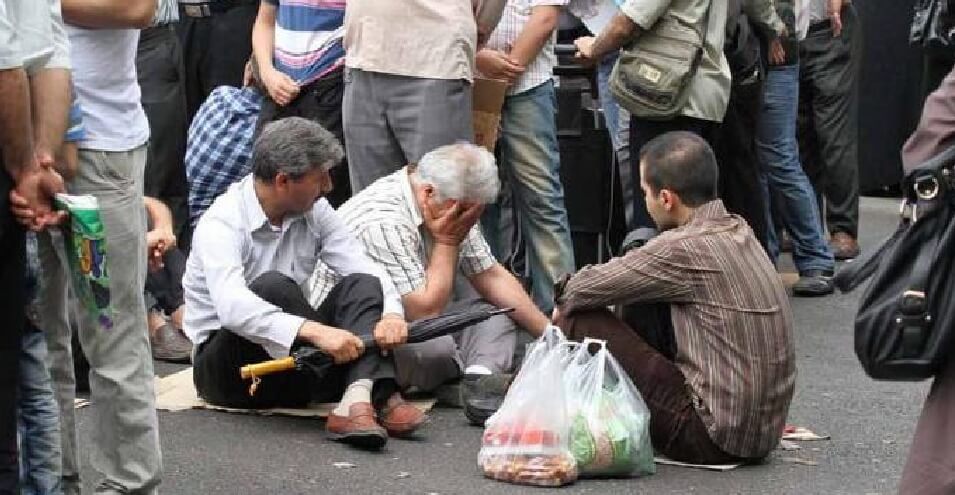
According to Iran’s Statistics Center, inflation rates have shown an upward trend in at least 8 provinces across Iran, surpassing the 50% mark. The inflation rate for food items has been around 60%.
Inflation in the provinces of Kermanshah, Kurdistan, Chaharmahal and Bakhtiari, Kohgiluyeh and Boyer-Ahmad, Ilam, East Azerbaijan, North Khorasan, and Zanjan has exceeded the 50% threshold.
In Qom and Tehran provinces, the inflation rate at the end of the second quarter of the current year was approximately 41%. The Statistics Center notes that the difference between the inflation rate in Qom province with the lowest rate and Ilam province with the highest rate was approximately 11.8%.
Iran’s Statistics Center predicts that the continuation of the upward trend in inflation rates until the end of October could leave half of the country’s provinces facing inflation rates above 50%.
What stands out in these statistics is the inflation rate in rural areas, where at least 17 provinces are experiencing inflation rates exceeding 50%.
Point-to-point inflation rate in West Azerbaijan province showed the highest rate at more than 53%, while Hamadan province had the lowest rate at around 40%.
After price increases and rising inflation rates, Raisi asked the Central Bank to adopt monetary policies to curb money supply growth and control inflation.
However, according to experts, combating rising inflation is impossible given the decline in production and inefficiency in the distribution of essential goods.
Inflation Rate for Food and Housing
In the Statistics Center’s report, the annual inflation rate for food and beverage products and tobacco at the end of the second quarter reached 59.5%. According to the same statistics, the inflation rate for food and beverage items in Isfahan, Chaharmahal and Bakhtiari, Yazd, East Azerbaijan, Golestan, Hormozgan, Kurdistan, West Azerbaijan, Razavi Khorasan, Ilam, North Khorasan, Alborz, Kermanshah, Lorestan, and Fars provinces exceeded 60%. Meanwhile, wage levels have remained unchanged, and vulnerable households are severely suffering from economic conditions.
The CEO of the Central Union of Livestock announced on October 7 that per capita meat consumption in the country has dropped from 12 kilograms per year to 6 kilograms. This is while meat prices, contrary to 50 or 60% inflation, have only increased by 30%.
Iran’s Central Bank report through the end of September this year shows that the average price per square meter of residential housing has reached 31 million and 700 thousand tomans, which is considered a new record.
According to the Central Bank report, the rental index in Tehran city and all urban areas in September of this year increased by 42.8% and 45.7% respectively compared to the same month of last year.
This means that an Iranian family, to renew their lease in September of the current year compared to last year, would have to pay approximately 45% more in rent.
Source: DW