An Economist: Government Claim of Supporting the Poor Through Removing Preferential Exchange Rate is a ‘Lie’
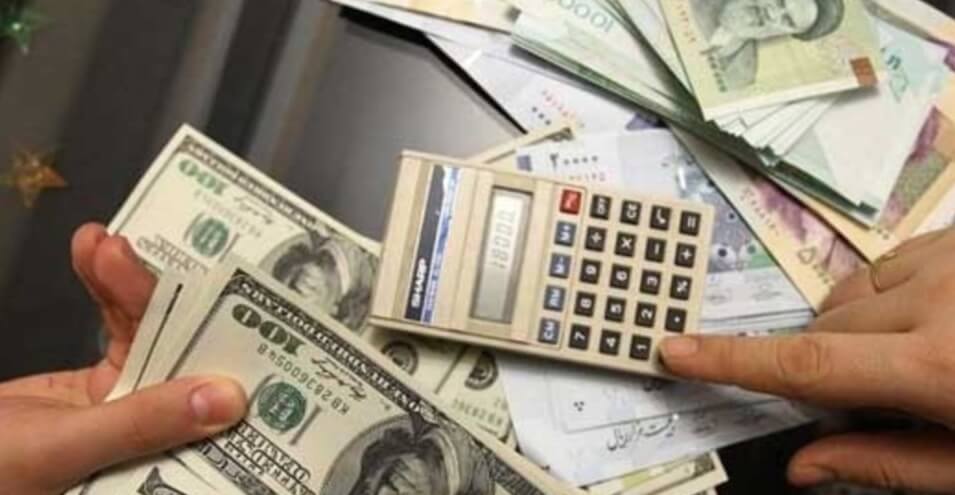
After one hundred days of the thirteenth administration’s activities, the price liberalization plan to compensate for budget deficits was implemented, and a bill to remove the preferential exchange rate for importing livestock feed, medicine, and medical equipment was sent to parliament. Despite economists’ warnings about the negative consequences of this decision, the rising trend of the dollar in Iran’s free market continues to accelerate.
The Ibrahim Raisi administration, concluding that the preferential dollar rate of 4,200 tomans, which entered Iran’s economy three years ago for importing livestock feed, medicine, and medical equipment, has created rent-seeking and corruption, decided to eliminate the subsidies related to the import of these essential goods.
Raisi recently attempted in an interview, by referring to “dining tables,” “national currency value,” “government debt,” and “budget deficit,” to hold the previous government responsible for this situation.
However, despite Ibrahim Raisi’s election promises to control inflation and rising prices, since his administration took office, the prices of food and essential goods have increased by more than fifteen percent and eleven percent respectively. Additionally, the exchange rate has continued its upward trend due to existing inflation and the decline in national currency value, such that the price of each US dollar has risen from around 25,000 tomans to the 29,000 toman range.
Meanwhile, Raisi’s first deputy, by attending the home appliance market, expressed hope that the government could, through continuous monitoring and cooperation with manufacturers, bring greater stability to this market and take steps in the direction of controlling prices.
But why have what is called monetary suppression policies and administrative measures by governments not had a significant impact on controlling price increases? According to Hossein Salahvorzi, vice president of the Iran Chamber of Commerce, economic policymakers reduce the market to a “distribution network” and prices to “an accounting decision in a firm.”
He, in response to Mohammad Mokhber’s presence in the home appliance market, tweeted that attempting to control inflation through inspections and price controls is like trying to cure smallpox with face powder and other beauty products.