Large Portion of Afghanistan’s Army Logistics Falls into Taliban’s Hands

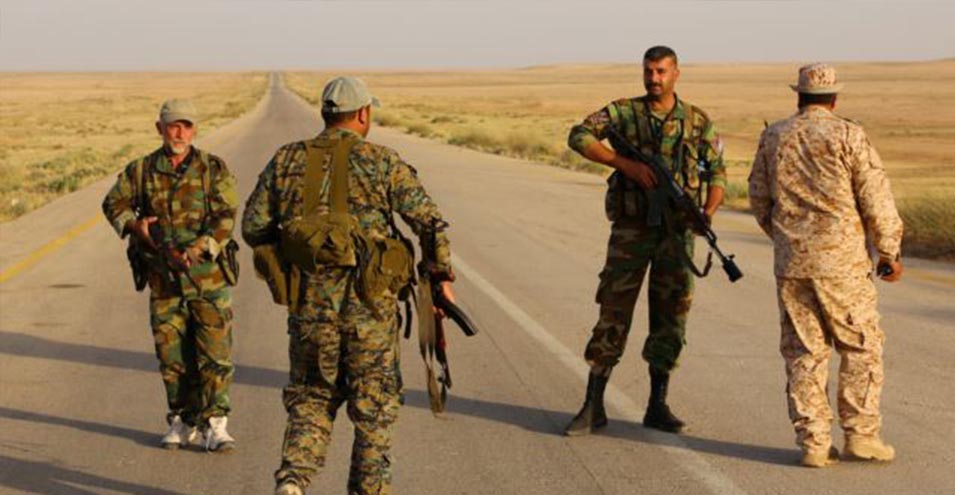
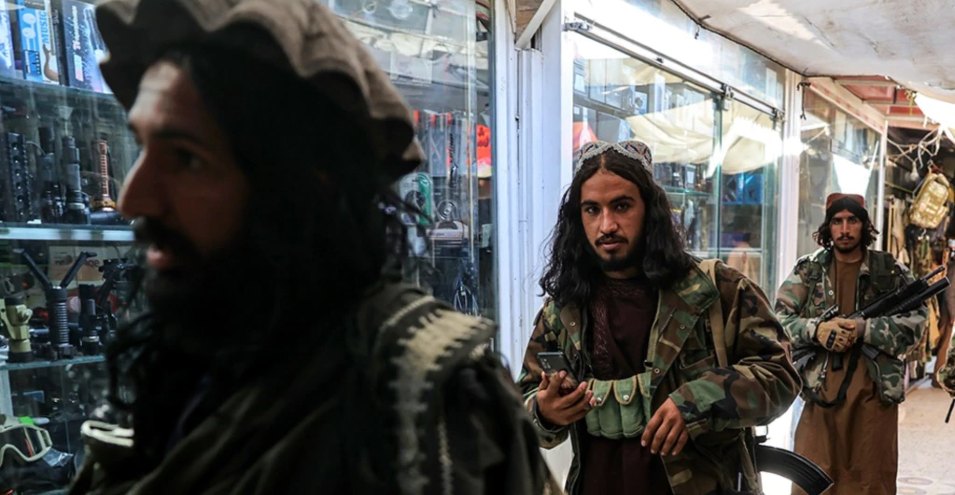
The White House National Security Advisor says the Taliban has acquired significant quantities of weapons and equipment from the Afghan military. Jake Sullivan added that it is unlikely these spoils will be returned. The G7 will hold an emergency meeting in the coming weeks.
Jake Sullivan, the U.S. National Security Advisor, announced at a press conference that significant amounts of military equipment have fallen into the hands of the Taliban and the Afghan military has essentially collapsed. He said that the United States had supplied the weapons needs of Afghan security and law enforcement forces for years and helped create the country’s air force, “but major cities surrendered to the Taliban.”
Sullivan expressed doubt about the Taliban’s willingness to return military equipment, while simultaneously reporting on Washington’s negotiations with militia groups for the phased evacuation of American personnel from Kabul. He said: “The Taliban has promised that civilians will be safely transferred to Kabul Airport.”
The Taliban has now set up checkpoints at the entrance to Kabul Airport and violently pushes back people attempting to enter. Thousands of local staff working for foreign centers or embassy personnel still lack the ability to leave Afghanistan due to conditions at Kabul Airport.
The U.S. military has evacuated more than 3,200 people from Afghanistan by Wednesday morning, August 18 (Mordad 27). The day before, approximately 1,100 people were transferred to safety on 13 flights. Around two thousand refugees have also been transferred to the country. The United States has also begun investigations into how the chaos and humanitarian disaster unfolded at Kabul Airport.
The White House simultaneously announced that leaders of the seven major industrial nations (G7) will hold a video conference next week to adopt a common strategy and approach to the Afghanistan crisis.
Ned Price, U.S. State Department spokesperson, stated at a news conference that if conditions in Afghanistan were safe after August 31 (Shahrivar 9), the United States might continue its diplomatic presence in the country.
Europe’s “Conditional” Talks with the Taliban
The shock from Afghanistan’s events has caught European politicians off guard. The primary goal of European Union officials is the safe departure of European citizens and local staff of Western centers from Afghanistan and protecting them from potential Taliban retaliation.
In an emergency meeting of EU foreign ministers, in addition to emphasizing the aforementioned point, talks also occurred regarding negotiations with Afghanistan’s new rulers.
Josep Borrell, the coordinator of foreign policy for the union, announced that Europe will negotiate with the Taliban regarding the humanitarian crisis, preventing the return of foreign terrorist groups to Afghanistan, and preventing a “migration disaster.”
In a joint statement from EU foreign ministers, it was stated that these negotiations are conditional on a peaceful transfer of power and that Islamists respect the fundamental rights of all people, especially the rights of women, children, and minorities.
Meanwhile, Bloomberg news agency reported, citing an American official, that Washington has blocked nearly 9.5 billion dollars of Afghanistan’s central bank assets to prevent the Taliban from accessing these resources.
In this context, the director of “Action Against Hunger” has asked the German government not to abandon Afghan citizens and to continue development and humanitarian assistance.
Matthias Mogge said: “Even after the rapid withdrawal, Germany has a duty to play a role in reducing the suffering of the Afghan people and to allocate sufficient budget to continue humanitarian assistance.”
Media outlets, citing Mogge, reported: “Afghan people need help. 13 million people do not have enough food. Three million children are malnourished.”
Source: DW