Corona in Iran: Expansion of Fifth Wave and Lack of Vaccination Planning
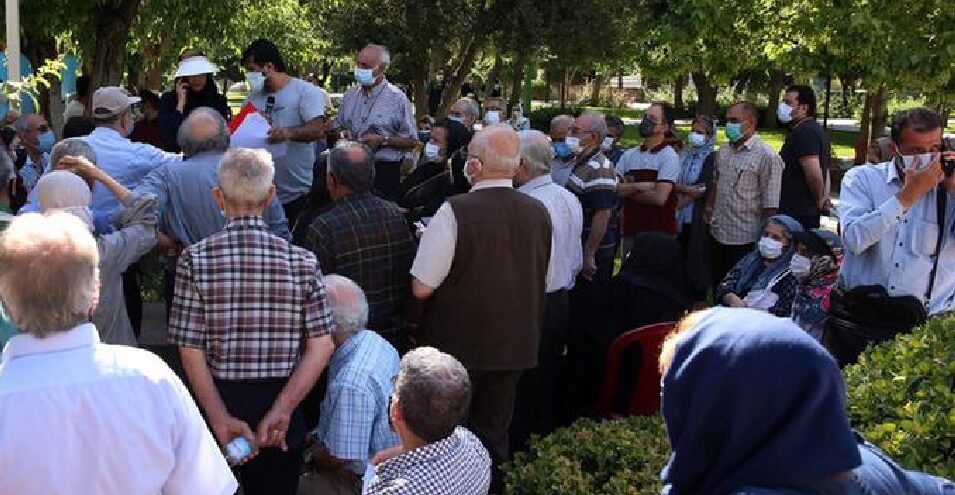
Iranian media report on the dire situation of citizens during the fifth peak of coronavirus. According to reports, the rate of hospitalizations and deaths from this disease is rising. Only a small percentage of Iran’s population has been vaccinated, and some vaccines have not provided sufficient immunity.
Coronavirus statistics in Iran have risen rapidly. In the past 24 hours, 25,441 new cases of COVID-19 have been identified in the country and 213 people have died. Alireza Zali, commander of Tehran’s coronavirus management operations, told the government that if vaccination is not carried out in a timely manner, subsequent waves of coronavirus will occur.
According to official statistics, the total death toll from this disease in Iran has reached 87,374 people. The coronavirus task force report assessed the situation in 169 cities as red, 166 cities as orange, and 113 cities as yellow.
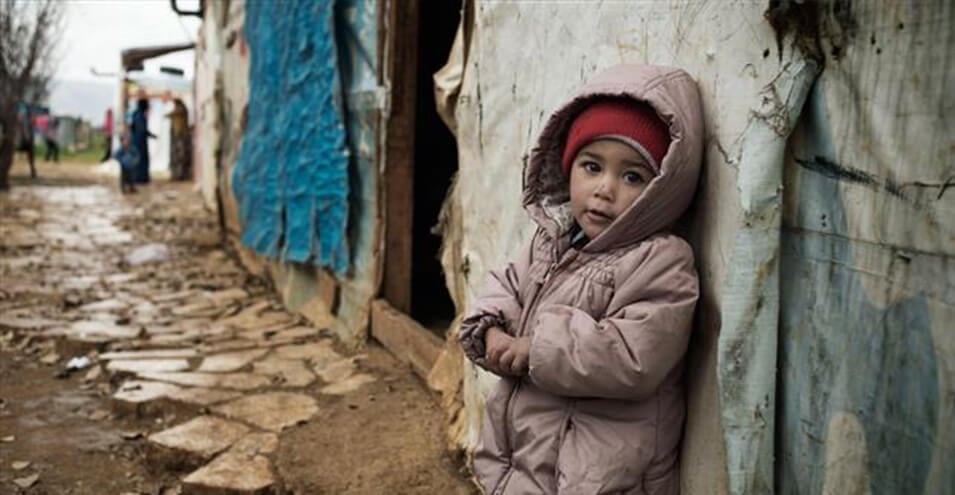
The fifth wave of coronavirus has also affected children. Gholamreza Khademei, head of the pediatric intensive care unit at Akbar Hospital in Mashhad, told the ISNA news agency that the increase in children affected by coronavirus has increased concerns about shortages of ICU beds and hospital beds.
According to this physician, the age of coronavirus infection has decreased significantly, noting that “in previous periods, teenagers and children aged 9 to 11 were affected, but now children of younger ages and even infants are being hospitalized.”
Not Using Foreign Vaccines Was a Government Policy
The Iranian government and its Islamic Republic leader have been strongly criticized for opposing the timely and sufficient import of credible vaccines such as Biontech/Pfizer, Moderna, and AstraZeneca, and this policy directly contributes to increasingly more victims of coronavirus in Iran.
This is in addition to policies over the past two years that led to the spread of coronavirus in Iran and the deaths of thousands, such as hiding the disease in the initial weeks of its entry into Iran, holding parliamentary elections, failing to prevent flights between China and Iran, failing to control and implement effective quarantine, not preventing religious ceremonies, and so on.
Now Kianosh Jahanpour, director general of public relations at the Ministry of Health, says: “The policy of not using coronavirus vaccines before their approval and in the clinical trial stages was a government policy on which all top-level institutions agreed, and of course the Ministry of Health also agreed with it.”
He added on Monday, July 28, at a roundtable at IRNA news agency: “If we had used foreign vaccines in Iran during clinical trial stages for people, those who are now criticizing this matter would have criticized why you used foreign vaccines before final approval?”
Jahanpour shifts the responsibility for not bringing credible vaccines away from the Ministry of Health and says: “The Ministry of Health is not responsible for importing coronavirus vaccines. Rather, it is the approver of vaccines, and in the field of imports, the diplomatic apparatus and the Foreign Ministry bear the primary responsibility.”
Regarding the reason for the halt and slowness of coronavirus vaccination in recent weeks, he says: “With the cooperation of the diplomatic apparatus, the Foreign Ministry, the Central Bank, the Planning and Budget Organization, and the Ministry of Health, after a several-week interruption in the delivery of foreign vaccines, last week we witnessed the gradual delivery of foreign vaccines.”
According to Jahanpour, Iran has received approximately 2.2 million doses of coronavirus vaccine from the COVAX quota and approximately 920,000 doses of Russian Sputnik vaccine from the Gamaleya Institute. The bulk of shipments received by Iran is also Chinese Sinovac vaccine, and the bulk of vaccination in Iran is being carried out with this vaccine.
Alireza Zali, commander of coronavirus disease management operations in Tehran, has expressed dissatisfaction with the vaccination situation in the country and said: “Vaccine imports should be a concern and issue on the desk of all the country’s officials. Vaccination is one of the most accessible, fastest, and relatively effective methods of preventing COVID-19.”
Unlike some officials who incorrectly suggest that widespread vaccination in countries such as Israel and the United States has been ineffective, he states that the relative effectiveness of vaccination against coronavirus has been proven globally and “can play an effective role in reducing mortality.” He emphasizes that Iran’s problem is that “vaccination has not been carried out proportionally to the country’s population.”
According to him, in Tehran Province so far 1.4 million people have received the vaccine, of which only 480,000 have received the second dose. This is a very low figure for Tehran Province’s population of 14.8 million.
The Production Line Sputnik Gave to Iran Is Not Useful
Alireza Raisi, spokesman for the National Coronavirus Combat Headquarters, said on Clubhouse about coronavirus vaccination that “Sputnik gave a production line to Iran that is not useful to us.” Regarding the contract with Russia over 60 million doses of Sputnik, he said: “We have known for a long time that it produces 5 million doses per month. It has given various production lines under its own license to other countries. It also gave us a line that is not useful to us.”
He added that although Sputnik vaccines are produced in joint manufacturing in Iran and “Iran is a priority for receiving these vaccines, but the certainty of these vaccines for Iran is not guaranteed and we did not rely on it.”
Increase in Casualties Among Nurses
Hamshahri Online reported on Monday, July 28, that with each wave, hospital visits increase several times over, and the burden of pressure is mainly on nurses who “bear the most pressure” and “in the past 18 months have had many casualties.”
According to statistics from the deputy nursing chief of the Ministry of Health, so far 110 nurses in Iran have died as a result of contracting coronavirus and 70,000 have been infected.
The same report states that “the statistics of deaths and infections of physicians are not precisely available, however, the Medical Association previously, considering all nursing and medical groups, announced the number of deaths as 300 people.”
As of the last week of February last year, vaccination of medical personnel in Iran began with the arrival of the first shipment of Russian vaccine. But Hamshahri’s report says “nearly 6 months have passed since then, but still some medical staff members have not received the vaccine.” Some have not received the second dose, some have not received even the first dose, and among those who have been vaccinated, new cases of infection have been seen. About 10 percent of the medical staff have not been vaccinated at all.
According to Hossein Kermanpour, director of public relations at the Medical Association: “A number of medical personnel, despite receiving both doses of vaccine, have still contracted coronavirus, and these people were usually injected with Sinovac vaccine.”
Tehran and Alborz Provinces Go into Quarantine
IRNA news agency on July 28, with the announcement of the request of the Ministry of Health, Treatment and Medical Education for “simultaneous closure of Tehran and Alborz provinces” reported details of the integrated closure of all government agencies, banks, and high-risk trade and business groups in Tehran and Alborz provinces and other cities.
Included is the restriction of traffic from 6 p.m. the same day until 7 a.m. on Monday, August 4. These restrictions include a ban on personal vehicles with Tehran and Alborz plates leaving, and personal vehicles with other cities’ plates entering Tehran and Alborz. Also, travel by citizens between cities with red coronavirus status across Iran is absolutely prohibited.
According to the Central Bank of Iran’s announcement to all operating banks in Alborz and Tehran provinces, non-in-person banking services should be maximized, and “all bank branches in these two provinces should be closed during the announced time period.”
Restrictions are also implemented regarding trades and businesses under the title “tightening of restrictions in red cities,” which include the closure of restaurants and cafes, banquet halls, cinema and theater halls, enclosed bazaars and markets, covered swimming pools and gyms, amusement parks and zoos, and exhibitions.
Source: DW