UN Special Rapporteur Calls for Investigation into Raisi’s Role in 1988 Executions
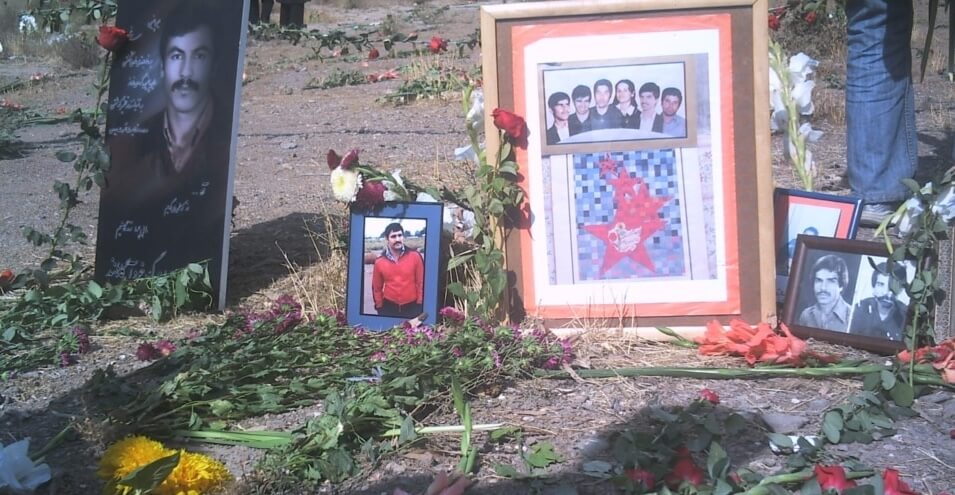
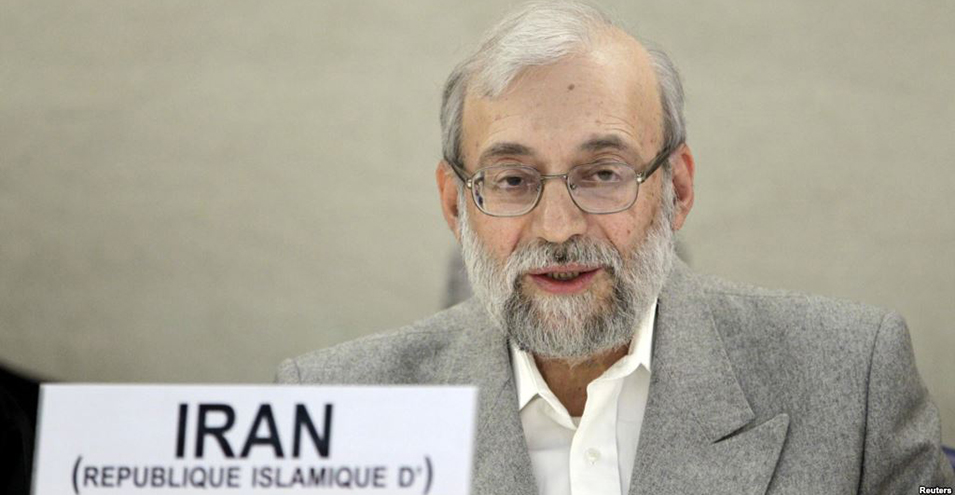
The United Nations special rapporteur on human rights in Iran called for an independent investigation into the execution of thousands of political prisoners by Islamic Republic officials in 1367 (1988) and Ibrahim Raisi’s role in this mass killing.
Javaid Rehman said on Monday, June 28, in an interview with Reuters that his office has collected testimonies from various individuals and evidence in this regard over the past years, and that if the UN Human Rights Council or other bodies are ready to launch an impartial investigation in this area, he is prepared to provide this evidence to them.
The UN special rapporteur on human rights also expressed concern about reports of the destruction of mass graves of these prisoners by the Islamic Republic.
Ibrahim Raisi, the president-elect of Iran in recent elections, is one of the main accused in this killing and a member of a body known as the “Death Committee” regarding the executions of 1367 (1988).
At that time, Ibrahim Raisi was the deputy prosecutor of Tehran and one of the members of a committee that was responsible for making decisions about the execution of prisoners.
Amnesty International stated that the number of executed prisoners in that year was approximately five thousand people, and in a 2018 report said, “The actual number could be higher.”
Ibrahim Raisi is under sanctions by the United States due to his background, and the United States and human rights activists say he is one of four prosecutors who were involved in the 1988 killings.
Javaid Rehman said in his Monday interview with Reuters regarding the investigation of Ibrahim Raisi’s case: “I think the time has come and now that Mr. Raisi is the president-elect, it is very important that we begin an investigation into what happened in 1988 and the roles of individuals in it.”
Stating that “this investigation would be in Iran’s interest and could help close a chapter of pain and suffering for the families of victims,” he added: “Otherwise, there will be serious concerns about this president and the role he is reported to have historically played in these executions.”
In his first press conference as Iran’s president-elect, Ibrahim Raisi defended those executions and said that as a judge, he should be “appreciated” for them and should be “commended” in this regard.
He also claimed that since the beginning of his judicial responsibility, human rights has been the “most central” matter that he has always considered.
Meanwhile, in recent weeks, multiple articles have addressed his background, and some organizations and groups have called for his case to be investigated for human rights violations at the international level.
The mass killing of prisoners in 1367 (1988) was carried out on the orders of Ayatollah Ruhollah Khomeini, and Ayatollah Hossein-Ali Montazeri, a Shia marja, had described those executions as “the greatest crime in the history of the Islamic Republic.”
The UN special rapporteur on human rights in Iran continued in his Monday interview: “The scale of the executions we hear about indicates that this was part of a policy being pursued… and it was not the work of just one person.”
November 2019 Killings
Javaid Rehman also referred in another part of his interview to the killing of protesters in Iran’s November 1398 (2019) protests and said that “no proper investigation” has been conducted into this killing, which was the bloodiest political unrest since the 1979 revolution in Iran.
He said: “Even with conservative estimates, it can be said that more than 300 people were arbitrarily and unlawfully killed and no one was held accountable and no compensation was paid.”
Mr. Rehman added that in Iran “both in the past and at present, there is widespread and systematic immunity from punishment for gross human rights violations.”
Source: Radio Farda