Amnesty International: Mohammad Ali Amouri and Mukhtar Al-Boshokeh, Ideological Prisoners Need Urgent Medical Care
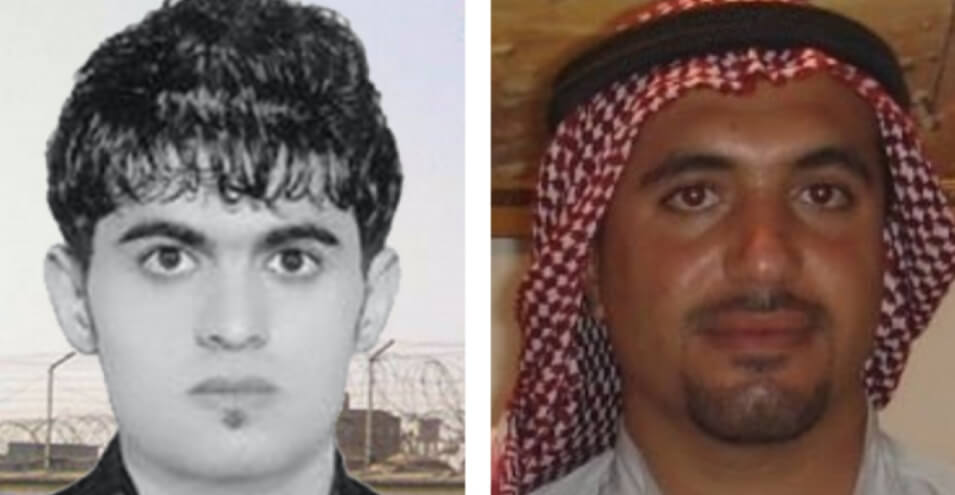
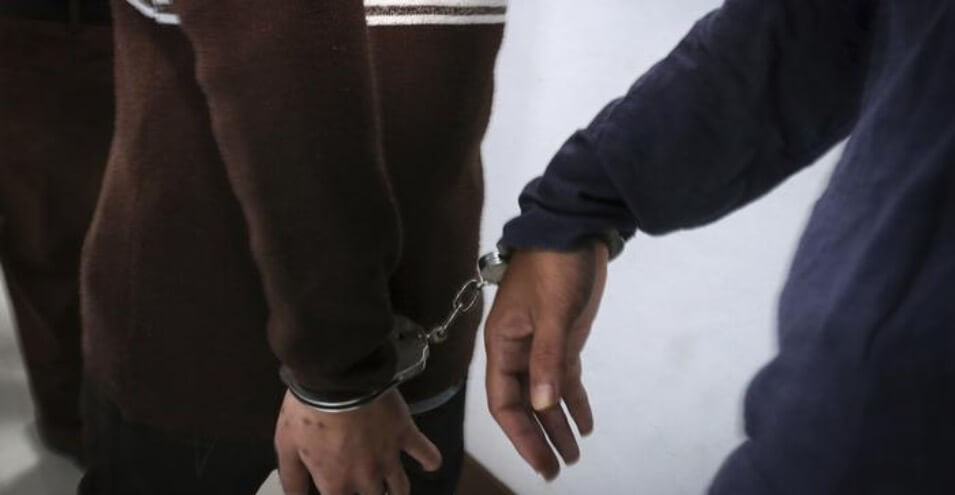
Amnesty International issued a statement calling on Iranian authorities to immediately and unconditionally release Mohammad Ali Amouri and Mukhtar Al-Boshokeh, two Arab Ahvazi ideological prisoners in urgent need of medical care.
The human rights organization announced on Monday, June 3rd, that another prisoner named Qasem Sanjar was transferred along with these two prisoners on approximately Ordibehesht 9th from a public ward in Shiban Prison in Ahvaz to an unknown location by plainclothes officers. Prior to this transfer, all three were subjected to physical assault by other inmates, and prison officials, instead of providing protection, further beat and injured them.
According to Amnesty International, the families of these prisoners were informed on Ordibehesht 28th that Mohammad Ali Amouri and Mukhtar Al-Boshokeh had been transferred to solitary cells in Shiban Prison, and since Ordibehesht 20th, in protest against the conduct of prison officials and prosecuting authorities, including the Shiban Prison deputy prosecutor, detention conditions, and denial of access to books, they have been on a hunger strike.
Based on information received by the human rights organization, Mr. Al-Boshokeh met with a family member on Ordibehesht 28th, and during this meeting, he was unable to walk without assistance and stated that he suffers from severe kidney pain and has been deprived of medical care, including necessary medications for his pre-existing kidney stone condition.
According to an informed source, Mohammad Ali Amouri was transferred in a wheelchair on Ordibehesht 29th first to the Shiban Prison medical clinic and then to an unknown location. Amnesty International states this raises serious concerns that he has been placed back in solitary confinement and is at greater risk of “torture and other cruel, inhumane and degrading treatment, including deprivation of appropriate medical care.”
While calling for the immediate and unconditional release of all three prisoners, Amnesty International also warned about Qasem Sanjar’s health status, stating that if he contracts COVID-19, he is at risk of severe illness or death.
The human rights organization also called on Iranian authorities to remove all three prisoners from solitary cells and provide them with appropriate medical care, including referral to medical centers outside the prison to receive treatments that cannot be provided within the prison.
Furthermore, regarding reports of torture and other abuses against them, prompt, comprehensive, independent and impartial investigations should be conducted, and those responsible should be held accountable in fair courts.
Mohammad Ali Amouri and Mukhtar Al-Boshokeh, who were sentenced to life imprisonment for their peaceful activities in cooperation with the cultural rights advocacy group “Al-Hwar,” have been in prison since 2010 and have repeatedly been subjected to torture and other cruel and inhumane treatment.
During Ordibehesht month in 1399, following disturbances in some Iranian prisons, including Shiban Prison, in the wake of the coronavirus outbreak and authorities’ negligence that ended with violent intervention by security forces and firing of rubber bullets at prisoners, several inmates, including Mohammad Ali Amouri, suffered injuries to the head and chest.
According to available information, Mr. Amouri, one of the founders of the “Al-Hwar” cultural institution, fled to Iraq in 2007 and was recognized as a political refugee by the United Nations High Commissioner for Refugees. However, the Iraqi government arrested him for illegal border crossing, and after serving more than 3 years in Al-Amara and Basra prisons, he was handed over to Iranian authorities on Dey 23rd, 1389.
On Dey 20th, 1391, Branch 23 of the Supreme Court issued a death sentence for this ideological prisoner and 4 other Arab Ahvazi activists, including Mukhtar Al-Boshokeh, other founders and active members of Al-Hwar, on charges of enmity against God and carrying out armed operations and actions against national security. This came despite these activists stating in multiple court sessions that after months of severe torture, they were forced to make false confessions about involvement in armed operations and overthrowing the Islamic Republic. This sentence was ultimately reduced to life imprisonment.
The U.S. State Department has repeatedly condemned repeated and continuous violations of the rights of Iranian citizens by the Islamic Republic.
Source: Voice of America