Zarif: I view field and diplomacy as complementary; I don’t know how the file emerged from across the waters
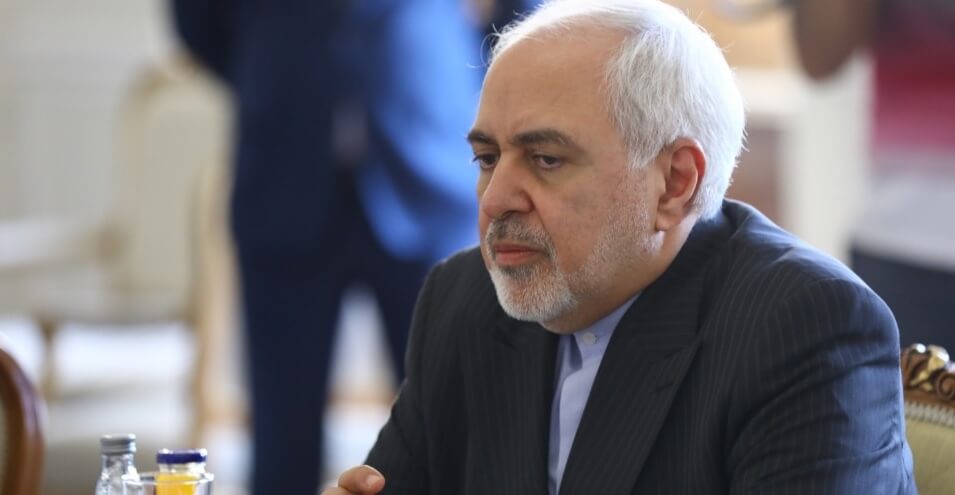
Mohammad Javad Zarif, foreign minister of the Islamic Republic, responded to the publication of a controversial audio file released Wednesday morning by speaking of a “deep camaraderie” and “heartfelt relationship” with Qasem Soleimani, describing the file’s content as merely a “theoretical discussion.”
Mr. Zarif, in a statement posted on Instagram on Wednesday, the 28th of Farvardin, said that his remarks about diplomacy and the field were a “theoretical discussion regarding the connection between two wings of Iran’s foreign power,” but have been reduced to “an excuse for creating division between honored military personnel and dedicated diplomats.”
The publication of Iran’s foreign minister’s interview with a journalist close to Hassan Rouhani’s government in foreign media outlets generated widespread repercussions in Iranian politics, with several members of parliament calling for action against Mr. Zarif.
In this conversation, Mohammad Javad Zarif raises unprecedented criticism of military control over Iran’s foreign policy, stating that some of these policies, including those related to Syria, stemmed from “Russian will.”
According to him, the Iranian government preferred the “field”—the sphere of activity of the Islamic Revolutionary Guards Corps—over “diplomacy,” and he subsequently accuses Qasem Soleimani, the commander of the regime’s “field” operations, of causing damage to the Rouhani administration’s diplomacy.
Iran’s Foreign Ministry called the conversation, which was conducted under the supervision of the “Center for Strategic Research of the Presidency,” “confidential,” and a government spokesperson claimed that the audio file of this conversation was “stolen,” with the Intelligence Ministry pursuing the matter.
Mr. Zarif responded on Instagram, noting that he does not know how this file “emerged from across the waters,” and continued that he views “the field and diplomacy as complementary and reinforcing.”
He wrote: “Reducing a theoretical discussion regarding the connection between the two wings of Iran’s foreign power—namely diplomacy and the field—to serve as an excuse for creating division between honored military personnel and dedicated diplomats…is shortsighted.”
He further stated: “I deeply regret how a confidential theoretical discussion about the necessity of synergy between diplomacy and the field—intended for future government officials to benefit from the precious experiences of the past eight years—is being transformed into internal conflict, and sincere and compassionate analysis of certain processes is being presented as personal criticism.”
In another section of his statement, he attempts to emphasize his loyalty to Qasem Soleimani, the former commander of the Quds Force, who was killed by American forces in Iraq during Donald Trump’s presidency.
Mr. Zarif stated: “The honor of deep camaraderie and cooperation with Hajj Qasem lasted for more than two decades, and our heartfelt and professional relationship not only did not diminish until his martyrdom, but continually deepened.”
On Tuesday, the Tehran Prosecutor’s Office announced the opening of a judicial case regarding Zarif’s audio file, and the National Security and Foreign Policy Commission of parliament also summoned Mr. Zarif.
Farsi News Agency published a statement from the Tehran Prosecutor’s Office on Tuesday, the 7th of Farvardin, stating that “the principal charge in this case is placing classified national information at the disposal of unauthorized individuals.”
The release of this file has generated widespread repercussions, with some members of parliament and media outlets close to the Revolutionary Guards, describing the release as “treason” and considering Zarif’s remarks about Soleimani as “insult and disrespect,” calling for intervention by the Supreme National Security Council and the judiciary to deal with Mr. Zarif.
Source: Radio Farda