Iran’s Health Minister Warns of New COVID-19 Surge
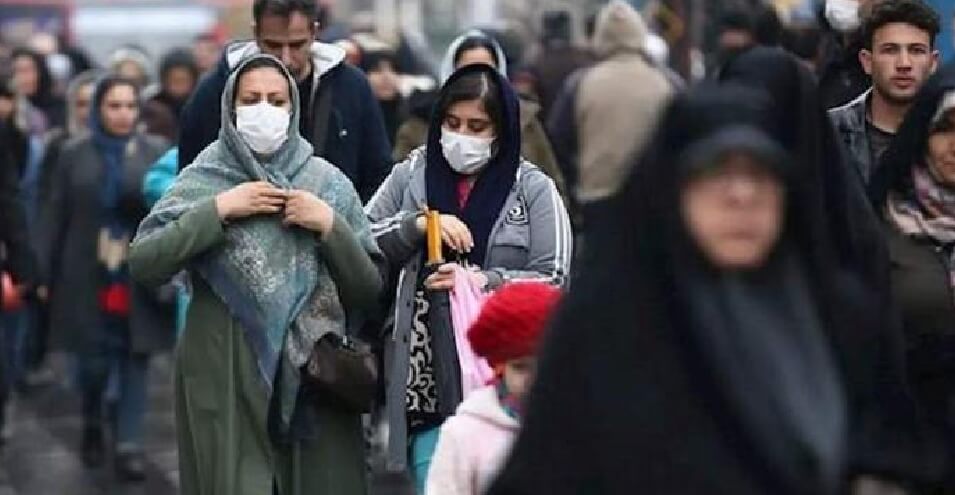
97 COVID patients died in Iran over the past 24 hours, with 21 of them in Mazandaran province. Saeid Namaki has warned against downplaying the situation, and the commander of Tehran’s coronavirus task force has called for a several-day shutdown of the capital.
On Wednesday, December 15, Iran’s Health Ministry spokesman announced the total number of COVID-19 patients at 1 million, 305 thousand, and 339 people, reporting 6,317 new cases in the past 24 hours. According to Sima Sadat Lari, 97 people died in the past 24 hours due to the disease, and 4,469 patients are in critical condition.
She identified seven cities in Mazandaran province and two cities in Golestan province as having red status, and 30 other cities across the country as having orange status.
Simultaneously, the Health Minister announced that 21 of those who died in the past 24 hours were residents of Mazandaran. He called Mazandaran “the province with the most severe hardship” and said that without this death toll, the numbers would have been heading toward fewer than 50 deaths. Saeid Namaki, expressing severe concern about the new disease surge, added: “Unfortunately, with the false sense of calm that has emerged among people due to reduced deaths and hospitalizations, they are moving toward normalization and trivialization, and this has greatly concerned our colleagues.”
Tehran, which has a different situation than other Iranian cities due to its dense population and concentration of traffic and business activities, is simultaneously facing severe air pollution. Alireza Zali, commander of Tehran province’s coronavirus task force, called a several-day shutdown under these circumstances “very helpful,” but added that care should be taken to prevent people from leaving the city during shutdowns.
Zali, acknowledging the dangerous threshold of Tehran’s air pollution and the inversion phenomenon, said: “Those with a history of allergic respiratory disease and asthma will have their condition inflamed by increased air pollution, and worsening respiratory disease will also lead to COVID-19 infection… In some parts of the city, this inversion has reached a distance of 200 meters.”
Meanwhile, the head of Iran’s Pasteur Institute defended the joint vaccine production between Iran and Cuba, saying: “Since we are confident that phases one and two of clinical trials of this vaccine in Cuba had no complications, we can be assured that phase three of its trial, which will be conducted simultaneously in Iran and Cuba, will have very good results, and we can then enter the phase of public vaccination.”
It has been announced that vaccination with the mentioned vaccine in Iran will begin in late March.
The Leader of the Islamic Republic opposed the import of vaccines made by America and Britain, and the Health Minister also justified skepticism about the efficacy of these vaccines and the possibility of “disrupting the body’s immune system” through injection of vaccines based on mRNA.
Source: DW