Teachers’ Day in Iran| Rasoul Bedaqi: Under the Islamic Republic, fulfilling demands is impossible not only for teachers but for any class
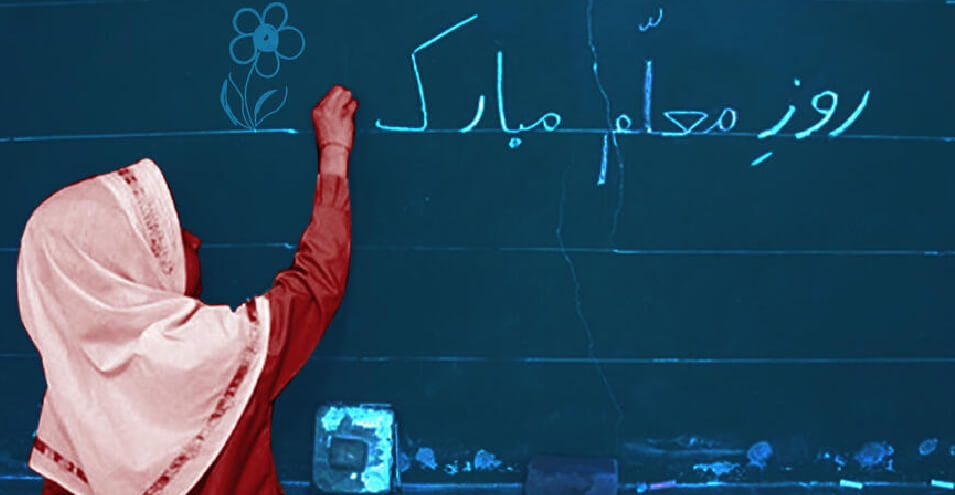
12 Ordibehesht is named as Teachers’ Day in the Iranian calendar, and this year the special conditions of coronavirus caused the protest gatherings of union activists to not be as widespread as previous years. Rasoul Bedaqi believes that the Islamic Republic last year, by closing schools under the pretext of the outbreak and spread of coronavirus, merely kept itself safe from teachers’ gatherings and protests.
This year, coinciding with Teachers’ Day, a group of labor activists, teachers, lawyers, social activists and human rights defenders gathered in front of Karaj Prison demanding the release of imprisoned teacher Ismail Abdi and imprisoned workers and political prisoners.
At this gathering, Jafar Azimzadeh, a labor activist and former political prisoner, in a brief speech protested the imprisonment of teachers and imprisoned workers. Narges Mohammadi, spokesperson for the Human Rights Defenders Center, referring to officials’ prevention of public gatherings in recent days, spoke about citizens’ right to assembly and protest.
Rasoul Bedaqi, member of Iran Teachers’ Professional Council, referring to the fact that the Islamic Republic last year, by closing schools under the pretext of the outbreak and spread of coronavirus, merely kept itself safe from teachers’ gatherings and protests, told Voice of America: “Instead of making school conditions appropriate, they closed schools so that on one hand they could economize on a budget they don’t have, and on the other hand to further restrict professional organizations so that they would have no opportunity for gatherings, sit-ins or strikes.”
According to this professional activist of educators, in the year that passed “teachers were forced due to school closures to compensate for the quality of in-person teaching with longer hours through mobile phones or whatever resources were available to them, many suffered psychological damage, depression befell them, and this school closure imposed significant costs on teachers’ hands.”
Mr. Bedaqi further stated: “Fulfilling demands is possible not only for teachers but with the existence of the Islamic Republic for no class; the government has reached a dead end and neither has a budget nor wants to step down from that hollow might, oppression and hegemony it imagines for itself.”
This member of Iran Teachers’ Professional Council told Voice of America: “The only solution for the country is either a 90 percent retreat by the Islamic Republic or a national and nationwide movement that can force the government into retreat… Teachers’ demands on Teachers’ Day and before Parliament will be the freedom of imprisoned teachers, imprisoned workers and civil prisoners, and they will protest this atmosphere of repression, terror and intimidation and this atmosphere of plundering the country.”
Based on available information, on 12 Ordibehesht 1340, Iranian teachers, in order to vindicate their rights and under the leadership of Mohammad Derakhshesh, chairman of the Iranian Teachers’ Association, staged a nationwide protest and strike. Protests that turned violent in front of the Parliament building and resulted in the death of Abolhasan Khaneali, a teacher of philosophy and Arabic language, by a police officer’s gunfire.
After this incident and Mohammad Derakhshesh’s arrest, these protests took on a different character, and it wasn’t long before Jafar Sharif-Emami, chairman of the Senate, resigned from his position. Following Sharif-Emami’s resignation and Mohammad Derakhshesh’s release from prison, on 18 Ordibehesht, teachers gathered at the Mehregan Club of Iran Teachers’ Council and through a resolution named 12 Ordibehesht as Teachers’ Day in commemoration of their successful strike and honor of Dr. Khaneali.
But it wasn’t long before after two years and this date not being officially registered in the Iranian calendar, this day was forgotten, until in 1358 teachers set out to revive Teachers’ Day, which coincided with the assassination of Ayatollah Motahhari and his death on 11 Ordibehesht. The government of that time, with one day’s delay, declared 12 Ordibehesht as Motahhari’s martyrdom day and Teachers’ Day, and thus Teachers’ Day was established in Iran.
Source: Voice of America