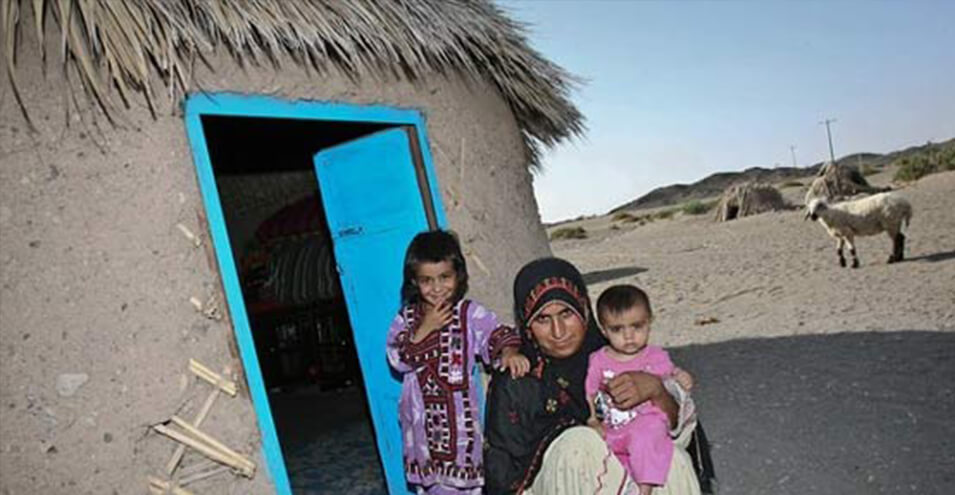
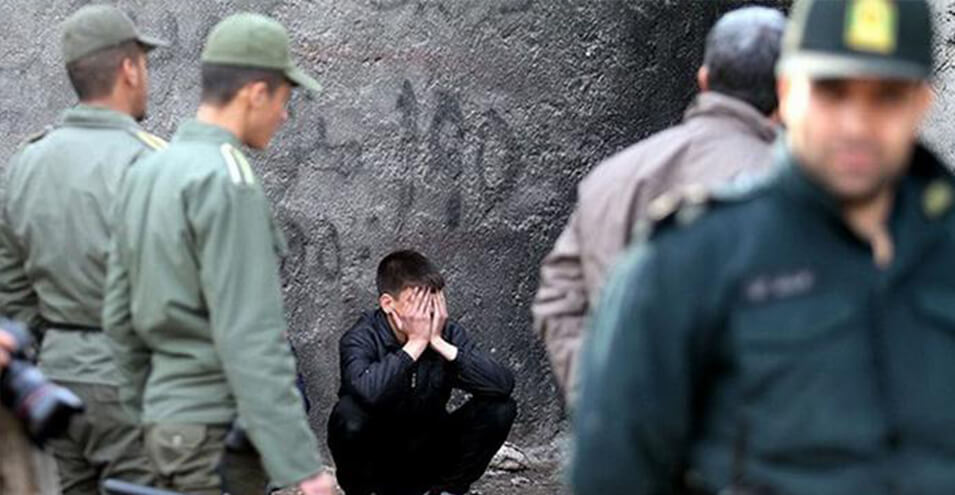
Continued Pressure on Underprivileged Students and Lack of Educational Facilities in Iran; Khuzestan Governor Confirms Suicide of 6 Students in Ramhormoz

Following the release of multiple reports on student suicides in Ramhormoz city and denials and confirmations by local authorities, the governor of Khuzestan province finally confirmed the suicide of 6 students in the city.
The governor of Khuzestan on Thursday, November 20, while confirming that following suicide attempts by 6 students in Ramhormoz, two of which resulted in death, announced a promise from officials and some institutions to provide tablets for students, which has not yet been implemented.
The issue of student suicides in Ramhormoz was raised after local media last Friday reported the suicide death of a 15-year-old girl in the city and quoted the director of the education office in the county as saying that one of the reasons for these students’ suicides was the lack of means to meet their needs.
The director of the education office in Ramhormoz, stating that the reason for one female student’s suicide was the family’s refusal to provide a mobile phone and the lack of ability to continue this teenager’s education, said that out of 27 thousand Ramhormoz students, at least 4 thousand people were deprived of owning a mobile phone to continue their education in the new academic year.
Classes in Iran are being held online due to the coronavirus pandemic, and students must have a tablet or smartphone to participate.
Following the release of this news, a letter from the governor of Ramhormoz was published in local media and social networks in which he called for censorship of suicide reports in the media.
The suicide of six students in Ramhormoz came to attention after in recent weeks news of the suicide of Mohammad Mousavi Zadeh, an 11-year-old student in Bushehr province and Parasto Jalili Azar, a 13-year-old student in West Azerbaijan province, due to the lack of means to obtain tablets and smartphones to continue their education, became headlines.
These suicide reports received widespread resonance on social networks and users once again reminded of the issue of inadequacy and inefficiency of Islamic Republic authorities in meeting the basic needs of Iranian citizens.
Some users reminded that Islamic Republic authorities do not even provide the most basic rights of people mentioned in the constitution, including “free education and training facilities for the entire nation until secondary school,” which is part of the government’s duties.
One user also compared the news of the Ramhormoz governor’s order to censor suicide reports with the three-day denial of the shooting down of the Ukrainian airplane, noting that the solution is always that for now there should be no news.
While the rate of suicide among children and adolescents in Iran has increased, some analysts of social issues believe that economic crisis and despair in society have a direct impact on the increase of suicide in Iran.
On the other hand, the poor economic situation has increased in recent months at a time when new dimensions of widespread financial corruption of individuals and institutions affiliated with the Islamic Republic regime are revealed every day. Economic corruption cases of individuals close to the government and unlimited financial support of this regime to terrorist groups such as Hezbollah and Hamas are among these corruptions.
The United States says the Islamic Republic spends its country’s wealth on supporting terrorist groups and destabilizing the Middle East instead of its people. The United States says the Islamic Republic spends its country’s wealth on supporting terrorist groups and destabilizing the Middle East instead of its people. The United States has repeatedly condemned institutionalized financial corruption and plundering of Iran’s natural resources by regime affiliates and considered them among the main factors of Iran’s economic and financial problems.
Mike Pompeo, US Secretary of State, recently said about this: “The people of Iran have spoken clearly and loudly. They rejected forty years of corruption and abuse and demanded an end to theft and an end to choosing the interests of foreign agents over the interests of the Iranian people.”
Source: Voice of America