Discovery of Cyrus the Achaemenid Gate at Tal Ajari Site
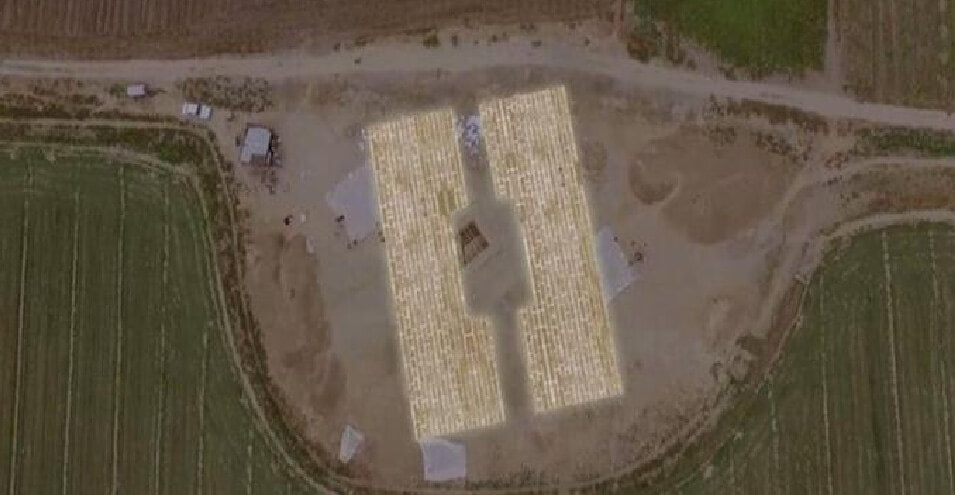
The Gate of Cyrus has been revealed at the Tal Ajari site near Persepolis. An Iranian-Italian archaeological team has conducted excavations in this area for 10 years. The structure is said to resemble the “Ishtar Gate” of Babylon.
A palatial gate made of brick and tile, whose entire interior and exterior facade was adorned with colored tiles, is among the discoveries of an Iranian-Italian archaeological team that, after ten years of excavation, has announced the results of their efforts to the public.
Iranian media, citing Alireza Askari Chaverdi, the Iranian supervisor of this archaeological project, reported that the lower section and foundation of the gate’s walls were decorated with lotus flowers, while the body and upper facade of the walls were adorned with various colored panels depicting mythical animals and religious symbols of ancient Iran during the Achaemenid period, Elam, and Mesopotamia.
According to a member of the scientific faculty of Shiraz University, in sections of this structure located at the Tal Ajari site, three kilometers northwest of the Persepolis complex, there were inscriptions in Babylonian and Elamite script and writing.
Askari Chaverdi elaborated on the characteristics of this Iranian cultural heritage: “This gate was a structure measuring 30 by 40 meters with an approximate height of 12 meters. The structure had a corridor in its center, with the central section (corridor) formed by a rectangular chamber measuring 8 by 12 meters, and within this chamber there were four throne seats. The central passage opened on both sides toward the Achaemenid palace.”
A Gate “in Celebration of the Conquest of Babylon”
The totality of written documents, materials used in the structure, decorative motifs, similarities to the “Ishtar Gate” of Babylon, and other discovered details have proven to the Iranian-Italian expert team that this gate “was built after 539 BCE and in celebration of the conquest of Babylon under the orders of Cyrus the Great.”
They have also concluded that Cambyses, the son of Cyrus, who ruled Babylon for eight years concurrently with his father’s reign, “due to his interest in the city of Babylon, long-standing familiarity with the Babylonians, and cultural ties to the ancient world, continued the construction of the great architectural complex of the city of Parsa in Babylonian architectural style, and during his period the gate of the palace of the city of Parsa in the turquoise section of this city was completed and put into use.”
The director of the Persepolis World Heritage Site also told reporters that the tenth season of excavation at the Tal Ajari site in the current year’s Azar month “commenced with the aim of organizing and preparing the site and presenting its valuable historical evidence to visitors and is still ongoing.”
Hamid Fadaei expressed hope that in the near future this site will be opened to visitors of the historic city of Parsa.
Source: DW