Continued Suppression of Religious Freedoms in Iran; Prison Sentences of Two Bahai Citizens in Birjand Moved to Execution Phase
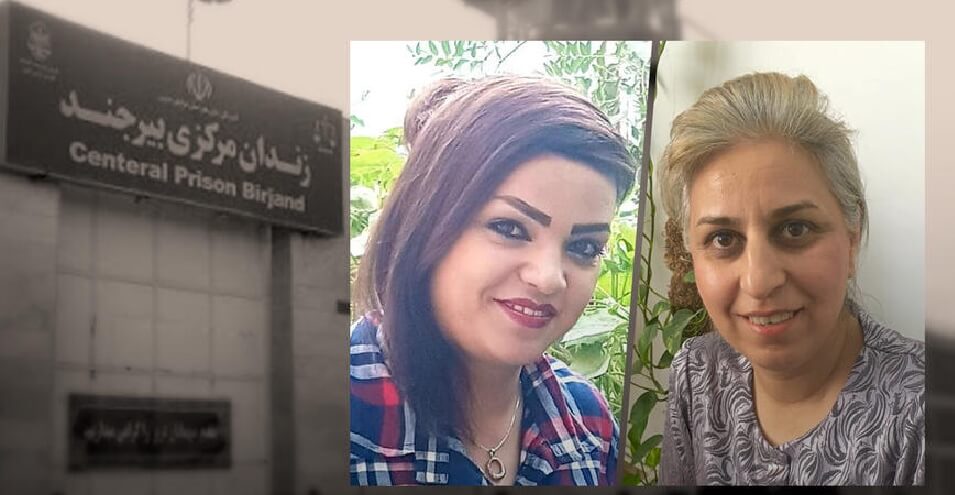
The prison sentences of two Bahai citizens residing in Birjand named Arzoo Mohammadi and Banafsheh Mokhtari, which were issued to them in early Mehr by Branch Two of the Execution of Sentences division, have entered the execution phase.
An informed source, who requested anonymity for security reasons, told Voice of America that Arzoo Mohammadi and Banafsheh Mokhtari, along with six other Bahai citizens, were summoned to Birjand Central Prison on the 7th of Mehr. They were told to report to the prison within 10 days. These two Bahai citizens also proceeded to prison on Monday, the 21st of Mehr, to serve a combined sentence of 33 months.
According to this informed source, the prison sentence was moved to the execution phase while Ms. Mokhtari suffers from cervical and lower back disc disease and had previously requested a postponement of her sentence through the submission of medical documents to the execution branch for treatment. However, judicial authorities in Birjand rejected her request.
Voice of America had previously reported that these two Bahai citizens, along with six other Bahai citizens, were sentenced on the 18th of Shahrivar by Branch Four of the Appeals Court of South Khorasan Province to dozens of months in prison and were summoned to Birjand Prison for sentence execution.
This informed source further told Voice of America that five other Bahai citizens named Ataollah Malaki, Saeed Malaki, Atiyeh Salehi, Roya Malaki, and Nasrin Qadiri have also requested a postponement in the execution of their prison sentences by sending letters to the execution of sentences authority due to the spread of coronavirus, and are currently awaiting a response to their request from judicial authorities in Birjand.
This informed source, referring to the fact that “there is no justice in the Islamic Republic and justice is not being served,” told Voice of America: “Arzoo Mohammadi and Banafsheh Mokhtari did not want to be left in limbo. They believed this was a path they had to take and it was better for their situation to be clarified as soon as possible by going to prison.”
Sam Brownback, United States Ambassador at Large for International Religious Freedom, said on the 25th of Ordibehesht in a special press conference in Washington: “Bahais in Iran, and unfortunately in some other countries around the world, are subjected to severe persecution and harassment.”
The United States Commission on International Religious Freedom also expressed concern in early Ordibehesht in its annual report regarding the state of religious and faith freedoms in Iran; part of this report states that the Islamic Republic has increasingly targeted Muslim minorities, particularly Sunnis and Dervishes, as well as followers of other religions and faiths, including Bahais and Christians.