Iran’s Ambassador to Iraq Sanctioned by the United States
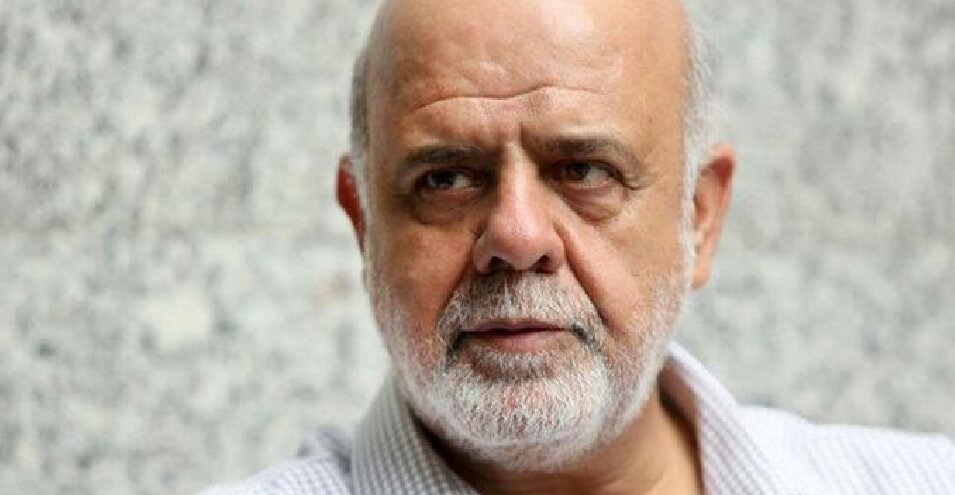
The United States has sanctioned Iran’s ambassador to Iraq for “membership in the Quds Force.” Simultaneously, the US placed five other Iranian institutions and two Hezbollah officials from Lebanon on its sanctions list. These sanctions were imposed as part of “counterterrorism” efforts.
The US Treasury Department announced that Iraj Masjedi, Iran’s ambassador to Iraq, has been placed on its sanctions list. In a statement released on Thursday, the first of Aban (October 22), Masjedi was accused of “directing or supporting anti-American activities” in Iraq.
According to the Office of Foreign Assets Control (OFAC) of the US Treasury Department, Iraj Masjedi is a “general of the Islamic Revolutionary Guard Corps” and has supported terrorist groups that “have caused casualties among American and coalition forces in Iraq.”
According to Steven Mnuchin, US Treasury Secretary, the Iranian government appoints members of the Quds Force (the extraterritorial branch of the Islamic Revolutionary Guard Corps) as ambassadors in regional countries as part of advancing its destabilizing programs, an action that has threatened Iraq’s security and sovereignty.
The US Treasury Secretary stated: The United States, using all of its tools and capabilities, is preventing the Iranian government’s efforts to interfere in the affairs of other independent countries, including influencing American elections.
The US Treasury Department also announced that it is sanctioning five Iranian institutions on charges of “brazen attempts” to interfere in the upcoming American elections. The statement mentioned the Islamic Revolutionary Guard Corps of the Islamic Republic of Iran, the Quds Force of the Revolutionary Guard, the “Bayan Media Expansion” company, the “Union of Islamic Radio and Television” and the “International Union of Virtual Media.”
Mike Pompeo, US Secretary of State, confirmed in a statement that the United States, in addition to Iraj Masjedi, Iran’s ambassador in Baghdad, has added two senior members of Lebanese Hezbollah named Nabil Qaouk and Hassan al-Baghdadi to its sanctions list.
According to Pompeo, Lebanese Hezbollah is a “terrorist group” that pursues the same policies as the Islamic Republic and “prioritizes its own interests or those of Tehran over the interests of the Lebanese people.”
Accusations of Interference Against Russia and Iran
John Ratcliffe, the US National Security Coordinator, and Christopher Wray, director of the FBI, had previously spoken in a press conference about “interference by Iran and Russia in the upcoming US presidential election.”
John Ratcliffe stated that Iran and Russia had obtained information on a number of voters, and their goal was to “influence public opinion and undermine public confidence in elections” in the United States.
Saeed Khatibzadeh, spokesman for Iran’s Foreign Ministry, rejected the statements of American officials regarding Iran’s interference in the US presidential election and said: “The Islamic Republic of Iran, while rejecting the repeated claims and fabricated, childish and fraudulent reports of the officials of the American regime, once again emphasizes that it makes no difference to Tehran which of the two current candidates enters the White House.”
Alidreza Miryousefi, Press Deputy of Iran’s Mission to the United Nations, wrote in a tweet: “Unlike the United States, Iran does not interfere in the elections of other countries. The world has witnessed the United States’ open, desperate attempts at the highest level to question the results of its own elections.”
On Thursday, in response to statements by US security officials about the Islamic Republic’s interference in that country’s presidential election, Iran summoned the Swiss ambassador, who represents US interests in Tehran.