Iran’s Economic Crisis Deepens; Family Tables Shrink and Millions Lose Jobs in Recent Months
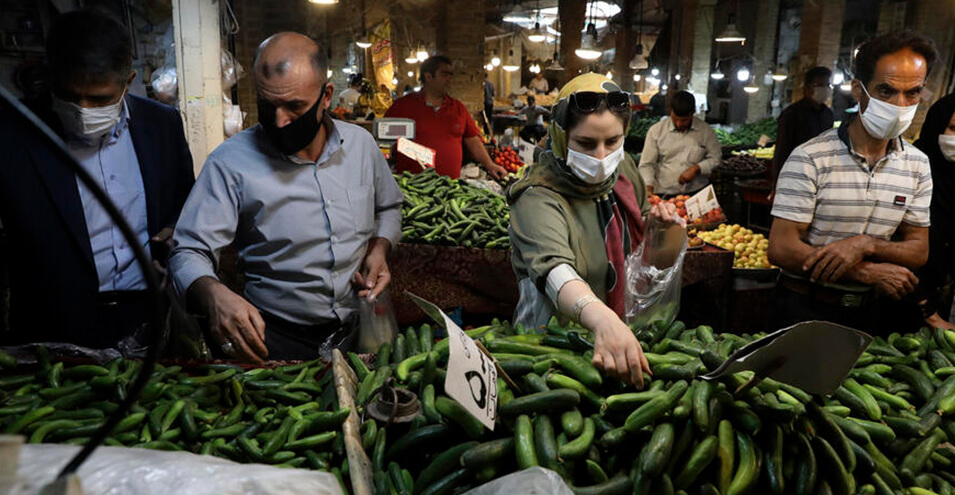
Results of several studies show that Iran’s economic crisis and people’s livelihood problems, which began years ago, have deepened with the spread of the coronavirus pandemic.
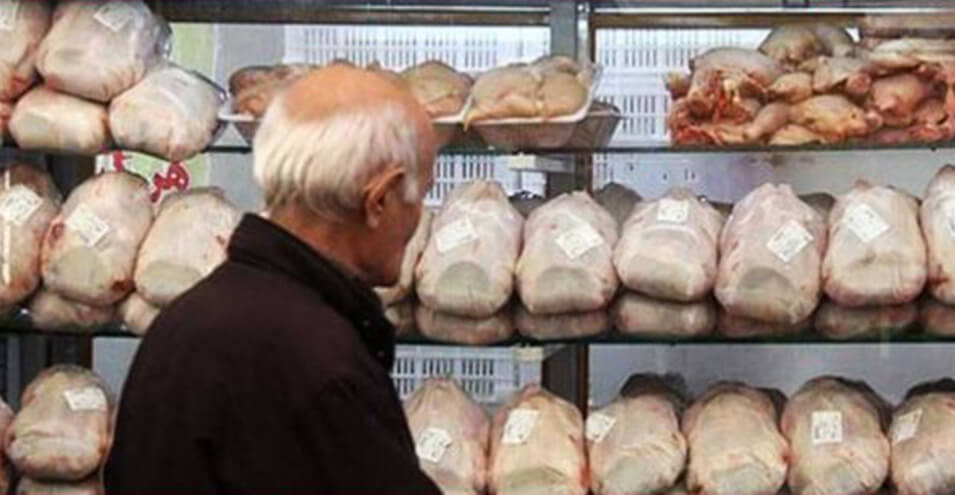
Amid continued inflation increases, rising prices, and crisis in production and service units, the head of Iran’s Statistical Center announced on Sunday August 17 that in the year 2019, one year after the wave of price hikes and inflation, Iranian families’ tables shrunk by more than 5 percent.
This report also shows that the inflation rate over two years rose from below 10 percent in 2017 to around 35 percent by the end of 2019.
The report presented by the head of Iran’s Statistical Center was compiled based on price increases in 2019, while in recent months, with the sudden surge in foreign exchange rates in Iran, another leap in inflation occurred, and as a result, Iranian citizens’ tables have shrunk further.
On the other hand, the head of the Higher Institute for Social Security Research, referring to the impact of the coronavirus pandemic on rising unemployment, announced that based on a report by the parliamentary research center, more than 6 million people have lost their jobs due to the coronavirus pandemic.
This is while unemployment statistics in Iran before the coronavirus outbreak were also high, and in recent years have not fallen below about 10 percent. Now the continuation of the coronavirus pandemic has intensified unemployment in the country.
The shrinking of Iranian families’ tables following the economic crisis has occurred while among employees and workers, dissatisfaction with delayed wages and low wages has repeatedly led to strikes and protest gatherings by workers in various production units in different regions of Iran.
Retirees and pension recipients have also repeatedly protested the low levels of their wages.
Following the coronavirus pandemic in Iran, officials’ cover-up in initial announcements, mismanagement, and their failure to close gathering centers, particularly religious centers in Qom and Mashhad, greatly accelerated the spread of the virus and resulted in Iran having the worst situation in terms of infections and mortality rates in the region. As a result, the economic damage caused by business closures has been severe in Iran.
Despite all these problems, Islamic Republic officials continue to allocate part of the country’s revenue to aid the Syrian government, Yemeni insurgents, and Hezbollah in Lebanon.
Iran’s First Vice President on June 20 in a telephone conversation with Syria’s Prime Minister told him that the Islamic Republic would spare no effort to reduce pressure on the Syrian people.
The United States says the Islamic Republic diverts its country’s wealth away from its people to support terrorist groups and destabilize the Middle East.
The United States has also repeatedly condemned institutionalized financial corruption and the plundering of Iran’s natural resources by associates of the ruling regime in this country, and has considered them among the main factors in Iran’s economic and financial problems. Recently, for instance, Mike Pompeo, the U.S. Secretary of State, tweeted about Islamic Republic officials saying they were engaged in corruption instead of helping people.
Source: Voice of America